
Chinese Cupping Massage: Benefits, Process, and What to Expect
November 25, 2026 · Jason Tarter, R.TCMP, R.Ac
In short
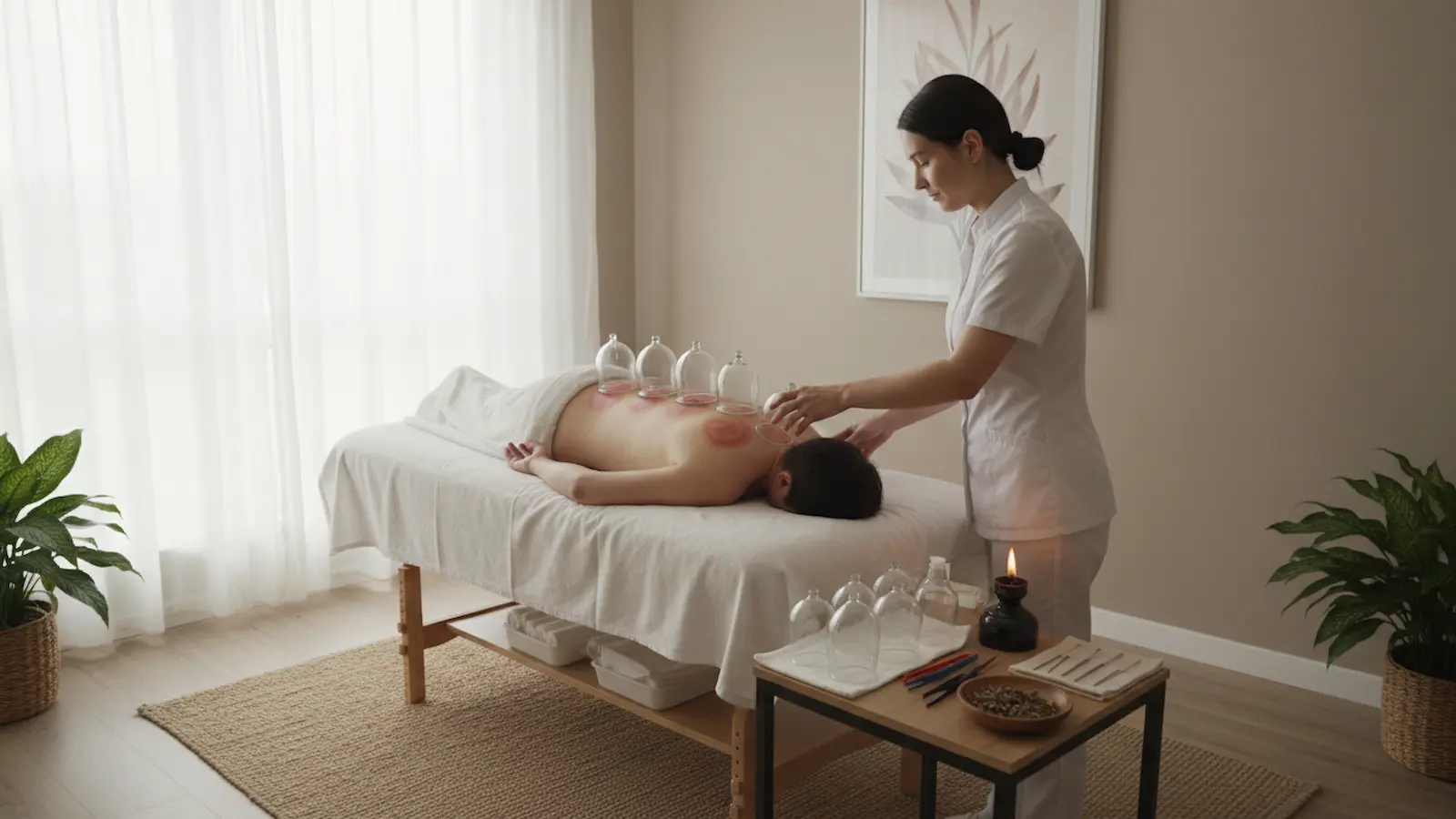
Chinese cupping massage combines traditional cupping with gliding, massage-like strokes, using suction cups moved across oiled skin rather than left in one spot. It is used in Traditional Chinese Medicine to move stagnant Qi and Blood, loosen tight muscles, and ease chronic pain. A licensed practitioner selects the cup placement and technique based on your individual pattern, not a fixed routine.
Many people searching for relief from stiff shoulders, low back pain, or tension headaches come across chinese cupping massage and wonder how it differs from the cupping they have seen on social media or in sports coverage. The short version is that this technique borrows from two traditions at once: the suction of classic cupping and the flowing hand strokes of Tuina massage. Understanding how the two combine, and what a visit actually involves, makes it easier to decide whether this treatment fits your own health goals.
In this article
What Is Chinese Cupping Massage?
Chinese cupping massage uses glass or silicone cups to create suction on the skin, then slides those cups across muscle groups instead of leaving them stationary. The suction lifts the skin and superficial tissue, which Traditional Chinese Medicine views as a way to draw out Qi and Blood stagnation, the pattern often linked to tight, sore, or restricted muscles. For a deeper look at the mechanics of suction-based treatment, see Cupping Therapy Massage: What It Is and How It Works.
How It Differs From Standard Cupping
Standard cupping typically places cups on specific points and leaves them in place for several minutes, which is why it sometimes leaves round marks. Chinese cupping massage, by contrast, uses massage oil so the cups glide smoothly over larger areas such as the back, shoulders, or thighs. This gliding action lets a practitioner treat a broader region in a single visit and is often chosen when muscle tightness spans more than one small area.
How the Treatment Works
What Happens During a Visit
Every course of treatment should begin with a proper diagnosis, not a generic routine. I ask a lot of questions about your pain and your health in general, then look at your tongue and take your pulse. This is how Traditional Chinese Medicine works out why you are experiencing your symptoms, not just what they are. From there, I choose where to apply the cups and how much suction to use. If you want a step-by-step walkthrough of a typical session, I cover it in The Chinese Cupping Method: What to Expect From Treatment.
Benefits of Chinese Cupping Massage
Book a time
Pick a time that suits you.
Book a time- Phone: (647) 346-2780
- Email: jasontcm@traditionalhealingcentre.com
- Address: 213 Queensway S. Unit 400, Keswick, Ontario, L4P2A7
Related articles
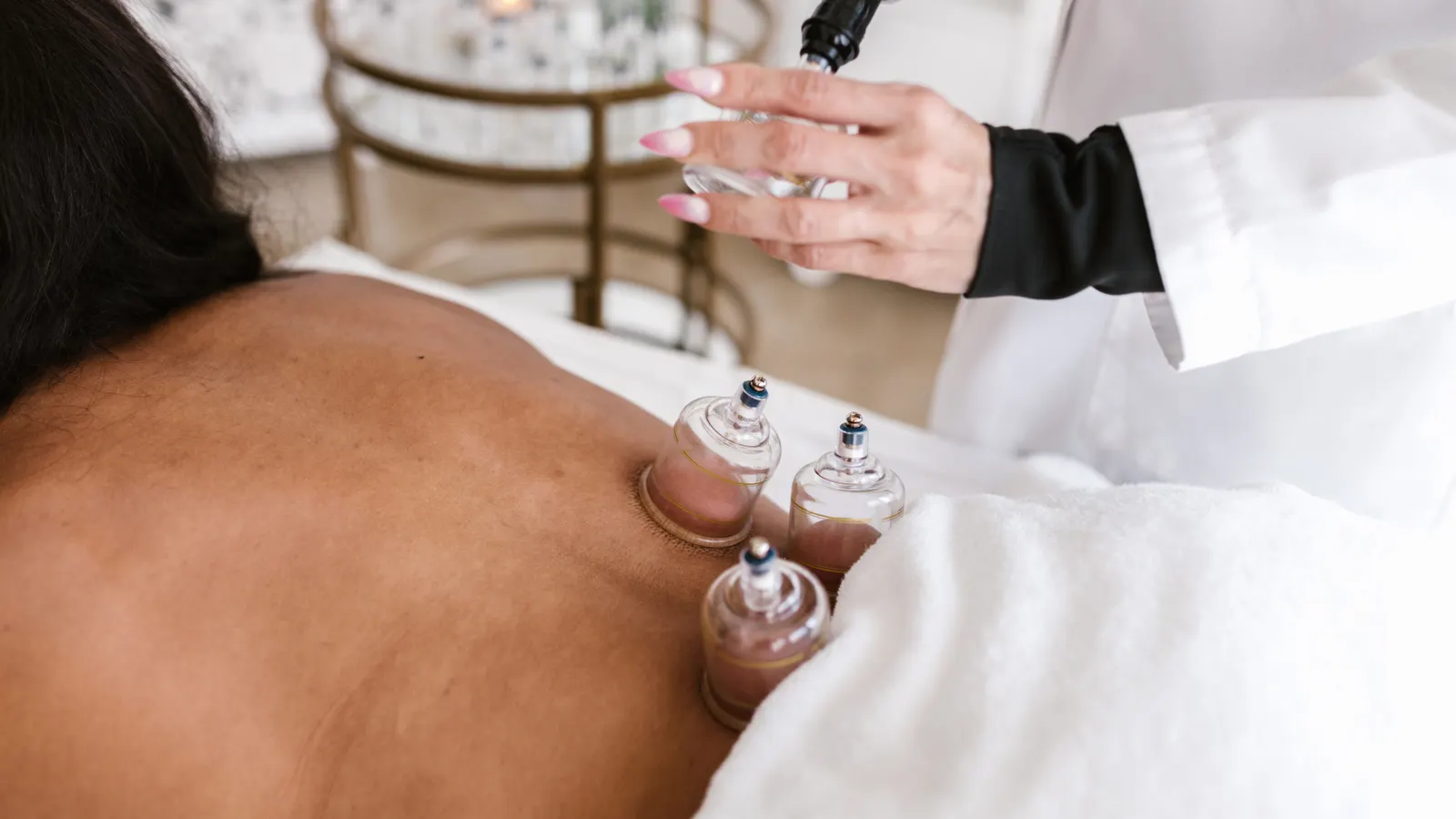
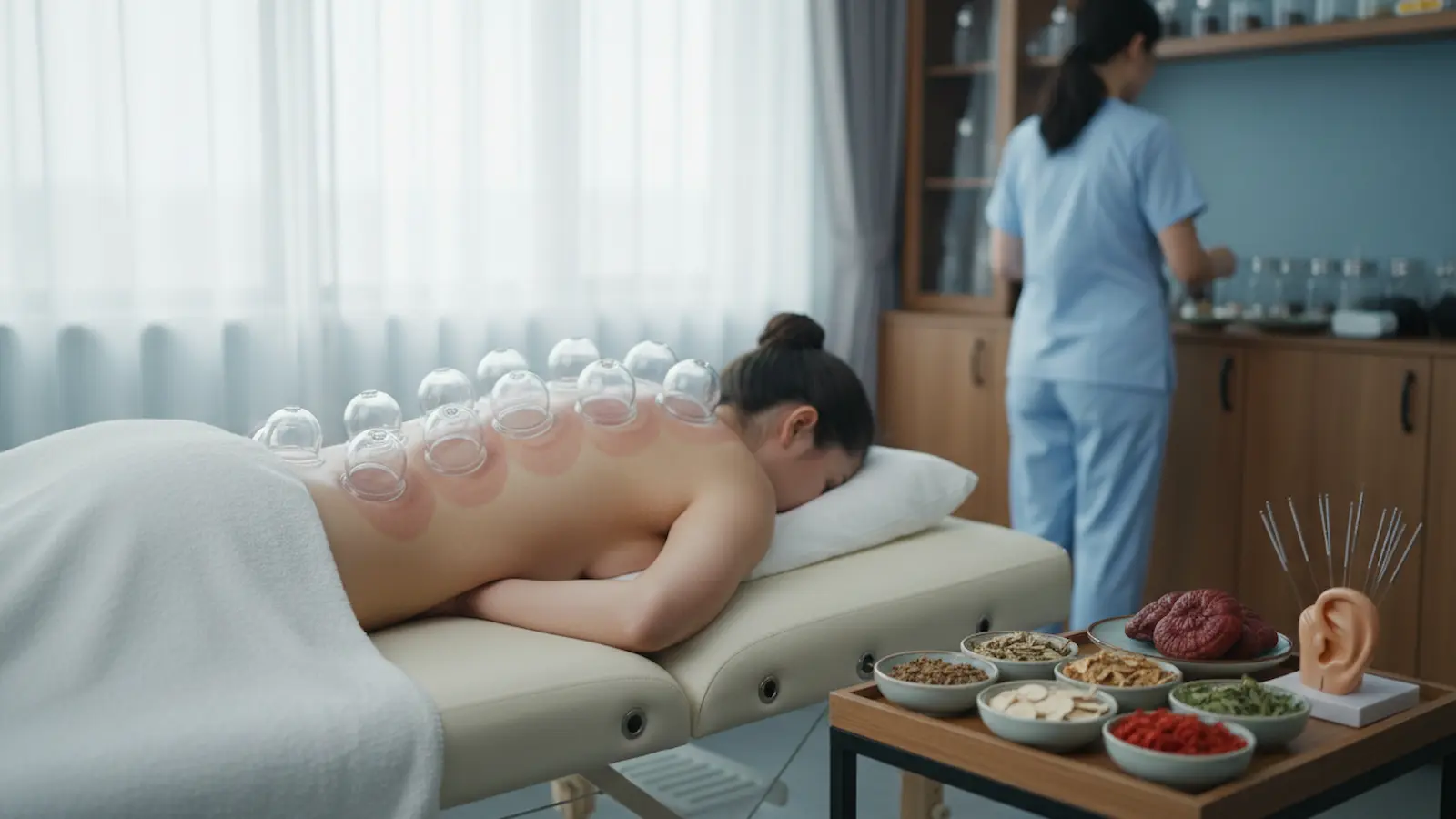
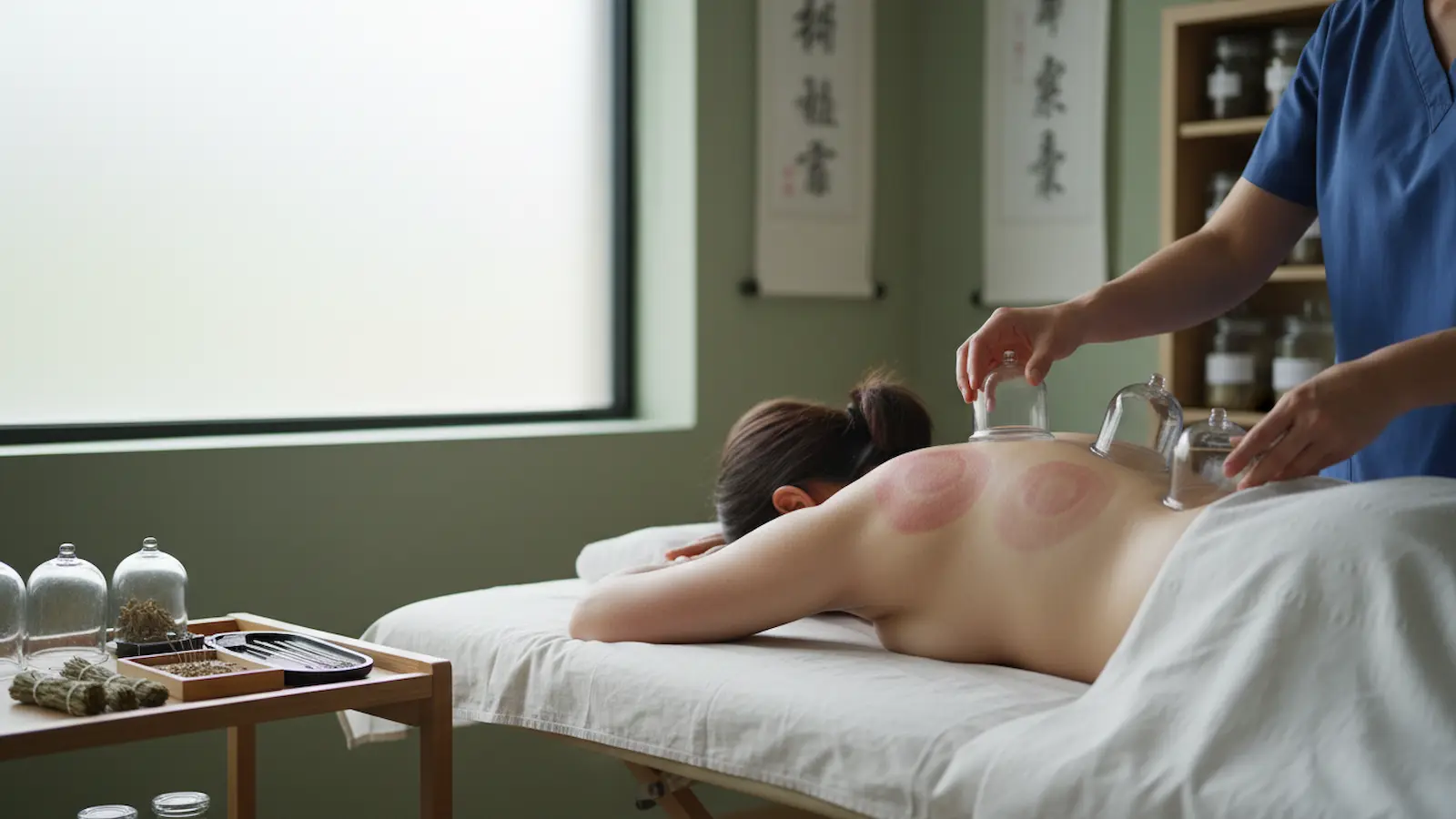
The main goal of this technique is to encourage smoother movement of Qi and Blood through the muscles and connective tissue, which can translate into reduced stiffness and improved range of motion. Because the cups move across the skin, many patients find it also has a relaxing, massage-like effect alongside the therapeutic one.
Conditions It May Help
Patients often seek out chinese cupping massage for chronic back pain, sciatica, knee pain, and tension headaches. It is also sometimes used alongside acupuncture for patients dealing with digestive, sleep, stress, or menstrual concerns, where Qi and Blood stagnation is part of the underlying pattern. For a broader view of how massage-based techniques fit into a pain management plan, read Pain Relief Massage: A Traditional Chinese Medicine Guide.
What to Expect After a Session
It is common to notice some redness or mild marking where the cups were applied, along with a feeling of looseness in the treated muscles. These effects typically fade within days. Because Traditional Chinese Medicine treats the whole pattern rather than a single symptom, one visit rarely tells the full story. I generally recommend planning on 5–10 treatments before judging how well a course of treatment is working for you.
Finding the Right Practitioner
Why Treatment Plans Should Start With a Diagnosis
Not every clinic offering cupping builds the treatment around your individual diagnosis. At Traditional Healing Centre in Keswick, Ontario, every treatment plan starts from your own Traditional Chinese Medicine diagnosis, never an off-the-shelf protocol. I'm Jason Tarter, R.TCMP, R.Ac, registered with the College of Traditional Chinese Medicine Practitioners and Acupuncturists of Ontario, and I've been treating patients since 2008. Alongside Chinese cupping massage, I offer acupuncture, custom herbal formulas filled through my own dispensary, moxibustion, Tuina massage, and cosmetic acupuncture using the Meizen facial protocol. Many extended health plans cover acupuncture and Chinese medicine services, and I issue receipts as a Registered Acupuncturist and Registered Traditional Chinese Medicine Practitioner for your insurance claims.
Ready to book, or have a question?
Book with Traditional Healing CentreIn this series
- Fire Cupping: What It Is, Does It Hurt, and the Marks It Leaves
- How Often Should You Get Cupping?
- Cupping for Neck Pain
- Chinese Cupping Therapy at Home: What to Know First
- Cupping Therapy: How It Works and Who It Helps
- Cupping Side Effects, Bruises and Dangers: What's Normal
- Understanding the Cupping Procedure: What to Expect
- Facial Cupping Therapy: What It Is and How It Works
- Flame Cupping: How It Works and What to Expect
- Cupping Therapy Chinese Medicine: What to Expect
- Back Pain Cupping Therapy: What to Expect and How It Helps
- Cupping Placement Chart: What It Shows and Why It Varies
- Massage Cupping Therapy Near Me: What to Expect
- Chinese Cupping Near Me: What to Know Before You Book
- How Often Should You Do Cupping? A Practical Guide
- Cupping Therapy for Legs: Benefits and What to Expect
- Wet Cupping Benefits: What the Research Really Shows
- Chinese Cupping Benefits: What This Therapy Can Do for You
- Where to Place Cups for Cupping: A Regional Guide
- Cupping Therapy Video: What You'll See Before a Visit
- Benefits of Ventosa Massage Cupping Therapy for Pain and Tension
- Chinese Cupping Weight Loss: What Traditional Chinese Medicine Says
- Fire Cupping Back Treatment: What to Expect and Why It Helps
- Chinese Cupping Massage: Benefits, Process, and What to Expect