
Fire Cupping vs Dry Cupping: What's the Real Difference?
November 25, 2026 · Jason Tarter, R.TCMP, R.Ac
In short
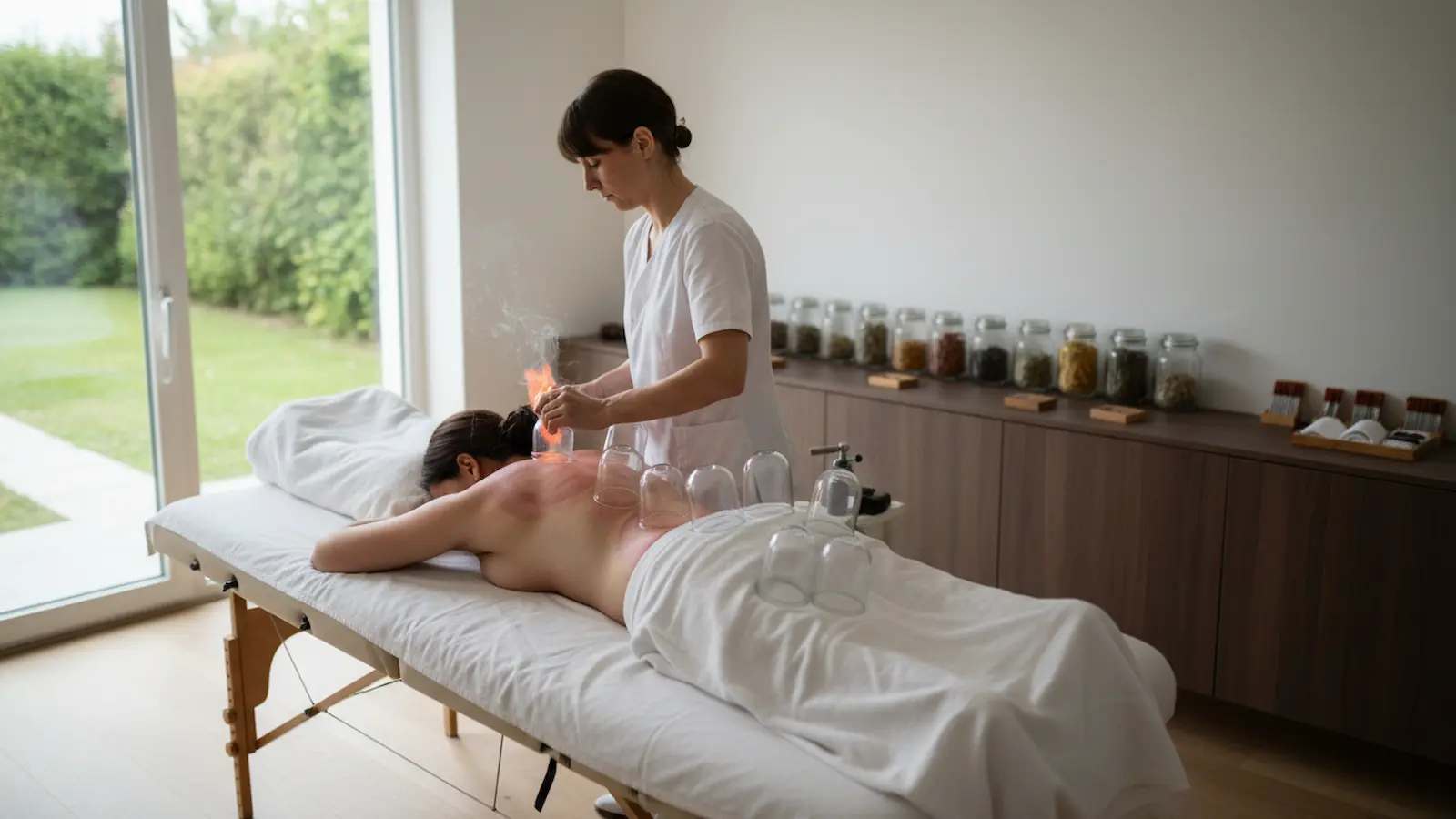
Fire cupping vs dry cupping comes down to how the vacuum inside the cup is created. Fire cupping uses a brief flame to heat the air inside a glass cup before it's placed on the skin, while dry cupping relies on a mechanical hand pump attached to the cup. Both draw the skin and underlying tissue upward to encourage movement of Qi and Blood, but the heat, sensation, and control over suction strength differ between the two.
Anyone researching cupping therapy for the first time usually runs into this question before deciding whether to try it. The two methods look similar once the cups are in place, but the equipment, the sensation during the visit, and the way a practitioner controls pressure are not identical. Understanding those details can help you feel more prepared before your first course of treatment.
In this article
What Is Cupping Therapy?
Cupping is a technique within Traditional Chinese Medicine that uses suction to lift the skin and superficial muscle layer away from the tissue beneath it. The goal is to encourage the movement of Qi and Blood in areas where stagnation has built up, often alongside tightness, tension, or dull, lingering discomfort.
A Brief History
Cupping has been practiced for centuries as part of Traditional Chinese Medicine, traditionally using fire to create suction inside glass or bamboo cups. Modern clinics now offer both the traditional fire method and newer mechanical alternatives, which is where the fire cupping vs dry cupping comparison comes from.
Fire Cupping Explained
How the Suction Is Created
In fire cupping, a practitioner briefly passes a flame inside a glass cup to heat the air, then quickly places the cup against the skin. As the air inside cools, it contracts, pulling the skin and tissue upward into the cup. The flame never touches the skin itself; it only heats the air before the cup is applied.
What to Expect During a Session
Book a time
Pick a time that suits you.
Book a time- Phone: (647) 346-2780
- Email: jasontcm@traditionalhealingcentre.com
- Address: 213 Queensway S. Unit 400, Keswick, Ontario, L4P2A7
Related articles
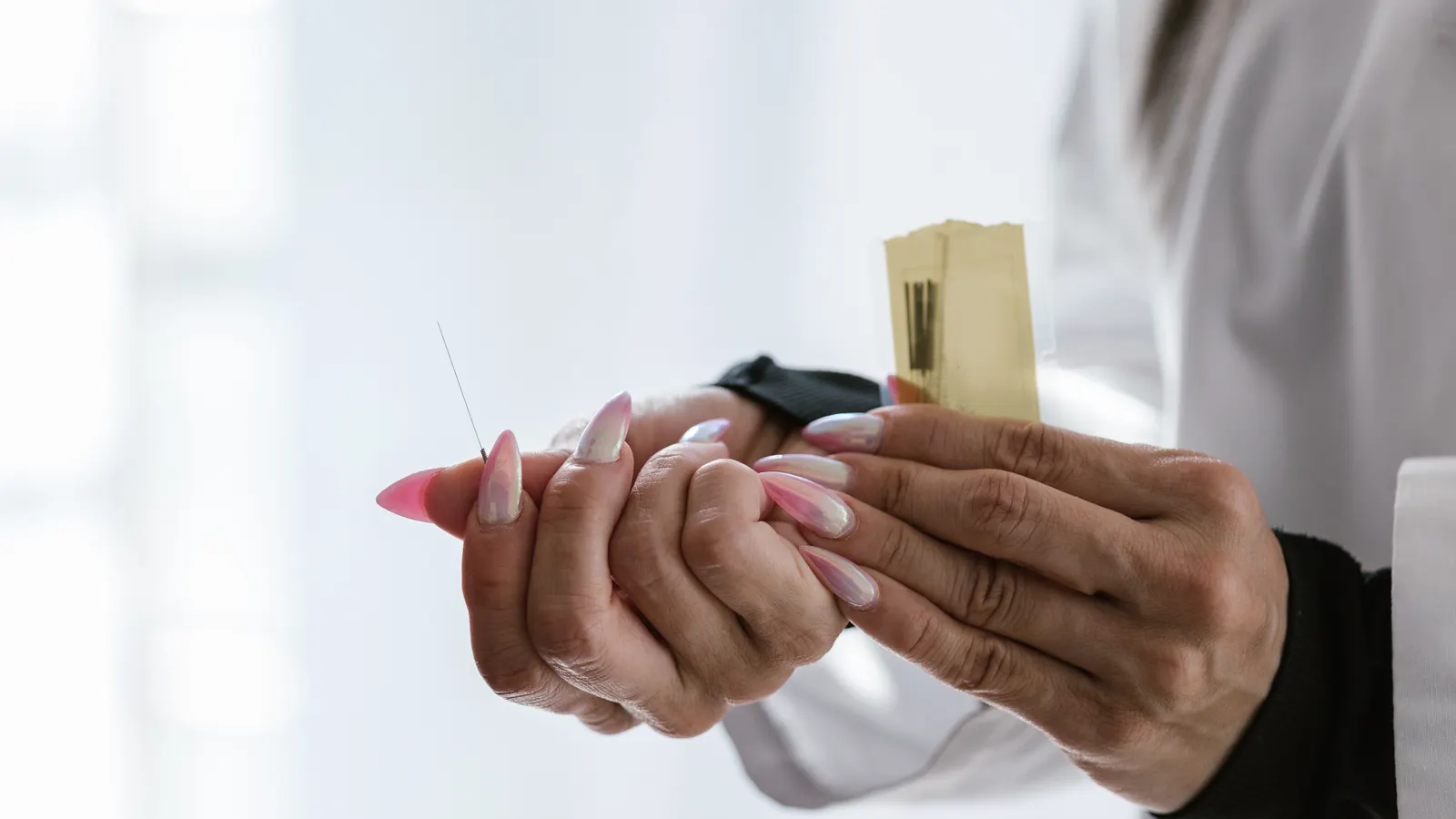
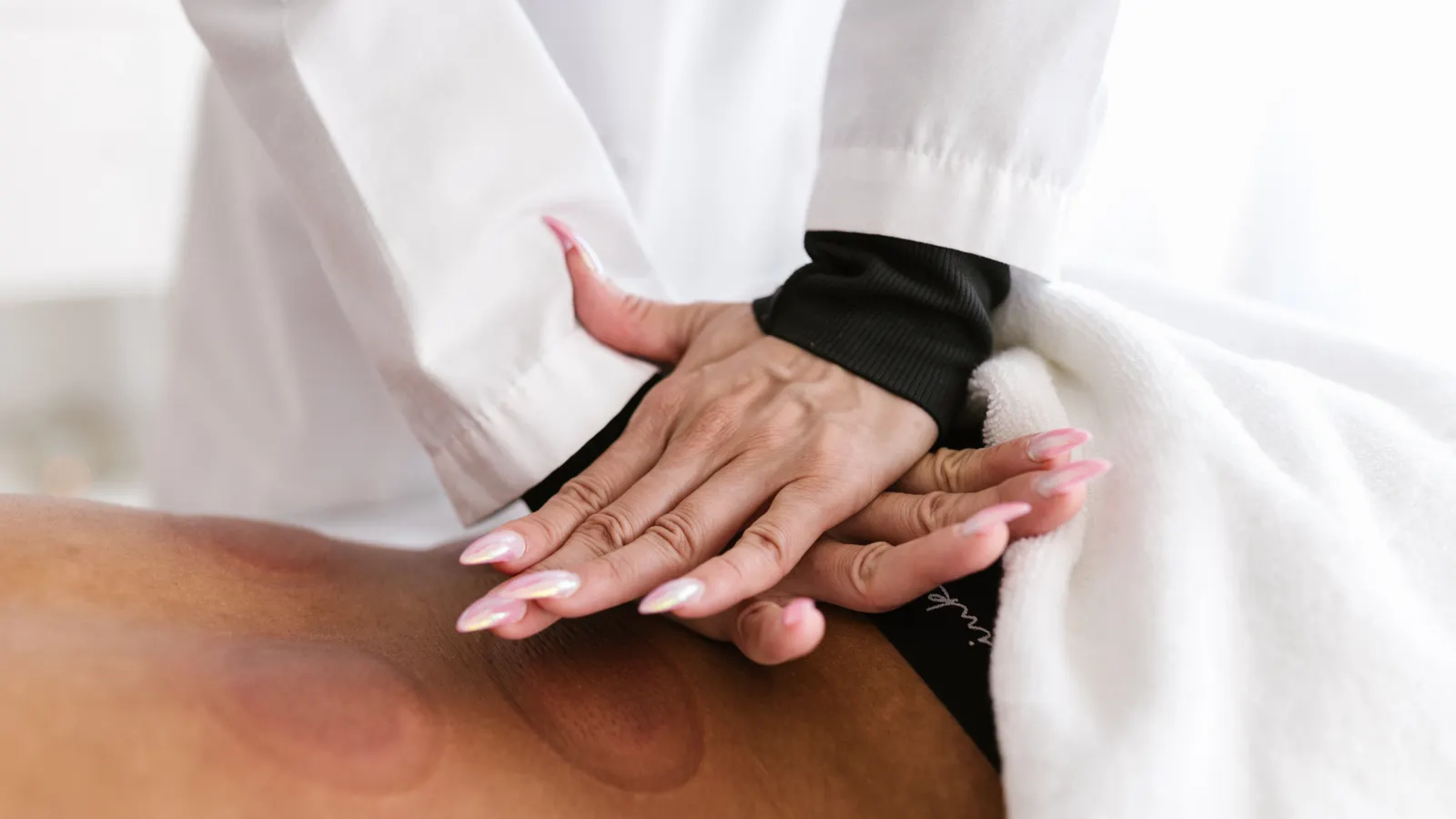

Patients often describe a warm, pulling sensation as the cup draws the skin upward. The cups may be left stationary over a tight area or glided slowly across the skin using an oil, depending on the pattern being addressed. For a closer look at the sensation, the marks it can leave, and how long they typically last, see Fire Cupping: What It Is, Does It Hurt, and the Marks It Leaves.
Dry Cupping Explained
Mechanical Pump Cups
Dry cupping skips the flame entirely. Instead, a small hand pump attached to a plastic or silicone cup removes air from inside it, creating suction without any heat. This gives the practitioner a dial-in approach to how strong the pull feels.
What to Expect During a Session
Because there's no heat involved, dry cupping tends to feel cooler and more immediately adjustable. A practitioner can release a small amount of suction right away if a cup feels too tight, which some patients find reassuring, especially during a first visit.
Fire Cupping vs Dry Cupping: Key Differences
Heat and Sensation
Fire cupping carries a brief sense of warmth as the cup is applied, while dry cupping feels neutral in temperature from the start. Neither method should cause pain once the cup is seated correctly.
Suction Strength and Control
Dry cupping's pump allows for finer, more gradual adjustments to suction strength throughout a visit. Fire cupping's suction is set at the moment the cup is placed, though a skilled practitioner can still vary cup size and placement to manage the strength of the pull.
Marks and Recovery Time
Both methods can leave temporary, circular marks where the cups were applied, ranging from light pink to a deeper purple depending on the amount of stagnation in that area. These marks typically fade within a few days to about a week. Cupping around the neck and shoulders is a common request; Cupping for Neck Pain walks through what that specific treatment looks like.
Which Method Might Suit You
Common Reasons People Try Cupping
People often turn to cupping alongside acupuncture for chronic back pain, shoulder and neck tension, sciatica, or general stiffness tied to Qi and Blood stagnation. Cupping is sometimes discussed alongside other needle-based therapies, and readers comparing modalities may also find Dry Needling vs Acupuncture: What's the Difference? useful background.
How Traditional Healing Centre Approaches Cupping
At Traditional Healing Centre in Keswick, Ontario, I offer Chinese Cupping as one part of a broader treatment plan that always starts from your own Traditional Chinese Medicine diagnosis, never an off-the-shelf protocol. I'm Jason Tarter, R.TCMP, R.Ac, registered with the College of Traditional Chinese Medicine Practitioners and Acupuncturists of Ontario, and I've been treating patients for 18 years. Cupping is often paired with acupuncture and, where appropriate, a custom herbal formula filled through my own dispensary. Most patterns take five to ten treatments before real progress becomes clear, and I issue receipts as a Registered Acupuncturist and Registered Traditional Chinese Medicine Practitioner, which many extended health plans accept for acupuncture and Chinese medicine services, though not through OHIP. If you'd like to ask questions before your first visit, you can get in touch directly.
Final Thoughts
Neither fire cupping nor dry cupping is inherently superior; the right choice depends on your comfort with heat, how much control over suction strength matters to you, and what your practitioner recommends based on your pattern. If you're ready to find out which approach fits your needs, book an appointment and we'll start with a full diagnosis before choosing a course of treatment.
Ready to book, or have a question?
Book with Traditional Healing CentreIn this series
- Fire Cupping: What It Is, Does It Hurt, and the Marks It Leaves
- How Often Should You Get Cupping?
- Cupping for Neck Pain
- Chinese Cupping Therapy at Home: What to Know First
- Cupping Therapy: How It Works and Who It Helps
- Cupping Side Effects, Bruises and Dangers: What's Normal
- Understanding the Cupping Procedure: What to Expect
- Facial Cupping Therapy: What It Is and How It Works
- Flame Cupping: How It Works and What to Expect
- Cupping Therapy Chinese Medicine: What to Expect
- Back Pain Cupping Therapy: What to Expect and How It Helps
- Cupping Placement Chart: What It Shows and Why It Varies
- Massage Cupping Therapy Near Me: What to Expect
- Chinese Cupping Near Me: What to Know Before You Book
- How Often Should You Do Cupping? A Practical Guide
- Cupping Therapy for Legs: Benefits and What to Expect
- Wet Cupping Benefits: What the Research Really Shows
- Chinese Cupping Benefits: What This Therapy Can Do for You
- Chinese Cupping Massage: Benefits, Process, and What to Expect
- Where to Place Cups for Cupping: A Regional Guide
- Is It Safe to Do Cupping on Neck Muscles?
- Cupping Therapy Video: What You'll See Before a Visit
- Benefits of Ventosa Massage Cupping Therapy for Pain and Tension
- Chinese Cupping Weight Loss: What Traditional Chinese Medicine Says
- Fire Cupping Back Treatment: What to Expect and Why It Helps
- Fire Cupping vs Dry Cupping: What's the Real Difference?