
Can Chinese Herbs Be Harmful? What to Know Before You Start
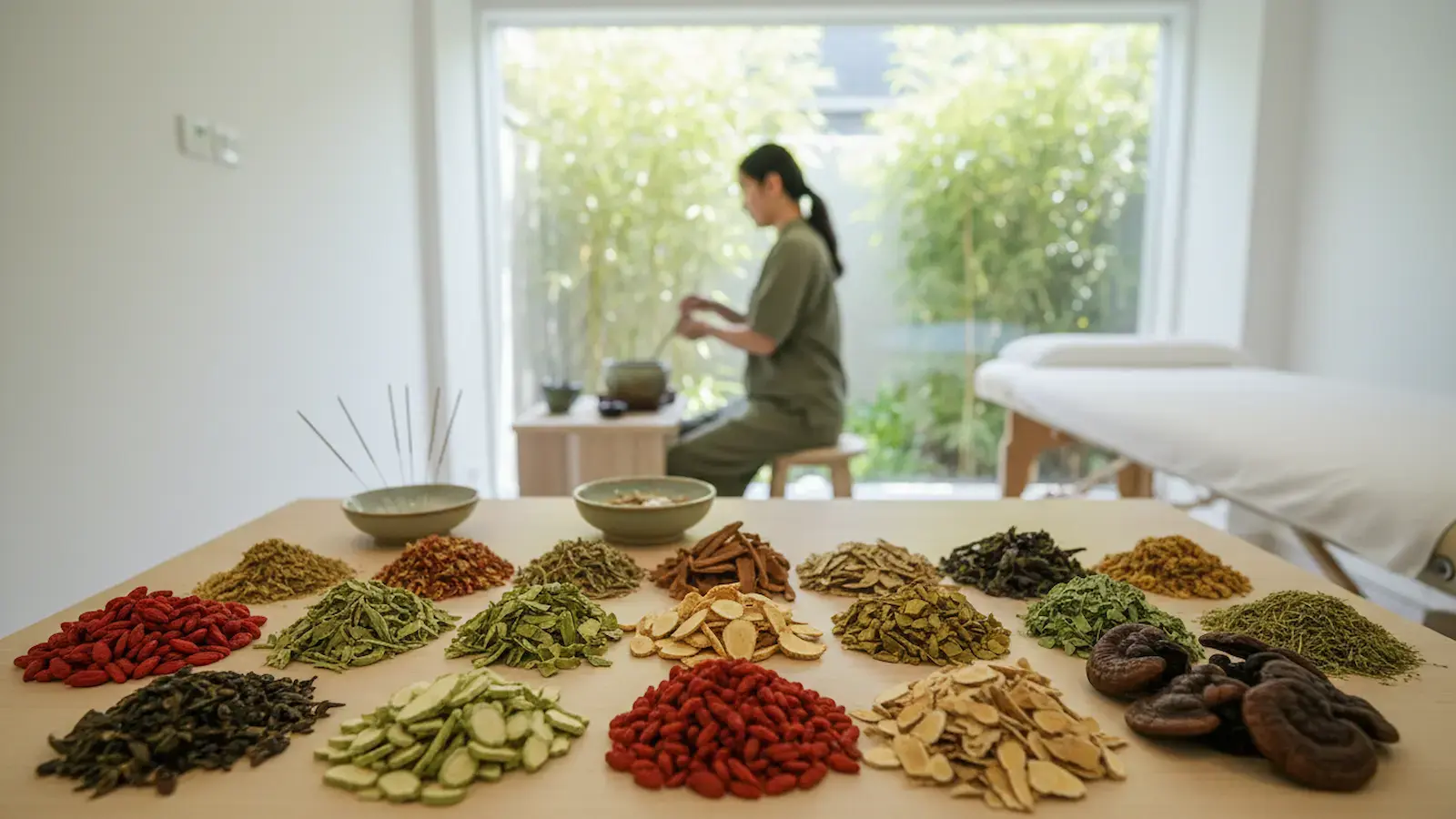
Quick answer: Chinese herbs can be harmful when they are poorly sourced, mixed with the wrong medications, or taken without a proper diagnosis to guide the formula and dose. When they are prescribed by a registered practitioner from a dispensary that controls quality, the risk drops considerably. The herbs themselves are not inherently dangerous; it is how they are selected and used that matters.
Can Chinese herbs be harmful? It is a fair question, especially if you are considering herbal medicine for the first time or have read conflicting information online. Chinese herbal medicine has a long history of use for chronic pain, digestive complaints, sleep and stress concerns, and menstrual or fertility issues, but like any medicine, it is not automatically risk-free. Understanding where the real risks come from can help you make an informed decision.
In this article
- Why Chinese Herbs Can Cause Problems
- Who Should Be Extra Cautious
- How a Proper Diagnosis Reduces Risk
- Signs You Should Stop and Seek Advice
- The Bottom Line
- In this series
Why Chinese Herbs Can Cause Problems
Most of the harm associated with Chinese herbal medicine does not come from the plants themselves but from how they are sourced, combined, and prescribed.
Herb Quality and Sourcing
Herbs purchased from unregulated suppliers can be contaminated with heavy metals, pesticides, or substituted with the wrong plant species entirely. This is one of the most consistent safety concerns raised in the research on herbal medicine, and it is largely preventable when herbs are purchased through a controlled, reputable dispensary rather than an unverified online source.
Interactions With Medications
Some Chinese herbs can interact with prescription medications, including blood thinners and certain heart or diabetes medications. This is why it is important to tell your practitioner about every medication and supplement you take, so the formula can be adjusted or avoided where there is a known interaction.
Incorrect Dosing or Self-Prescribing
Formulas are traditionally built around a specific pattern of symptoms, not a single diagnosis label. Taking a formula that was designed for someone else’s pattern, or taking too high a dose for too long, is one of the more common ways herbal treatment goes wrong. Chinese herbal medicine is not meant to be approached as a one-size-fits-all remedy.
Who Should Be Extra Cautious
Pregnancy and Fertility Treatment
Pregnant patients and those undergoing fertility treatment should only use Chinese herbs under the guidance of a qualified practitioner, since certain herbs are contraindicated in pregnancy. If fertility is part of your reason for considering herbal medicine, it’s worth reading more about how Chinese herbs may support fertility and what the evidence actually supports.
Pre-Existing Liver or Kidney Conditions
Because herbs are processed by the liver and kidneys, patients with existing liver or kidney conditions need formulas selected and monitored with extra care. The same caution applies to digestive organs such as the gallbladder; if you’re managing a gallbladder concern, this overview of Chinese herbs for gallbladder support explains what to discuss with your practitioner first.
How a Proper Diagnosis Reduces Risk
Starting From Your Own Pattern
A full Traditional Chinese Medicine diagnosis involves a lot of questions about your pain and your health in general, then a look at your tongue and a reading of your pulse. This is how a practitioner works out why you are having your symptoms, not just what they are, and it is the foundation that keeps a formula appropriate to your pattern rather than a generic blend.
Working With a Registered Practitioner
At Traditional Healing Centre in Keswick, Ontario, every treatment plan starts from your own Traditional Chinese Medicine diagnosis, never an off-the-shelf protocol. Jason Tarter, R.TCMP, R.Ac, has been in practice for 18 years and combines acupuncture with custom herbal formulas written for the individual patient. Jason also runs the herbal dispensary that fills the formulas he prescribes, which means the herbs you receive are tied directly to the diagnosis behind them. He is registered with the College of Traditional Chinese Medicine Practitioners and Acupuncturists of Ontario (CTCMPAO), and receipts are issued by a Registered Acupuncturist (R.Ac) and Registered Traditional Chinese Medicine Practitioner (R.TCMP), which many extended health plans accept for reimbursement, though OHIP does not cover these services. For a closer look at the safety questions patients ask most, see Are Chinese Herbs Safe to Take?
Signs You Should Stop and Seek Advice
If you notice nausea, unusual fatigue, digestive upset, skin reactions, or any symptom that feels out of the ordinary after starting a formula, stop taking it and contact your practitioner. Most courses of treatment are planned over 5 to 10 visits so progress and tolerance can be tracked along the way, which makes it easier to catch and adjust for any reaction early.
The Bottom Line
Chinese herbs can be harmful when quality is uncertain, when they are combined carelessly with medications, or when they are taken without a diagnosis to guide the formula. They are considerably safer when prescribed individually, sourced through a controlled dispensary, and monitored by a registered practitioner who adjusts the formula as your pattern changes.
If you have questions about whether Chinese herbal medicine is appropriate for your health concern, get in touch or book an appointment with Traditional Healing Centre to start with a proper diagnosis before any formula is written.
In this series
- A Chinese Herb Guide: Understanding Traditional Formulas
- Are Chinese Herbs Safe to Take?
- Chinese Herbs to Lose Weight: What Actually Helps
- Common Chinese Herbs and What They’re Used For
- Choosing a Traditional Chinese Medicine / Herbs Book
- Warming and Cooling Herbs in Chinese Medicine
- Blood-Building Herbs in Chinese Medicine
- Traditional Chinese Herbs: What They Treat and How They Work
- Chinese Herbs for Spleen: Support for Digestion and Energy
- Organic Chinese Herbs Canada: What to Know Before You Buy
- Chinese Fertility Herbs: How Traditional Medicine Approaches Them
- Anxiety Chinese Herbs: Traditional Formulas That Support Calm
- Chinese Herbs for UTI: What Traditional Chinese Medicine Offers
- Can Chinese Herbs Increase Fertility? What to Know
- Chinese Herbs for Liver Cleanse: A TCM Perspective
- Chinese Herbs for Gallbladder Support: What to Know
- Chinese Herbs History: From Ancient Roots to Modern Care
- Rosacea Chinese Herbs: How TCM Approaches Facial Flushing
- Chinese Herbs for Hypertension: What You Should Know
- Top Chinese Herbs: What They Do and How They’re Used
- Chinese Herbs for Menopause: What to Know Before You Start
- Chinese Herbs Side Effects: What to Know Before You Start
- Chinese Herbs for Soaking Feet: A Traditional Approach to Rest
- Chinese Herbs for High Cholesterol: A TCM Perspective
- Best Chinese Herbs for Acid Reflux: A TCM Guide
- Best Chinese Herbs for Immune System Support
- Best Time to Take Chinese Herbs for Best Results
- Chinese Herbs for Adenomyosis: What to Know
- Can Chinese Herbs Be Harmful? What to Know Before You Start