
Chinese Herbs for Hypertension: What You Should Know
In short
Chinese herbs for hypertension are typically selected based on a person's individual Traditional Chinese Medicine pattern, not a single standardized formula, and they are meant to work alongside your doctor's care, not replace it. Herbs such as gou teng, tian ma, and chrysanthemum are commonly discussed in this context, but safe use depends on a proper diagnosis and ongoing monitoring of your blood pressure.
High blood pressure is one of the most common chronic conditions I see questions about, and patients are often curious whether Chinese herbs for hypertension can play a role in how they manage it. The answer is rarely as simple as picking a single herb off a list. In Traditional Chinese Medicine, hypertension is not treated as one fixed disease with one fixed remedy. Instead, it is understood through the lens of patterns, meaning the same blood pressure reading in two different people may point to two very different underlying imbalances.
In this article
What Chinese Medicine Says About High Blood Pressure
Traditional Chinese Medicine does not use the term “hypertension” the way conventional medicine does. Rather than focusing only on the number on a blood pressure cuff, a practitioner looks at the whole picture: your sleep, stress levels, digestion, emotional state, and physical signs like a tongue coating or pulse quality. These details help identify which pattern is driving the symptoms.
Common Patterns Linked to Hypertension
Several patterns are frequently associated with elevated blood pressure in Chinese medicine theory, including Liver Yang rising, Liver and Kidney Yin deficiency, and Qi and Blood stagnation. Someone with a Liver Yang pattern might experience headaches, a flushed face, and irritability, while someone with Yin deficiency may notice dizziness, insomnia, or a dry mouth. These distinctions matter because the herbs chosen for one pattern may do little for another, and in some cases could be inappropriate altogether.
Herbs Often Discussed for Hypertension
A number of herbs appear repeatedly in discussions of blood pressure support within Chinese medicine literature. It’s worth noting that these herbs are almost never used alone. They are combined into formulas designed to address the specific pattern identified during a visit.
Examples You May Encounter
Book a time
Pick a time that suits you.
Book a time- Phone: (647) 346-2780
- Email: jasontcm@traditionalhealingcentre.com
- Address: 213 Queensway S. Unit 400, Keswick, Ontario, L4P2A7
Related articles
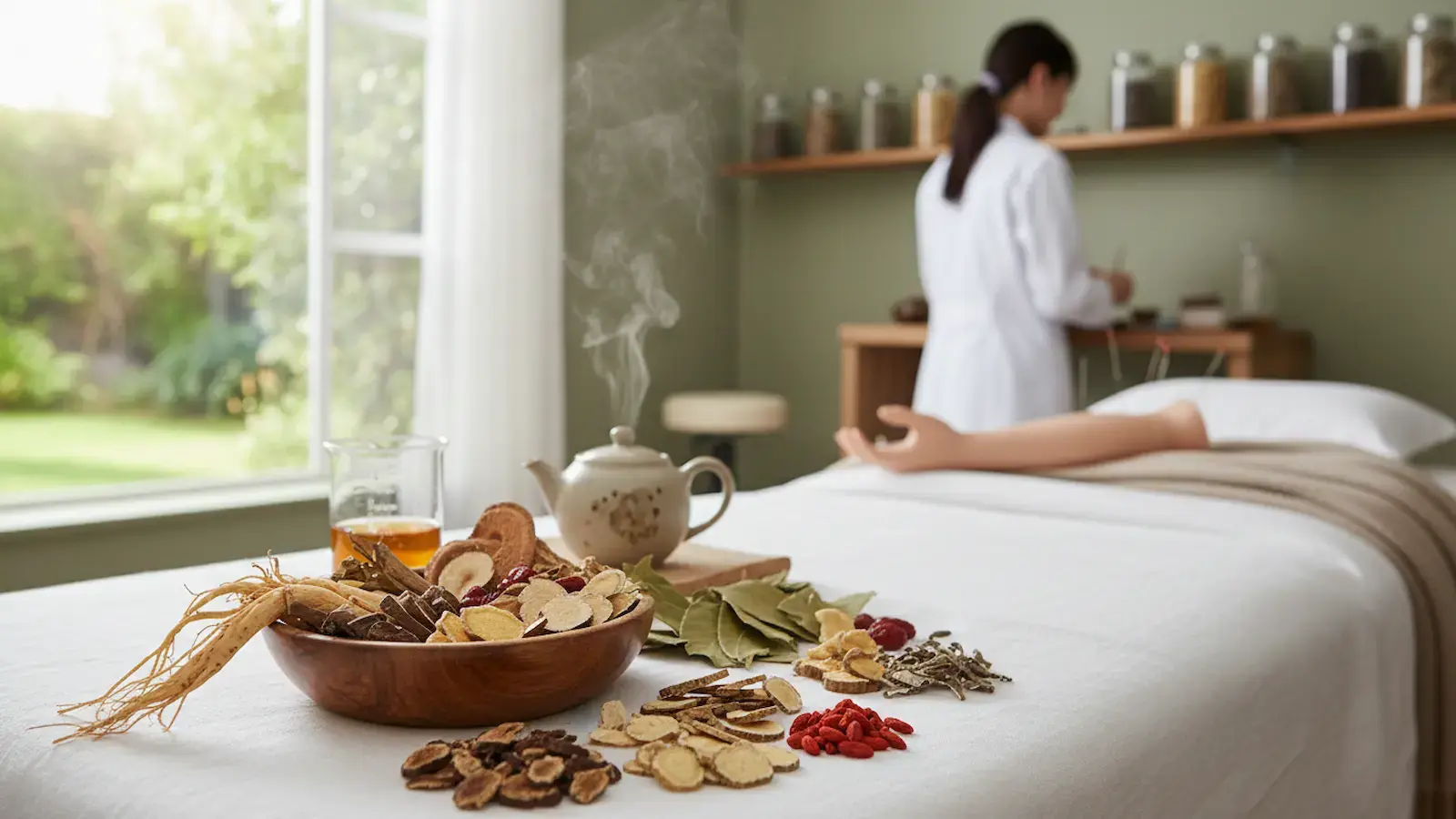
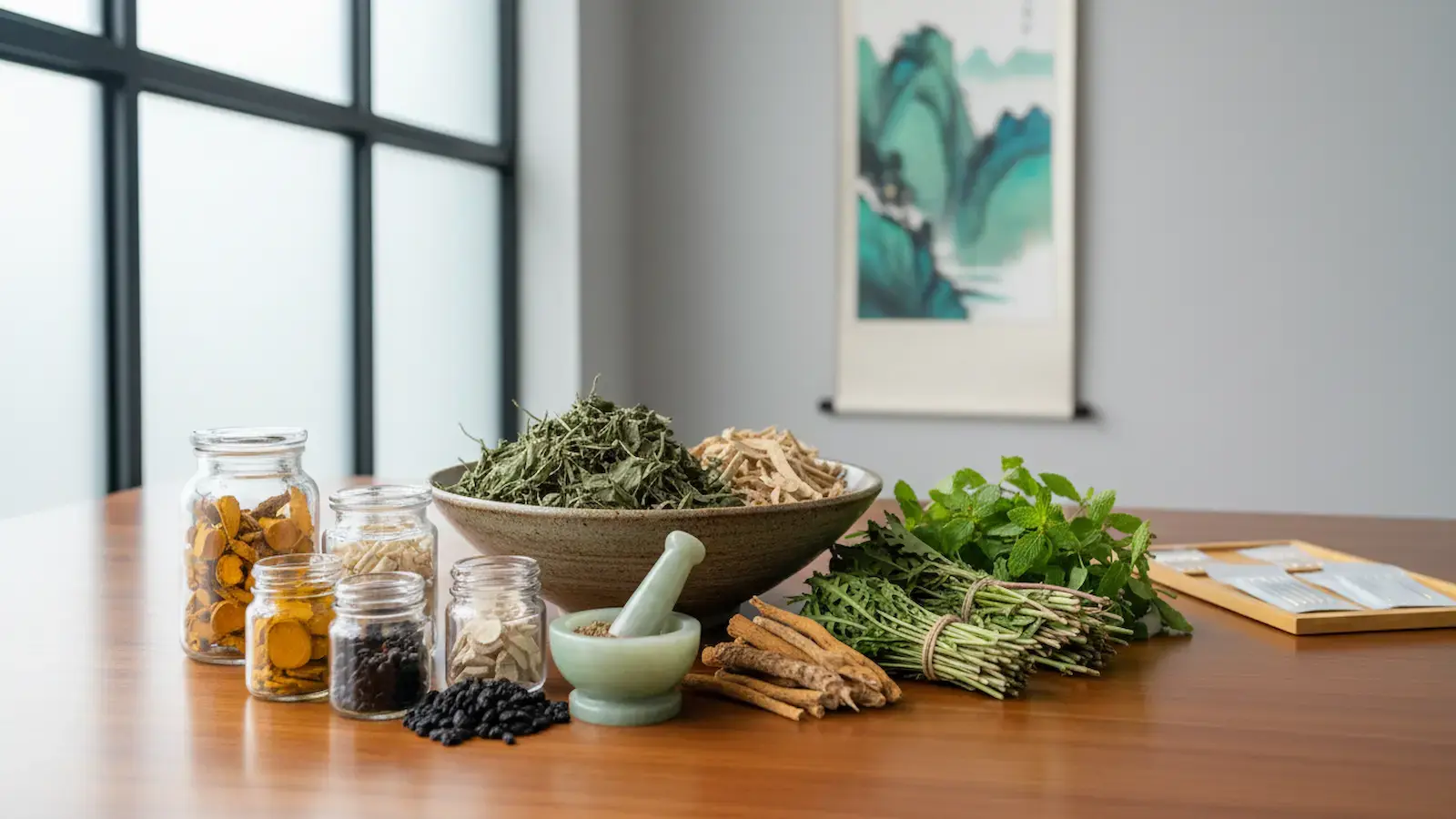
Gou teng (uncaria) is often included in formulas aimed at calming Liver Yang and is one of the more frequently cited herbs in this context. Tian ma (gastrodia) is another herb traditionally associated with dizziness and headaches linked to internal wind patterns. Chrysanthemum flower (ju hua) is commonly used for its cooling properties and is often paired with other herbs when Liver heat signs are present. These examples are meant to illustrate how formulas are built, not to suggest that any single herb is a stand-alone solution for blood pressure concerns.
Safety Comes First
Because blood pressure is a measurable, medically monitored condition, safety has to come before anything else. Herbs can interact with prescription medications, including those for blood pressure, so any use of Chinese herbs for hypertension should happen in close communication with both your physician and a qualified Chinese medicine practitioner. Continued monitoring of your blood pressure remains essential throughout a course of treatment, and herbs are never meant to replace the medication your doctor has prescribed. If you’re new to herbal medicine, our article on Are Chinese Herbs Safe to Take? walks through the basics of what responsible use looks like.
Why a Formula Should Be Personalized
A formula written for one person’s pattern is rarely appropriate for another’s, even if both have the same blood pressure reading. This is why practitioners spend time asking about sleep, stress, digestion, and emotional health before writing anything down. If you’d like to understand how these formulas are put together, our Chinese Herb Guide explains the reasoning behind combining herbs rather than using them individually.
Acupuncture and Lifestyle Support
Herbs are often discussed alongside acupuncture and Tuina massage as part of a broader approach to supporting the body. Stress reduction, consistent sleep, and dietary habits are also commonly addressed, since these factors are understood to influence patterns like Liver Yang rising. None of these approaches are presented as a way to stop a hypertensive crisis in progress; they are meant as ongoing, supportive care over time.
Finding a Qualified Practitioner
Because pattern differentiation is central to safe and appropriate herb selection, working with a properly trained and registered practitioner matters. In Ontario, practitioners registered with the College of Traditional Chinese Medicine Practitioners and Acupuncturists of Ontario (CTCMPAO) have met specific training and regulatory standards. If you’re exploring this path for the first time, our guide on Choosing a Traditional Chinese Medicine / Herbs Book can also help you build a basic understanding before your first visit.
How Traditional Healing Centre Approaches This
At Traditional Healing Centre in Keswick, Ontario, every treatment plan starts from your own Traditional Chinese Medicine diagnosis, never an off-the-shelf protocol. I’m Jason Tarter, R.TCMP, R.Ac, and I’ve been in practice for 18 years, combining acupuncture with custom herbal formulas written specifically for the individual in front of me. I also run the herbal dispensary that fills these formulas, so I can adjust them as your pattern changes over the course of treatment. Most patients plan on 5–10 visits before assessing progress, and receipts are issued by a Registered Acupuncturist and Registered Traditional Chinese Medicine Practitioner, which many extended health plans accept for reimbursement.
Ready to book, or have a question?
Book with Traditional Healing CentreIn this series
- A Chinese Herb Guide: Understanding Traditional Formulas
- Are Chinese Herbs Safe to Take?
- Chinese Herbs to Lose Weight: What Actually Helps
- Common Chinese Herbs and What They’re Used For
- Choosing a Traditional Chinese Medicine / Herbs Book
- Warming and Cooling Herbs in Chinese Medicine
- Traditional Chinese Herbs: What They Treat and How They Work
- Chinese Herbs for Spleen: Support for Digestion and Energy
- Organic Chinese Herbs Canada: What to Know Before You Buy
- Chinese Fertility Herbs: How Traditional Medicine Approaches Them
- Anxiety Chinese Herbs: Traditional Formulas That Support Calm
- Chinese Herbs for UTI: What Traditional Chinese Medicine Offers
- Can Chinese Herbs Increase Fertility? What to Know
- Chinese Herbs for Liver Cleanse: A TCM Perspective
- Chinese Herbs for Gallbladder Support: What to Know
- Chinese Herbs History: From Ancient Roots to Modern Care
- Rosacea Chinese Herbs: How TCM Approaches Facial Flushing
- Top Chinese Herbs: What They Do and How They’re Used
- Chinese Herbs for Menopause: What to Know Before You Start
- Chinese Herbs Side Effects: What to Know Before You Start
- Chinese Herbs for High Cholesterol: A TCM Perspective
- Chinese Herbs for Hypertension: What You Should Know