
Common Chinese Herbs and What They're Used For
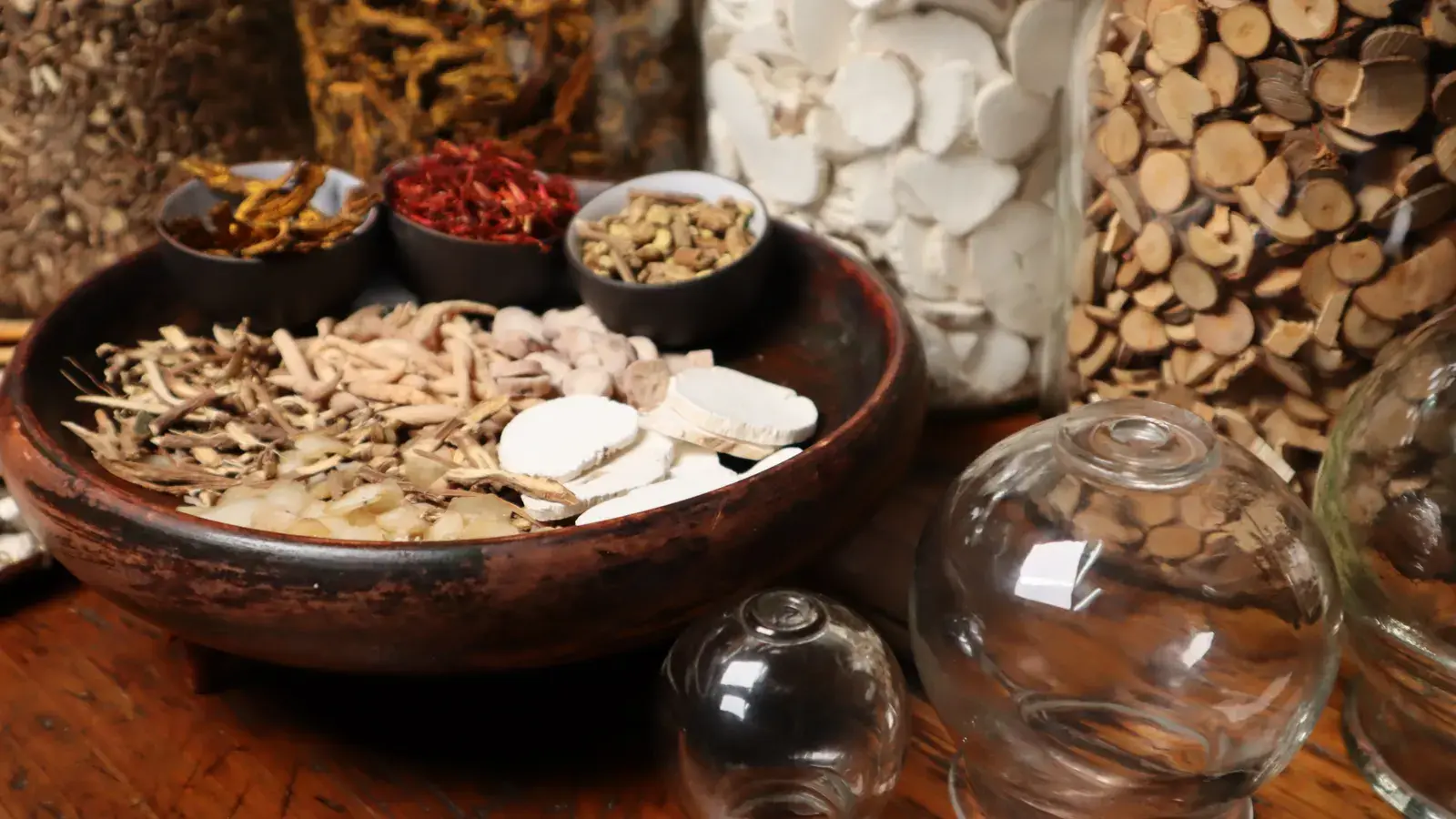
Quick answer: A list of Chinese herbs and their benefits typically includes ginseng for Qi, astragalus for immune support, dang gui for nourishing Blood, licorice root for harmonizing formulas, and herbs like poria and schisandra for calming the mind and supporting sleep. In Traditional Chinese Medicine, these herbs are rarely used alone; they are combined into formulas matched to a person’s individual pattern.
I am often asked for a simple list of Chinese herbs and their benefits, as though each herb worked the same way for everyone who takes it. In practice, Chinese herbal medicine is more nuanced than a single herb addressing a single symptom. Herbs are chosen and combined based on a person’s pattern, which is why two people with the same complaint may walk away with two different formulas. Still, understanding what individual herbs are traditionally used for is a helpful starting point before a visit.
In this article
- Common Chinese Herbs and What They Do
- How These Herbs Are Used in Practice
- Finding the Right Formula for You
- Safety Considerations
- New Patients: Start With a Proper Diagnosis
- In this series
Common Chinese Herbs and What They Do
Herbs in Chinese medicine are generally grouped by the function they serve within the body. Below are some of the most frequently used herbs, organized by the role they typically play in a formula.
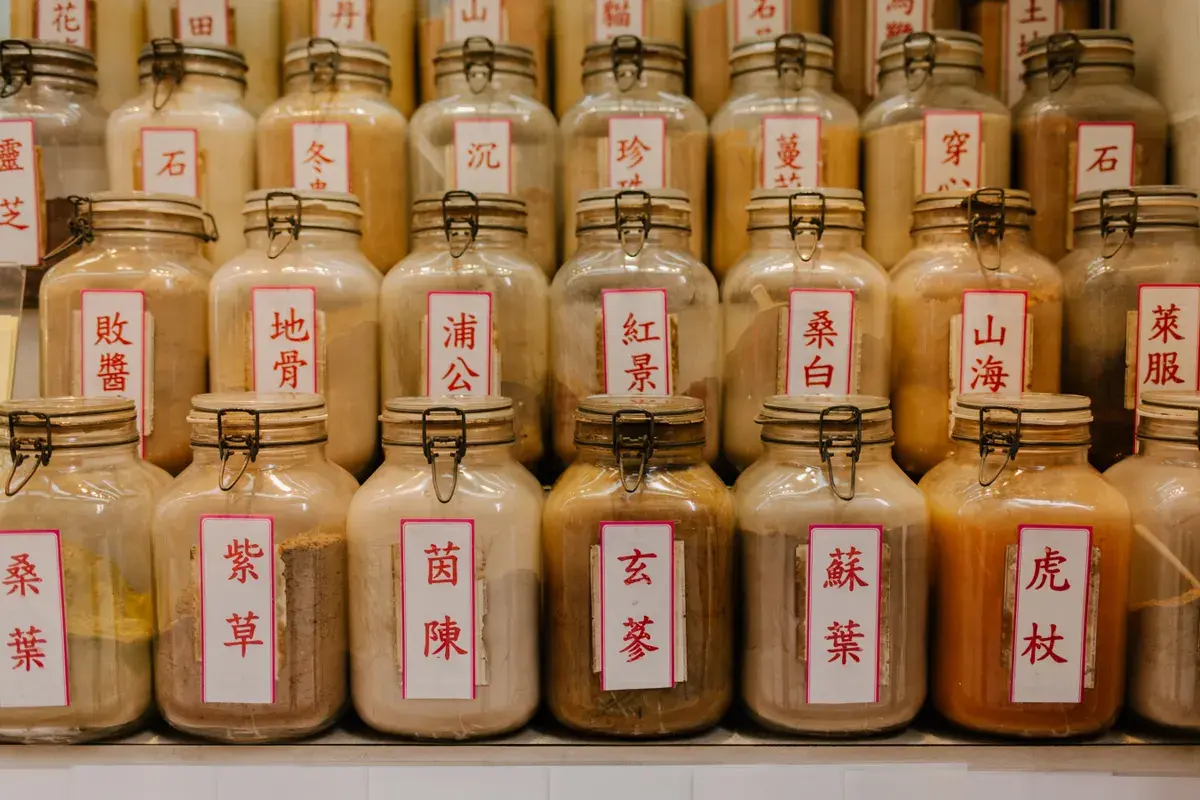
Photo by Julia Volk on Pexels
Herbs for Qi and Energy
Ginseng (Ren Shen) is one of the most recognized herbs in Chinese medicine, traditionally used to support Qi, which refers to the body’s vital energy. Astragalus (Huang Qi) is often paired with ginseng to support the body’s defensive Qi and overall resilience, particularly for people who feel run down or fatigued.
Herbs for Blood and Circulation
Angelica sinensis, known as dang gui, is a well-known herb for nourishing Blood. In Traditional Chinese Medicine, Blood is understood differently than in Western physiology, encompassing nourishment and circulation throughout the body. Cinnamon bark (Rou Gui) is another herb traditionally used to warm the body and help move Qi and Blood stagnation, which practitioners associate with certain types of discomfort and cold sensations.
Herbs for Calming the Mind
Poria (Fu Ling) is valued for its ability to drain dampness while gently calming the mind. Schisandra (Wu Wei Zi) is another herb often included in formulas aimed at supporting sleep and settling the spirit, especially for people dealing with stress or restlessness.
Herbs for Digestion and Balance
Ginger (Sheng Jiang) is a familiar kitchen ingredient that also plays an important role in Chinese herbal medicine, traditionally used to warm the digestive system. Licorice root (Gan Cao) appears in a large number of formulas, not necessarily for a single effect of its own, but because it helps harmonize the other herbs in a formula and moderates their actions.
Herbs for the Liver and Eyes
Goji berries (Gou Qi Zi) and chrysanthemum flower (Ju Hua) are commonly used together to nourish the Liver and Kidney and to support healthy eyes, particularly for people who spend long hours reading or looking at screens.
How These Herbs Are Used in Practice
It is worth repeating that these herbs are almost never prescribed on their own. A formula might combine eight, ten, or more herbs, each playing a specific role: some address the main pattern, others support digestion of the formula itself, and some moderate potential side effects of the stronger ingredients. The proportions and combinations are adjusted as a person’s pattern shifts over the course of treatment.
Finding the Right Formula for You
Because herbs work as part of a larger formula rather than in isolation, a list like this one is best used as background reading rather than a shopping list. At Traditional Healing Centre in Keswick, Ontario, every treatment plan starts from the patient’s own Traditional Chinese Medicine diagnosis, never an off-the-shelf protocol. Jason asks a lot of questions, looks at your tongue, and takes your pulse before recommending Chinese Herbal Medicine, Acupuncture, Chinese Cupping, Moxibustion, Tuina massage, or Cosmetic Acupuncture, depending on what your pattern calls for. This approach means the formula you receive is built around your specific presentation, not a generic list of herbs matched loosely to a symptom.
Safety Considerations
Chinese herbs can interact with medications and may not be appropriate for everyone, including people who are pregnant, nursing, or managing certain health conditions. A qualified practitioner will take a full health history before recommending any formula, and herbal medicine is intended to work alongside, not in place of, guidance from your regular healthcare provider.
New Patients: Start With a Proper Diagnosis
If you are curious how Chinese herbal medicine might fit into your own health routine, the first step is a thorough diagnosis rather than picking herbs from a list. New patients are welcome to book an appointment or get in touch with questions before their first visit. To learn more about the clinic and its approach, visit Traditional Healing Centre.
Herb and formula details: Bencao Index.
In this series
- A Chinese Herb Guide: Understanding Traditional Formulas
- Are Chinese Herbs Safe to Take?
- Chinese Herbs to Lose Weight: What Actually Helps
- Common Chinese Herbs and What They’re Used For
- Choosing a Traditional Chinese Medicine / Herbs Book
- Warming and Cooling Herbs in Chinese Medicine
- Blood-Building Herbs in Chinese Medicine
- Traditional Chinese Herbs: What They Treat and How They Work
- Chinese Herbs for Spleen: Support for Digestion and Energy
- Organic Chinese Herbs Canada: What to Know Before You Buy
- Chinese Fertility Herbs: How Traditional Medicine Approaches Them
- Anxiety Chinese Herbs: Traditional Formulas That Support Calm
- Chinese Herbs for UTI: What Traditional Chinese Medicine Offers
- Can Chinese Herbs Increase Fertility? What to Know
- Chinese Herbs for Liver Cleanse: A TCM Perspective
- Chinese Herbs for Gallbladder Support: What to Know
- Chinese Herbs History: From Ancient Roots to Modern Care
- Rosacea Chinese Herbs: How TCM Approaches Facial Flushing
- Chinese Herbs for Hypertension: What You Should Know
- Top Chinese Herbs: What They Do and How They’re Used
- Chinese Herbs for Menopause: What to Know Before You Start
- Chinese Herbs Side Effects: What to Know Before You Start
- Chinese Herbs for Soaking Feet: A Traditional Approach to Rest
- Chinese Herbs for High Cholesterol: A TCM Perspective
- Best Chinese Herbs for Acid Reflux: A TCM Guide
- Best Chinese Herbs for Immune System Support
- Best Time to Take Chinese Herbs for Best Results
- Chinese Herbs for Adenomyosis: What to Know
- Can Chinese Herbs Be Harmful? What to Know Before You Start