
Top Chinese Herbs: What They Do and How They're Used
In short
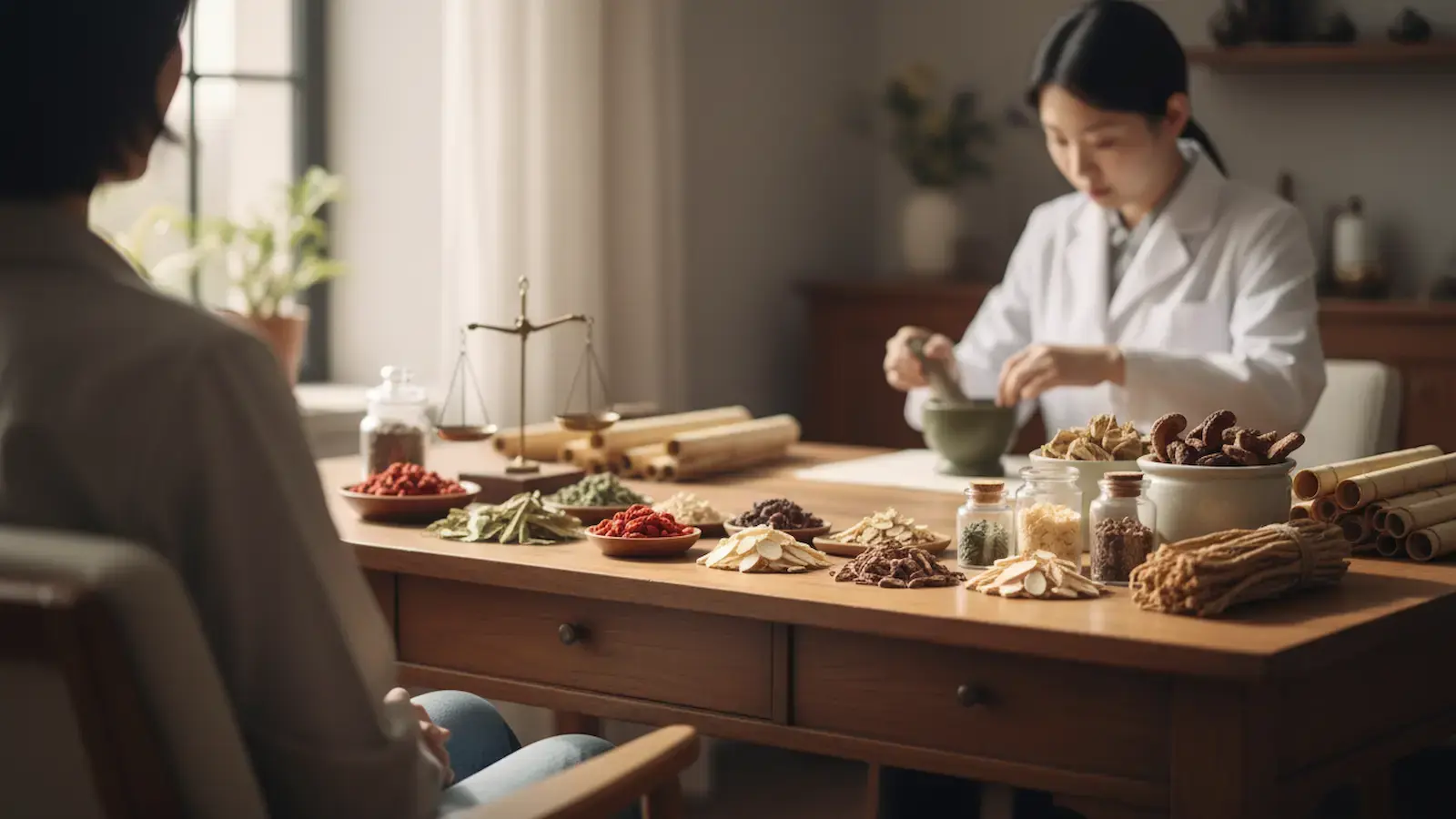
Some of the top Chinese herbs include ginseng, astragalus, licorice root, dang gui, and poria, each chosen for a specific role such as building Qi, nourishing Blood, or calming the spirit. In practice, these herbs are rarely taken alone; a Traditional Chinese Medicine practitioner combines several of them into a formula written for the pattern found in your pulse, tongue, and symptoms.
When people search for the top Chinese herbs, they’re often picturing a single ingredient that will solve a specific problem, the way one might reach for a particular vitamin. Traditional Chinese Medicine works differently. An herb’s value comes from how it fits into a formula alongside other herbs, each one supporting or balancing the others. Understanding a handful of well-known herbs is a useful starting point, but it only tells part of the story.
In this article
- What Makes an Herb “Top” in Chinese Medicine?
- Commonly Used Chinese Herbs and Their Roles
- Why Formulas Matter More Than Single Herbs
- Are These Herbs Safe for Everyone?
- Learning More Before Your First Visit
- Finding the Right Formula at Traditional Healing Centre
- Ready to Learn Which Herbs Fit Your Pattern?
- In this series
What Makes an Herb “Top” in Chinese Medicine?
An herb earns a place in Chinese medicine not because it’s trendy, but because generations of clinical use have mapped out what it does, which organ systems it affects, and which patterns it addresses. Some herbs tonify Qi, some move Blood, some clear heat, and some calm the mind. None of these actions is universally “good” for everyone; an herb that benefits one person’s pattern may not suit another’s. If you’d like to go deeper into how formulas are built and why single herbs aren’t prescribed in isolation, A Chinese Herb Guide: Understanding Traditional Formulas walks through the logic in more detail.
Commonly Used Chinese Herbs and Their Roles
Ginseng (Ren Shen)
Ginseng is one of the most recognized herbs in Chinese medicine, traditionally used to tonify Qi, particularly when fatigue, shortness of breath, or a weak digestive system are present. It’s often included in formulas aimed at restoring overall vitality.
Astragalus (Huang Qi)
Astragalus works alongside ginseng in many formulas to strengthen Qi, especially Qi associated with the lungs and the body’s protective surface. It’s commonly chosen for patterns involving low energy or frequent susceptibility to colds.
Licorice Root (Gan Cao)
Book a time
Pick a time that suits you.
Book a time- Phone: (647) 346-2780
- Email: jasontcm@traditionalhealingcentre.com
- Address: 213 Queensway S. Unit 400, Keswick, Ontario, L4P2A7
Related articles
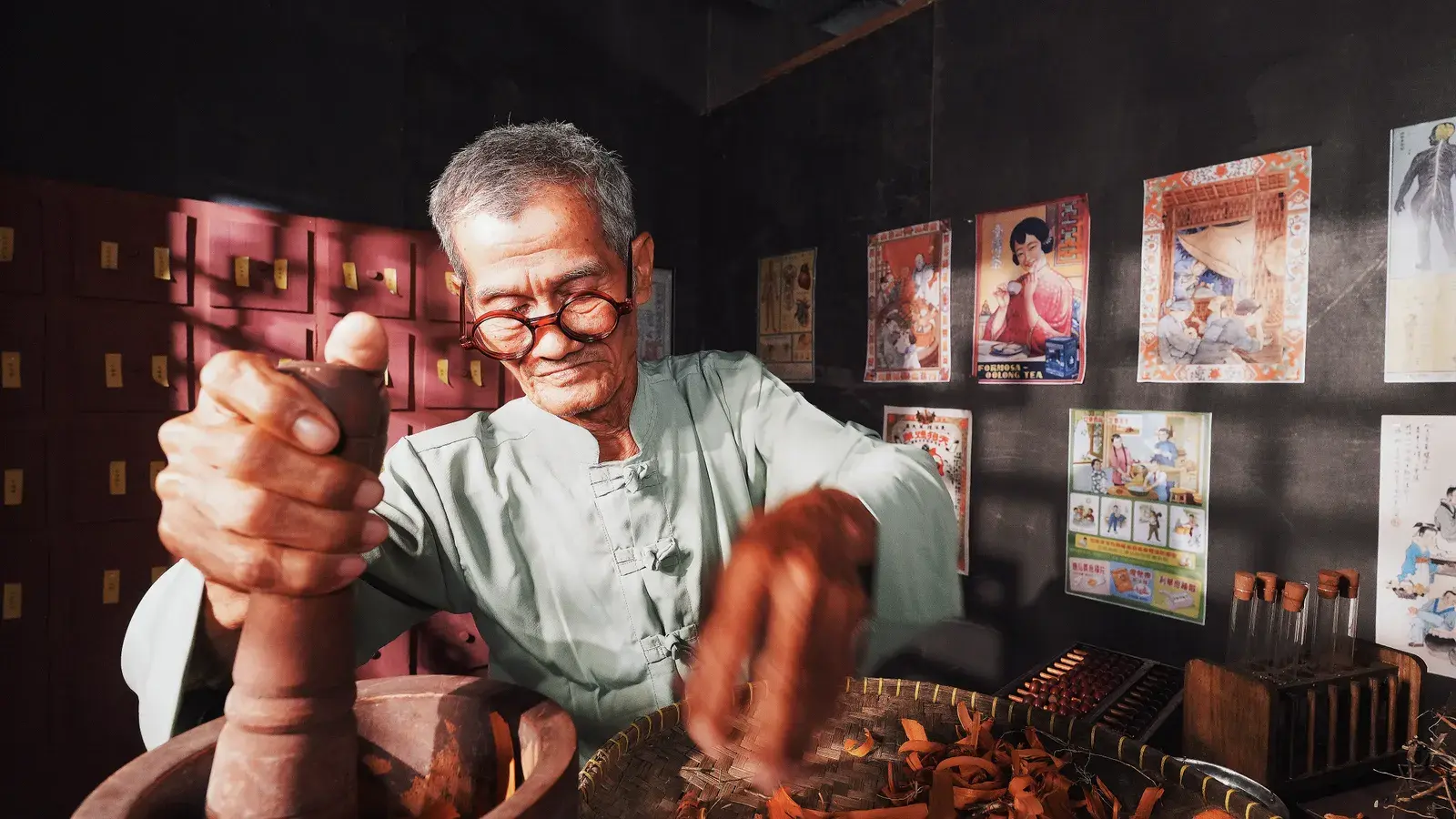
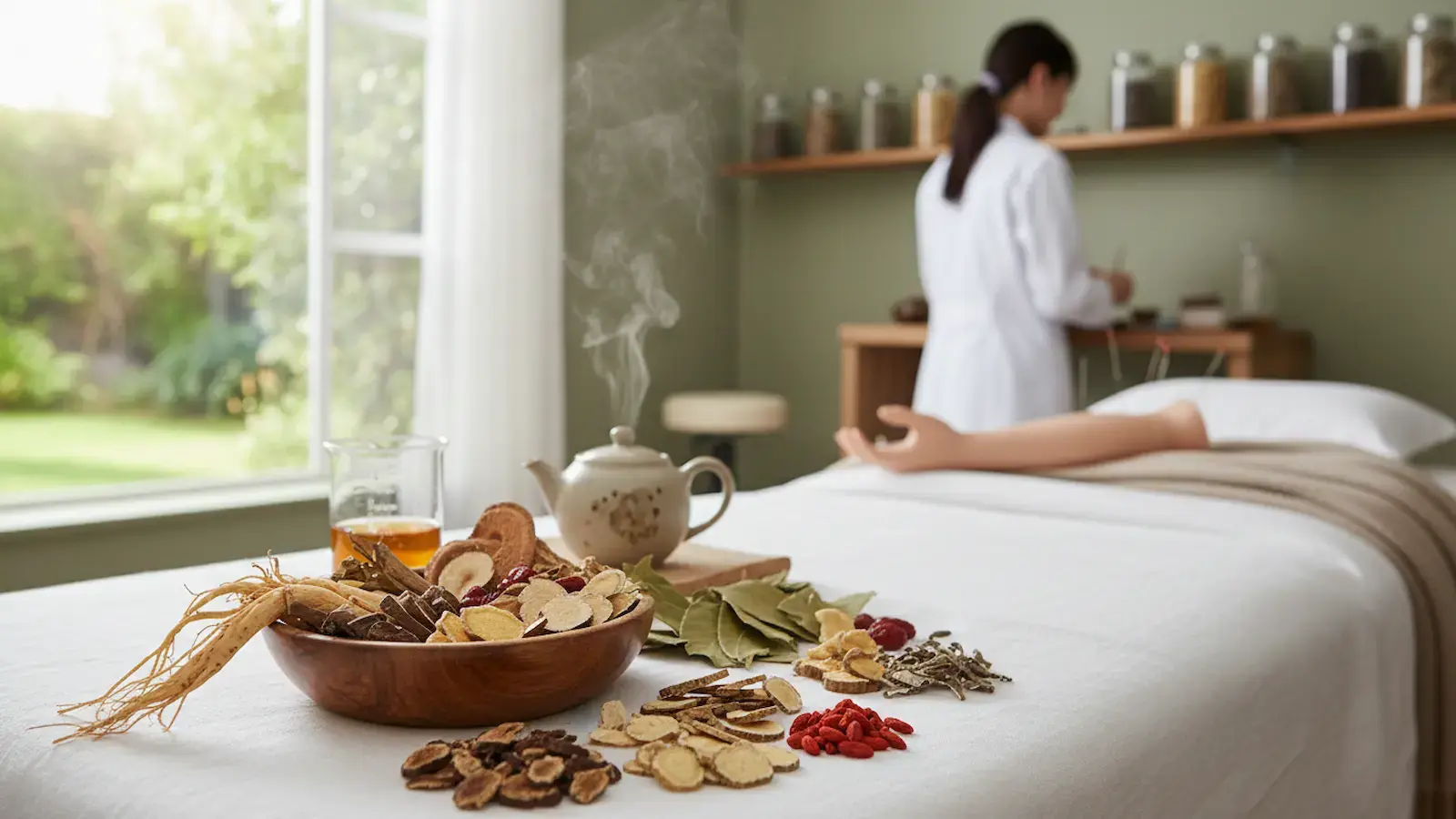
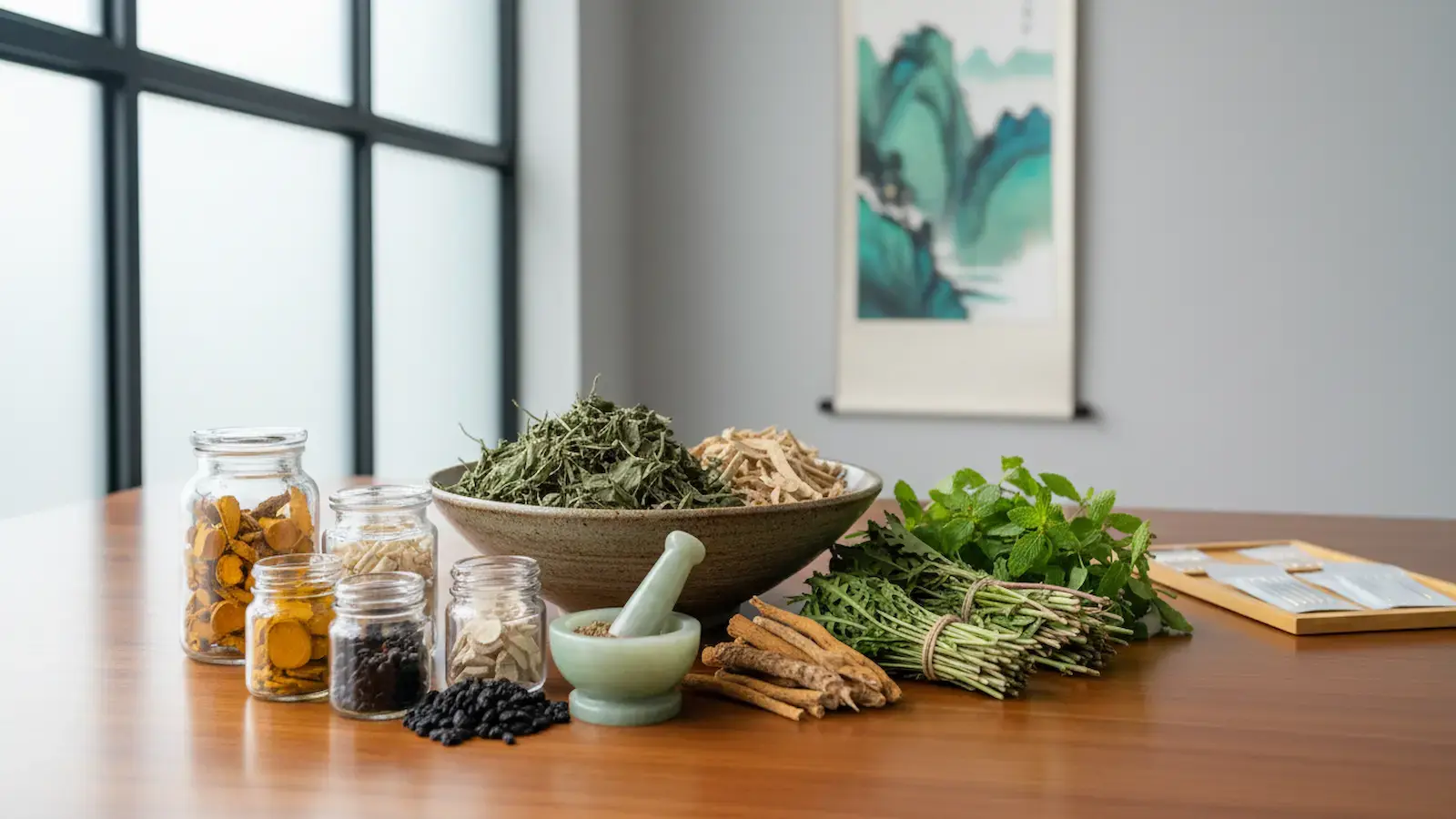
Licorice root appears in a large share of classical formulas, not always as the main herb but as a harmonizer that moderates the actions of other ingredients and supports the digestive system. Its presence is a good example of how formula design, not single-herb action, drives results in Chinese medicine.
Angelica Sinensis (Dang Gui)
Dang gui is closely associated with nourishing Blood and addressing what Chinese medicine calls Qi and Blood stagnation. It’s frequently included in formulas for menstrual concerns and for patterns marked by pallor, dizziness, or a thin pulse.
Poria (Fu Ling)
Poria is valued for draining dampness and supporting the spleen, making it a common addition to formulas for digestive bloating, loose stools, or a feeling of heaviness. It’s also used in formulas aimed at calming the mind and supporting sleep.
Why Formulas Matter More Than Single Herbs
A formula is built the way a recipe is built: each herb has a role, whether that’s the lead ingredient addressing the main pattern, a supporting herb reinforcing that action, or a harmonizing herb that keeps the whole formula balanced. This is why two patients with similar symptoms, say, low back pain, may walk away with different formulas if their underlying patterns differ. One might show signs of Qi and Blood stagnation, while another shows signs of Kidney deficiency. The herbs chosen, and the proportions used, follow from that pattern.
Are These Herbs Safe for Everyone?
Chinese herbs are generally well tolerated when prescribed appropriately, but “generally” is doing real work in that sentence. Herbs can interact with medications, and a formula suited to one pattern may be inappropriate for another. If you’re considering herbal medicine, it’s worth reading Are Chinese Herbs Safe to Take? before starting, and discussing your current medications and health history with a qualified practitioner.
Learning More Before Your First Visit
If you like to research before committing to a course of treatment, a good reference book can help you understand the language practitioners use. Choosing a Traditional Chinese Medicine / Herbs Book offers guidance on finding a resource that matches your level of interest, whether that’s a general overview or a more detailed herbal reference.
Finding the Right Formula at Traditional Healing Centre
At Traditional Healing Centre in Keswick, Ontario, every treatment plan starts from your own Traditional Chinese Medicine diagnosis, never an off-the-shelf protocol. Jason Tarter, R.TCMP, R.Ac, has been in practice for 18 years and combines acupuncture with custom herbal formulas written for the individual patient. Jason runs the herbal dispensary that fills the formulas he prescribes, so the herbs you receive are matched directly to the pattern found during your visit, not pulled from a generic list of “top” herbs. He is registered with the College of Traditional Chinese Medicine Practitioners and Acupuncturists of Ontario (CTCMPAO), and receipts are issued by a Registered Acupuncturist (R.Ac) and Registered Traditional Chinese Medicine Practitioner (R.TCMP), which many extended health plans accept for acupuncture and Chinese medicine services. Most patients plan on 5–10 treatments to judge progress, since herbal formulas and acupuncture typically work gradually as the underlying pattern shifts. If you have questions about how this process works before booking, you can get in touch directly.
Ready to Learn Which Herbs Fit Your Pattern?
Ready to book, or have a question?
Book with Traditional Healing CentreIn this series
- A Chinese Herb Guide: Understanding Traditional Formulas
- Are Chinese Herbs Safe to Take?
- Chinese Herbs to Lose Weight: What Actually Helps
- Common Chinese Herbs and What They’re Used For
- Choosing a Traditional Chinese Medicine / Herbs Book
- Warming and Cooling Herbs in Chinese Medicine
- Traditional Chinese Herbs: What They Treat and How They Work
- Chinese Herbs for Spleen: Support for Digestion and Energy
- Organic Chinese Herbs Canada: What to Know Before You Buy
- Chinese Fertility Herbs: How Traditional Medicine Approaches Them
- Anxiety Chinese Herbs: Traditional Formulas That Support Calm
- Chinese Herbs for UTI: What Traditional Chinese Medicine Offers
- Can Chinese Herbs Increase Fertility? What to Know
- Chinese Herbs for Liver Cleanse: A TCM Perspective
- Chinese Herbs for Gallbladder Support: What to Know
- Chinese Herbs History: From Ancient Roots to Modern Care
- Rosacea Chinese Herbs: How TCM Approaches Facial Flushing
- Chinese Herbs for Hypertension: What You Should Know
- Chinese Herbs for Menopause: What to Know Before You Start
- Chinese Herbs Side Effects: What to Know Before You Start
- Chinese Herbs for High Cholesterol: A TCM Perspective
- Top Chinese Herbs: What They Do and How They’re Used