
Chinese Herbs for Soaking Feet: A Traditional Approach to Rest
In short
Chinese herbs for soaking feet are traditional botanicals—such as mugwort, safflower, and ginger—steeped in hot water to warm the feet and support the movement of Qi and Blood. They are often used at home for relaxation and mild stiffness, though a custom herbal formula written for your own pattern addresses symptoms more precisely than a general soak.
Soaking the feet in warm water infused with botanicals is one of the oldest home remedies in Traditional Chinese Medicine, and chinese herbs for soaking feet remain a popular way to unwind at the end of a long day. The practice is simple, the ingredients are easy to find, and many people use it alongside other wellness habits. Still, understanding why it works—and where its limits are—helps you use it sensibly.
In this article
What Chinese Herbs for Soaking Feet Involve
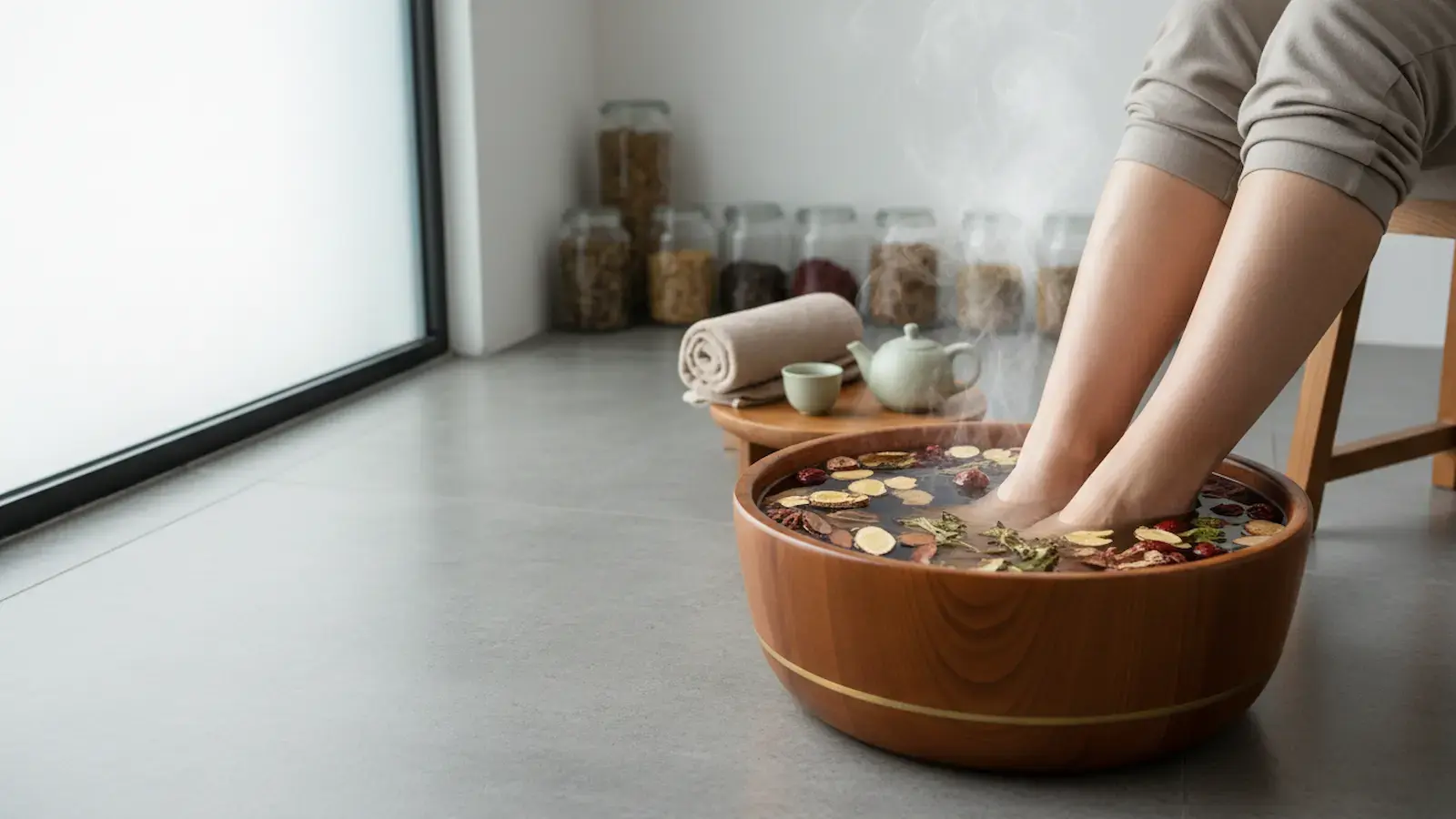
A foot soak is exactly what it sounds like: herbs are simmered or steeped in hot water, then the liquid is poured into a basin large enough to cover the ankles. The feet are soaked for roughly fifteen to twenty minutes while the water is still warm. In Traditional Chinese Medicine, the feet are considered a meeting point for several important channels, which is part of why this area is targeted for warming therapies.
How This Fits Traditional Chinese Medicine Theory
Traditional Chinese Medicine looks at symptoms through the lens of patterns rather than isolated complaints. Cold, stiffness, and heaviness in the lower body are often described in terms of Qi and Blood stagnation, meaning the smooth flow of Qi and Blood through the channels has slowed.
Qi and Blood Stagnation in the Lower Body
Warming herbs are thought to encourage circulation and ease the sensation of stagnation. This is also part of the reasoning behind Moxibustion, a related warming therapy that uses the heat of mugwort rather than water. Foot soaks offer a gentler, at-home version of this same warming principle.
Herbs Commonly Used in Foot Soaks
Several botanicals appear often in traditional foot soak recipes:
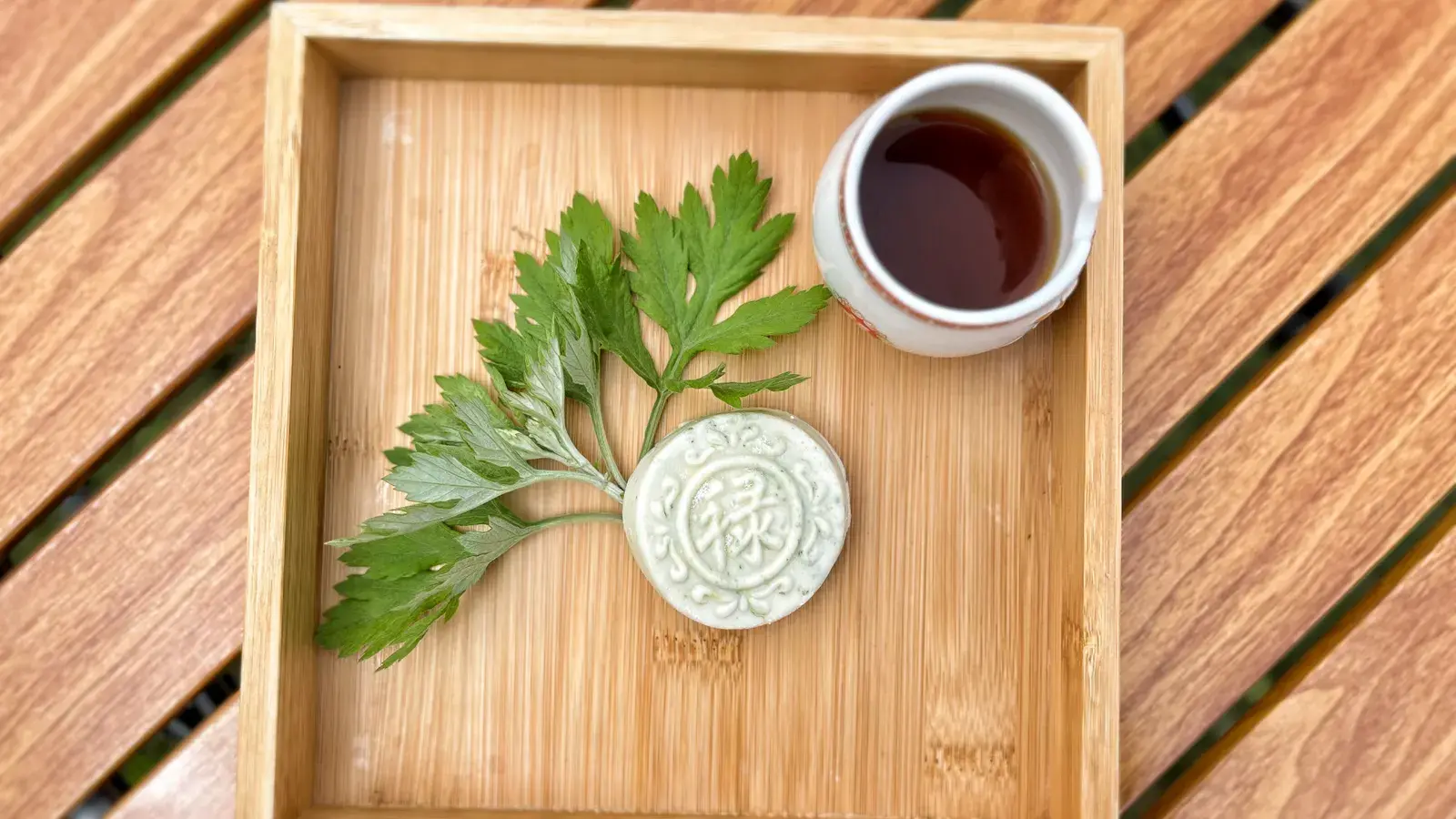
- Mugwort (Ai Ye) – a warming herb also used in Moxibustion
- Safflower (Hong Hua) – traditionally associated with moving Blood
- Ginger (Sheng Jiang) – warming and commonly used for cold sensations
- Cinnamon twig (Gui Zhi) – used to support circulation in the limbs
Book a time
Pick a time that suits you.
Book a time- Phone: (647) 346-2780
- Email: jasontcm@traditionalhealingcentre.com
- Address: 213 Queensway S. Unit 400, Keswick, Ontario, L4P2A7
Related articles
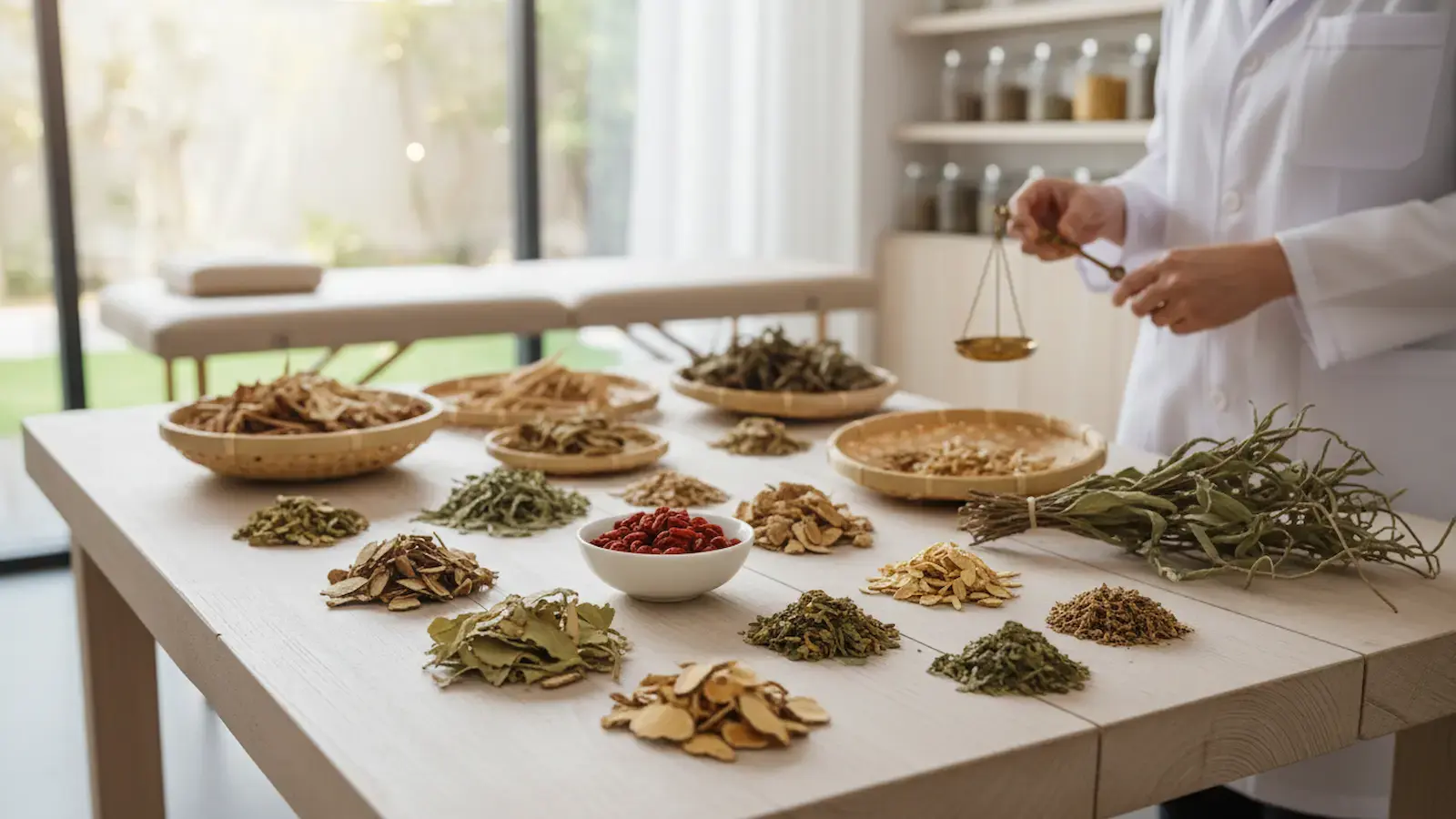
These herbs are typically combined in small amounts rather than used alone. If you want a deeper look at how Traditional Chinese Medicine formulas are built from combinations like these, our Chinese Herb Guide: Understanding Traditional Formulas walks through the basics.
Preparing a Foot Soak at Home
Basic Steps
A simple approach is to simmer a small handful of dried herbs in a few cups of water for ten to fifteen minutes, strain the liquid, and add it to a basin of warm water large enough to cover the ankles. Soak for fifteen to twenty minutes, keeping the water comfortably warm rather than hot.
Safety Considerations
Not every herb is appropriate for every person, and some botanicals interact with medications or are unsuitable during pregnancy or for certain skin conditions. If you have diabetes, poor circulation, or open skin on the feet, check with a healthcare provider before starting. For a broader look at how traditional herbs are evaluated for safety, see Are Chinese Herbs Safe to Take?
Why a Tailored Formula Matters
A foot soak made from a general recipe can be a pleasant part of a self-care routine, but it isn’t built around your own pattern. At Traditional Healing Centre in Keswick, Ontario, every treatment plan starts from the patient’s own Traditional Chinese Medicine diagnosis, never an off-the-shelf protocol. Jason Tarter, R.TCMP, R.Ac, has been in practice for 18 years and combines acupuncture with custom herbal formulas written for the individual patient, filled through the clinic’s own herbal dispensary. Patients sometimes ask whether a formula can also support other goals, such as the questions addressed in Chinese Herbs to Lose Weight: What Actually Helps—the same principle of individualized formulation applies there as well.
What to Expect From a Course of Treatment
Herbal medicine and acupuncture work gradually. It’s reasonable to plan on five to ten visits before judging progress, since a formula is often adjusted as your pattern shifts. Jason is registered with the College of Traditional Chinese Medicine Practitioners and Acupuncturists of Ontario (CTCMPAO), and receipts are issued by a Registered Acupuncturist (R.Ac) and Registered Traditional Chinese Medicine Practitioner (R.TCMP). Many extended health plans cover acupuncture and Chinese medicine services, which is worth checking before your first visit.
A home foot soak can be a reasonable way to relax at the end of the day, but if cold, stiffness, or Qi and Blood stagnation are recurring issues, a diagnosis-based approach is more likely to get to the root of the pattern. If you’d like to discuss whether a custom herbal formula or acupuncture course fits your situation, you can book an appointment or get in touch with questions first.
Ready to book, or have a question?
Book with Traditional Healing CentreIn this series
- A Chinese Herb Guide: Understanding Traditional Formulas
- Are Chinese Herbs Safe to Take?
- Chinese Herbs to Lose Weight: What Actually Helps
- Common Chinese Herbs and What They’re Used For
- Choosing a Traditional Chinese Medicine / Herbs Book
- Warming and Cooling Herbs in Chinese Medicine
- Traditional Chinese Herbs: What They Treat and How They Work
- Chinese Herbs for Spleen: Support for Digestion and Energy
- Organic Chinese Herbs Canada: What to Know Before You Buy
- Chinese Fertility Herbs: How Traditional Medicine Approaches Them
- Anxiety Chinese Herbs: Traditional Formulas That Support Calm
- Chinese Herbs for UTI: What Traditional Chinese Medicine Offers
- Can Chinese Herbs Increase Fertility? What to Know
- Chinese Herbs for Liver Cleanse: A TCM Perspective
- Chinese Herbs for Gallbladder Support: What to Know
- Chinese Herbs History: From Ancient Roots to Modern Care
- Rosacea Chinese Herbs: How TCM Approaches Facial Flushing
- Chinese Herbs for Hypertension: What You Should Know
- Top Chinese Herbs: What They Do and How They’re Used
- Chinese Herbs for Menopause: What to Know Before You Start
- Chinese Herbs Side Effects: What to Know Before You Start
- Chinese Herbs for High Cholesterol: A TCM Perspective
- Chinese Herbs for Soaking Feet: A Traditional Approach to Rest