
A Chinese Herb Guide: Understanding Traditional Formulas
In short
A Chinese herb guide should teach you that herbs are almost never used alone. A trained practitioner combines several herbs into a formula based on your individual pattern, then adjusts that formula as your symptoms change. The right combination depends on a full diagnosis, not a label on a bottle.
Most people searching for information on Chinese herbs are hoping to find a simple list: this herb for that symptom. I understand the appeal, but Traditional Chinese Medicine does not work that way, and a guide that skips the reasoning behind herb selection leaves out the part that actually matters. Below, I walk through how formulas are built, what the major categories of herbs are used for, and how a course of treatment typically unfolds.
In this article
What a Chinese Herb Guide Should Teach You First
Formulas, Not Single Herbs
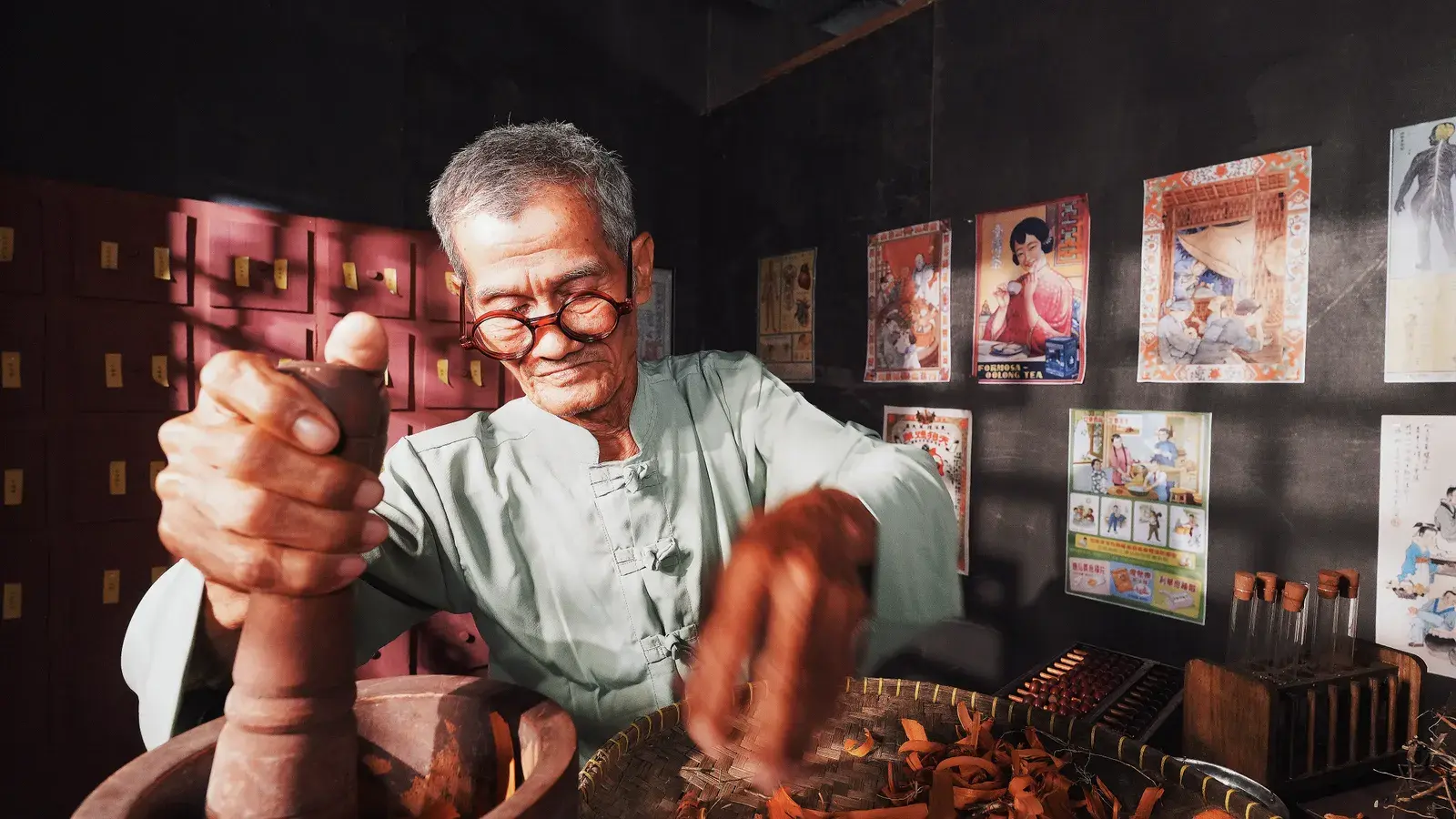
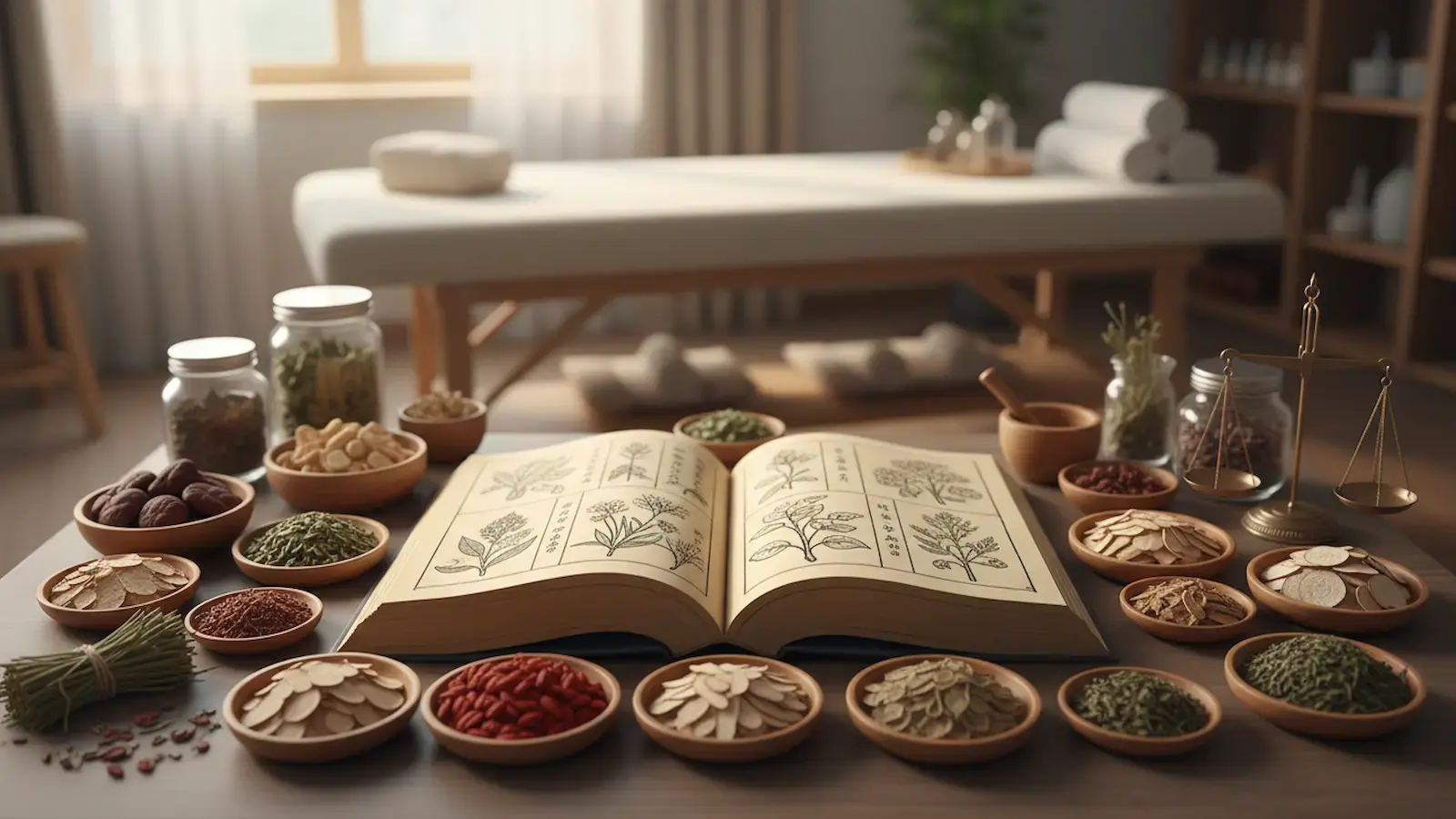
In Traditional Chinese Medicine, herbs are rarely prescribed one at a time. A formula might contain anywhere from four to fifteen herbs, each playing a specific role: one herb addresses the primary pattern, others support it, and a few moderate the formula so it suits your constitution. This is why two people with the same complaint, say lower back pain, can walk away with entirely different formulas. Their underlying patterns are not the same, even though their symptoms overlap.
How Practitioners Diagnose Before They Formulate
The Pattern Behind Your Symptoms
A full diagnosis involves a lot of questions about your pain and your health in general, then a look at your tongue and a reading of your pulse. This is how Traditional Chinese Medicine works out why you are having your symptoms, not just what they are. The pattern that emerges from this process, whether it points to Qi and Blood stagnation, dampness, or a deficiency pattern, determines which herbs belong in your formula. Skipping this step and choosing herbs based on symptoms alone is one of the most common mistakes people make when they try to self-treat with herbs purchased online.
If you want to see how this same diagnostic approach applies to acupuncture, the guide on what acupuncture is best for covers similar ground from a different angle.
Common Categories of Chinese Herbs
Herbs for Qi and Blood Stagnation
Herbs in this category are often considered for chronic pain conditions, including back pain, sciatica, and knee pain, where stagnation is part of the pattern. They are typically combined with herbs that nourish Blood or support the organs involved, rather than used in isolation.
Herbs for Digestive Support
Book a time
Pick a time that suits you.
Book a time- Phone: (647) 346-2780
- Email: jasontcm@traditionalhealingcentre.com
- Address: 213 Queensway S. Unit 400, Keswick, Ontario, L4P2A7
Related articles
Digestive complaints are frequently tied to patterns affecting the Spleen and Stomach in Traditional Chinese Medicine theory. Formulas for these concerns often aim to strengthen digestive function while addressing any accompanying dampness or Qi stagnation.
Herbs for Sleep and Stress
Sleep and stress-related patterns often involve the Heart and Liver systems. Formulas addressing these patterns are built around calming and nourishing herbs, chosen according to whether the underlying pattern leans toward deficiency or excess.
For a closer look at specific herbs and what each is traditionally used for, the article on common Chinese herbs and their benefits is a useful companion to this guide.
What to Expect From a Course of Treatment
Working With a Qualified Practitioner
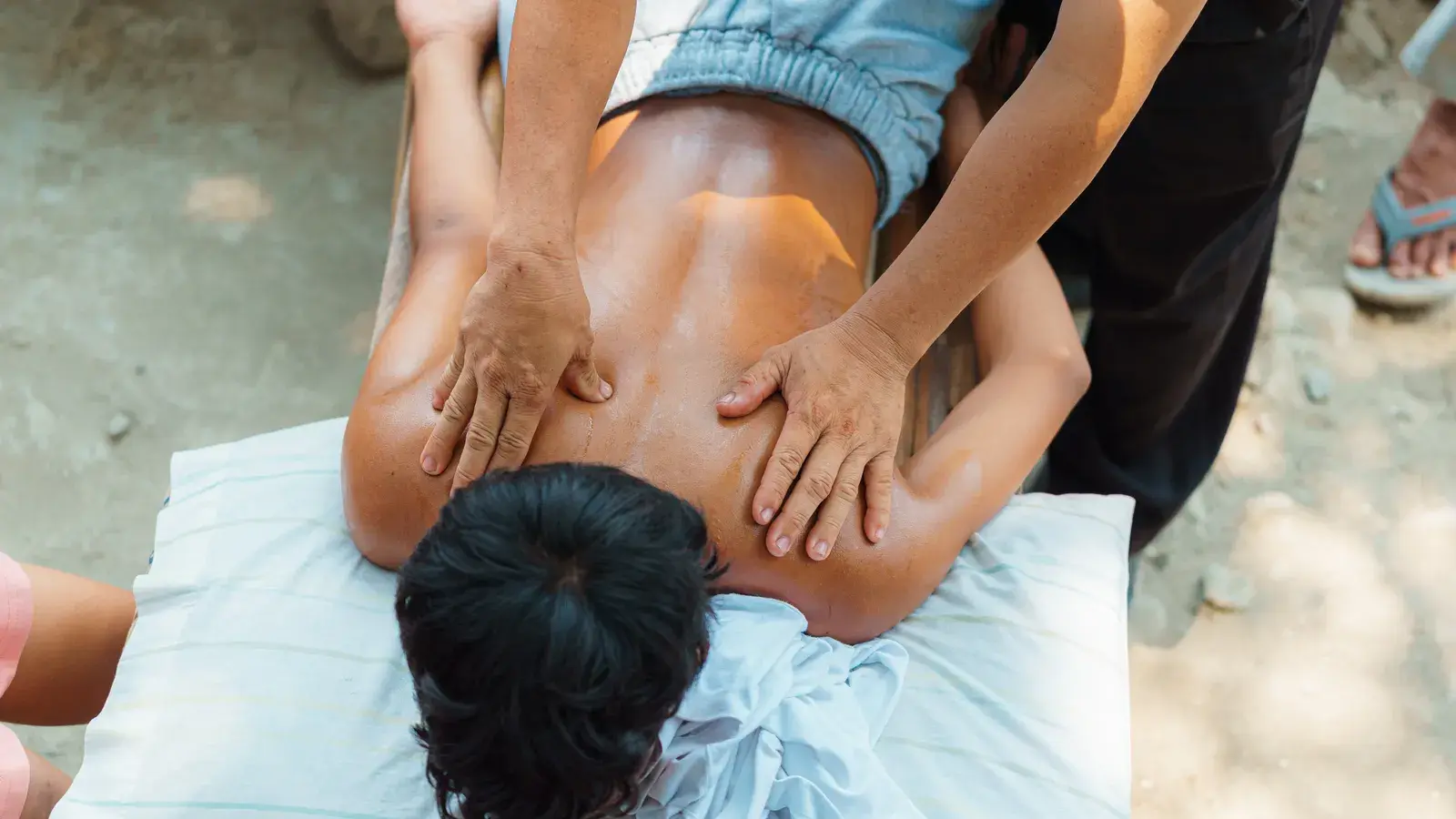
A course of treatment with Chinese herbal medicine is rarely static. Your practitioner will typically reassess your pattern at each visit and adjust the formula as your symptoms shift. This might mean reducing certain herbs as a pattern resolves or adding others if new symptoms appear. Herbal medicine is often combined with acupuncture or Tuina massage as part of a broader course of treatment, particularly for chronic pain conditions. You can read more about how Tuina massage fits into pain management in the guide to pain relief massage.
Why Traditional Healing Centre Fits Into This Picture
At Traditional Healing Centre in Keswick, Ontario, every treatment plan starts from the patient’s own Traditional Chinese Medicine diagnosis, never an off-the-shelf protocol. This matters for herbal medicine specifically, since a formula chosen without a proper pattern diagnosis is unlikely to address the root of what you are experiencing. Along with Chinese herbal medicine, the clinic offers acupuncture, Chinese cupping, moxibustion, Tuina massage, and cosmetic acupuncture, all built around the same diagnostic process.