
Traditional Chinese Herbs: What They Treat and How They Work
In short
Traditional Chinese herbs are plant, mineral, and animal-derived substances combined into formulas meant to correct patterns of imbalance such as Qi and Blood stagnation. A trained practitioner selects and combines herbs based on an individual's pattern rather than matching one herb to one symptom. Many people use them alongside acupuncture for chronic pain, digestive, sleep, stress, or menstrual concerns.
Traditional Chinese herbs have been studied and refined for centuries, with written records of herbal formulas dating back thousands of years in Chinese medical texts. Today, those same principles guide how a Traditional Chinese Medicine (TCM) practitioner selects and combines herbs for each person who walks through the clinic door. Rather than treating a headache or an upset stomach as an isolated event, TCM looks at the whole pattern of signs and symptoms a person presents with, then builds a formula designed for that specific presentation.
In this article
- What Are Traditional Chinese Herbs?
- How Traditional Chinese Herbs Work in TCM
- Common Traditional Chinese Herbs and Their Uses
- Traditional Chinese Herbs for Common Concerns
- What to Expect During a Visit
- Safety and Working with a Qualified Practitioner
- Why Diagnosis Matters at Traditional Healing Centre
- In this series
What Are Traditional Chinese Herbs?
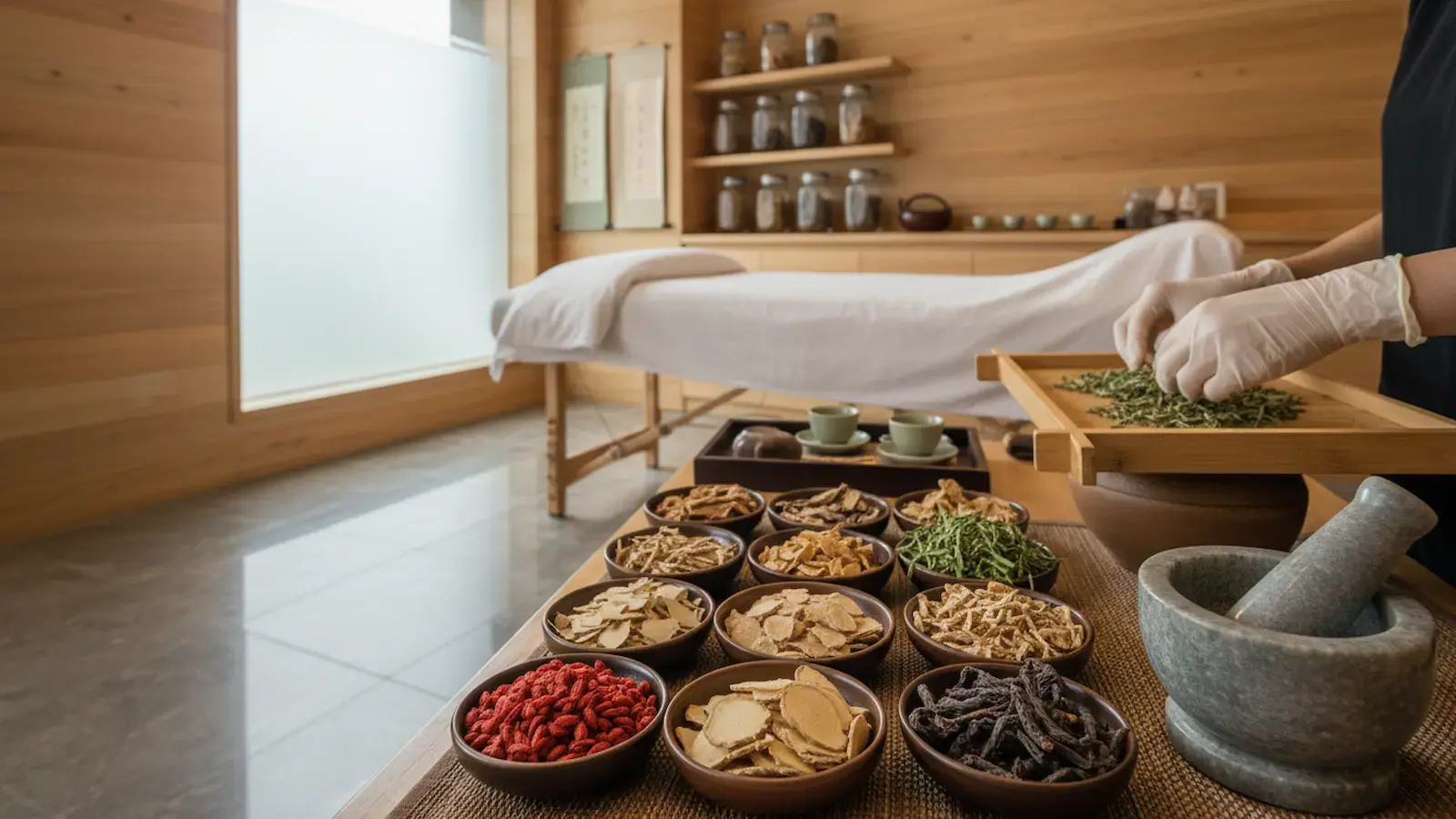
Traditional Chinese herbs come mainly from plant sources—roots, bark, seeds, flowers, and leaves—though historical Chinese pharmacopeias also describe mineral substances. In modern practice, herbs are most often dispensed as raw decoctions, granules, or pressed pills, chosen according to a person’s constitution and current pattern of imbalance.
How Traditional Chinese Herbs Work in TCM
Formulas, Not Single Herbs
It’s rare for a single herb to be used alone. Instead, a practitioner combines several herbs into a formula, where each ingredient plays a role: one may address the primary complaint, another supports digestion so the formula is well tolerated, and another helps balance the overall effect. This layered approach is one of the defining features of Chinese herbal medicine.
Matching Herbs to the Pattern
A formula is only as good as the diagnosis behind it. Two people with the same Western label—say, lower back pain—may receive different formulas because their underlying patterns differ. One person’s pain may stem from Qi and Blood stagnation, while another’s may relate to a deficiency pattern affecting the lower back and knees. This is why a thorough intake, tongue observation, and pulse reading come before any formula is written.
Common Traditional Chinese Herbs and Their Uses
Book a time
Pick a time that suits you.
Book a time- Phone: (647) 346-2780
- Email: jasontcm@traditionalhealingcentre.com
- Address: 213 Queensway S. Unit 400, Keswick, Ontario, L4P2A7
Related articles
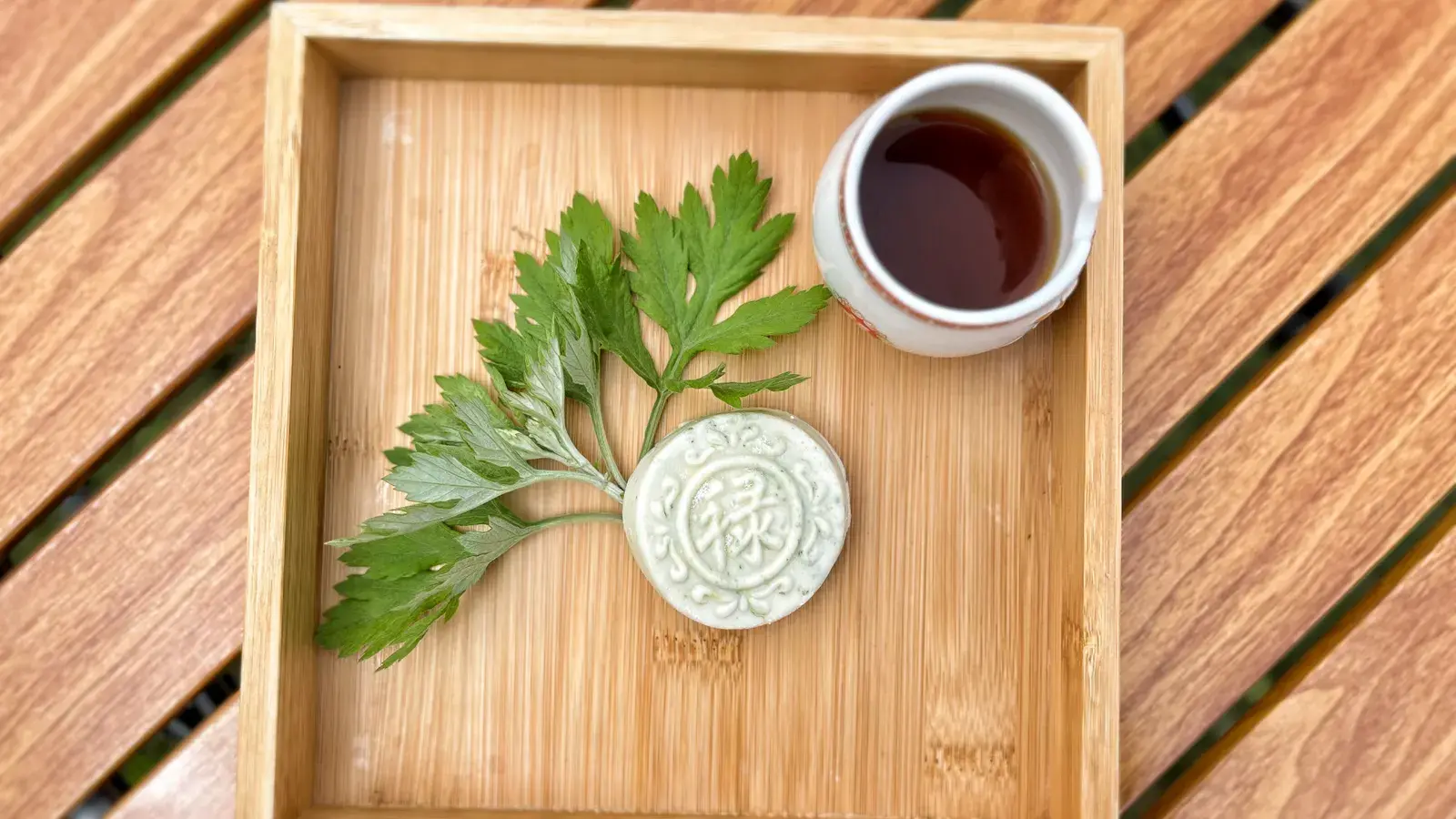
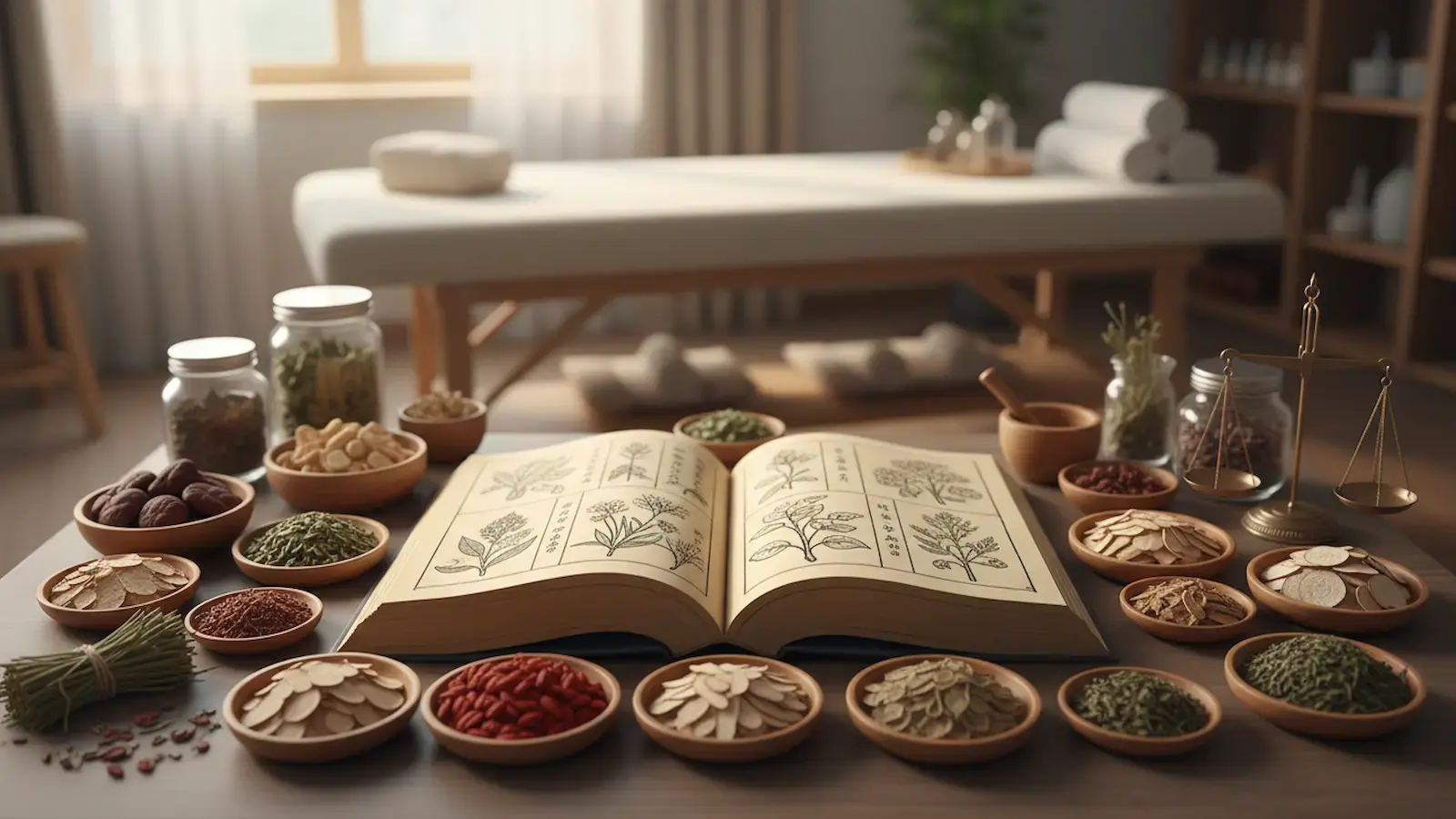
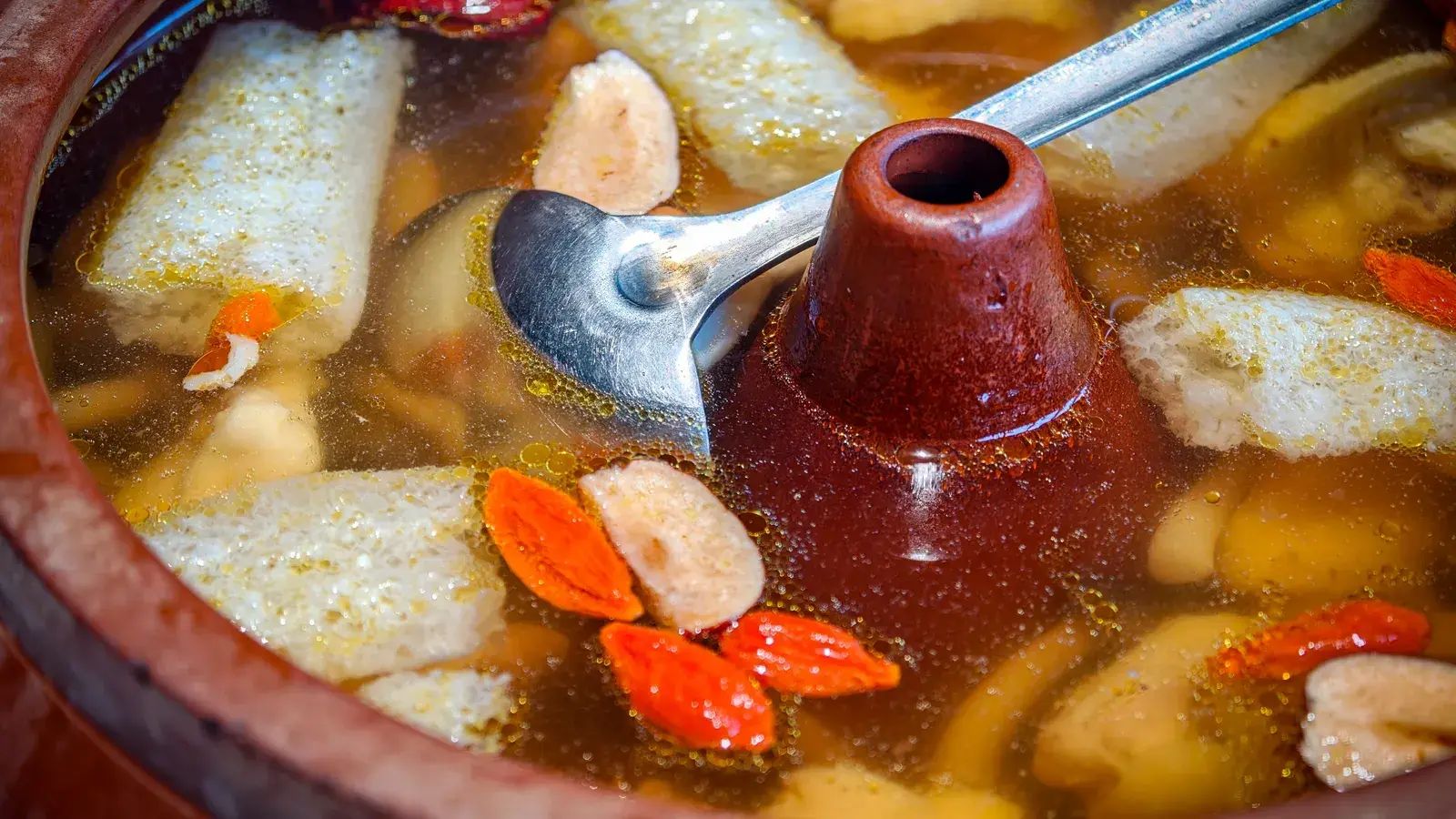
Some herbs appear often across many formulas because of their broad, gentle actions, while others are reserved for specific patterns. For a closer look at individual herbs and what they’re traditionally used for, I’ve put together a reference guide: Common Chinese Herbs and What They’re Used For.
Traditional Chinese Herbs for Common Concerns
Chronic Pain
For people managing back pain, sciatica, or knee pain, herbal formulas are often used to support the effects of acupuncture and Tuina massage by addressing Qi and Blood stagnation from within. If you’d like to understand how massage techniques fit into a broader pain management approach, I’ve written a guide on Pain Relief Massage: A Traditional Chinese Medicine Guide.
Digestive, Sleep, and Stress Concerns
Formulas aimed at digestive complaints, restless sleep, or stress-related symptoms are built around the specific pattern involved—whether that’s a Spleen Qi deficiency affecting digestion or a Liver Qi stagnation pattern contributing to tension and poor sleep.
Menstrual Concerns
Herbal medicine has a long history of use for menstrual irregularities and discomfort. I’ve covered this topic in more depth in TCM for Menstrual Cramps: Herbs, Acupuncture and What Helps.
What to Expect During a Visit
Every visit starts with questions—about your main complaint, your sleep, digestion, stress levels, and general health—followed by a look at your tongue and a reading of your pulse. From there, I work out the pattern behind your symptoms, not just the symptoms themselves, and select or adjust a formula to match. A course of treatment is then reviewed and refined as your pattern shifts over time.
Safety and Working with a Qualified Practitioner
Herbs are active substances, and some can interact with medications or aren’t appropriate during pregnancy or with certain health conditions. I ask about any medications or supplements you’re taking so I can recommend a formula that fits safely alongside your broader care, and I encourage patients to keep their physician informed about any herbal medicine they’re using.
Why Diagnosis Matters at Traditional Healing Centre
At Traditional Healing Centre in Keswick, every treatment plan starts from your own TCM diagnosis, never an off-the-shelf protocol. Alongside Chinese Herbal Medicine, I offer Acupuncture, Chinese Cupping, Moxibustion, Tuina massage, and Cosmetic Acupuncture, all drawn from the same diagnostic process so that each part of your course of treatment works toward the same goal.
Ready to book, or have a question?
Book with Traditional Healing CentreIn this series
- A Chinese Herb Guide: Understanding Traditional Formulas
- Are Chinese Herbs Safe to Take?
- Chinese Herbs to Lose Weight: What Actually Helps
- Common Chinese Herbs and What They’re Used For
- Choosing a Traditional Chinese Medicine / Herbs Book
- Organic Chinese Herbs Canada: What to Know Before You Buy
- Chinese Fertility Herbs: How Traditional Medicine Approaches Them
- Chinese Herbs for Gallbladder Support: What to Know
- Chinese Herbs History: From Ancient Roots to Modern Care
- Rosacea Chinese Herbs: How TCM Approaches Facial Flushing
- Chinese Herbs for Menopause: What to Know Before You Start
- Traditional Chinese Herbs: What They Treat and How They Work