
Organic Chinese Herbs Canada: What to Know Before You Buy
In short
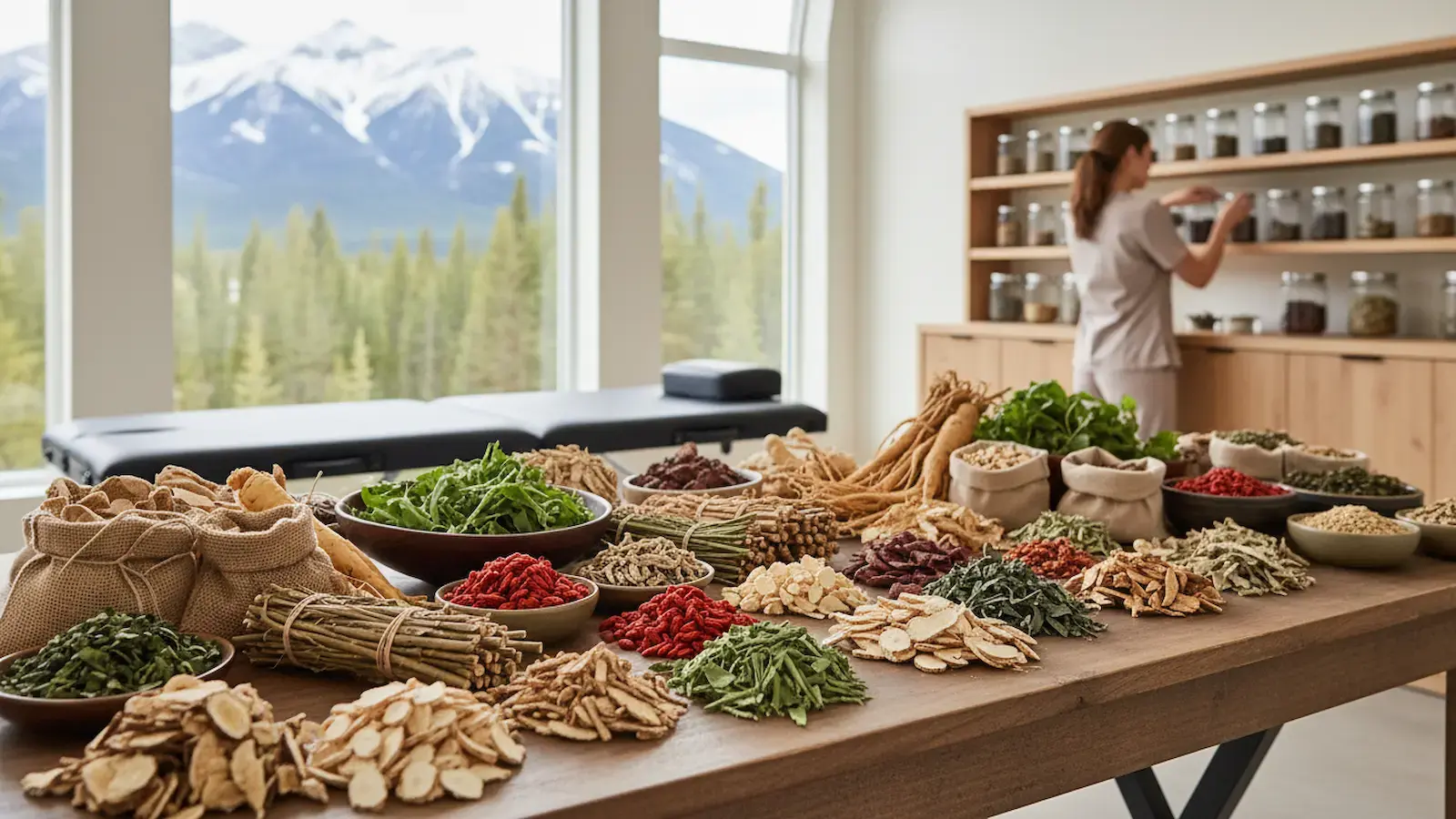
Organic Chinese herbs can be found in Canada through licensed Traditional Chinese Medicine clinics and specialty herbal suppliers, though certification standards vary from one source to another. The "organic" label matters less on its own than the herb's overall quality, sourcing, and whether it matches your individual pattern. Working with a qualified practitioner helps ensure the herbs you receive are both safe and suited to your needs.
The search for organic Chinese herbs Canada residents can trust often starts with a simple question: how do I know what I’m actually putting in my body? Chinese herbal medicine has been used for centuries to address everything from digestive complaints to chronic pain, but not all herbal products on the market today are prepared or sourced the same way. Understanding how formulas are built, where the herbs come from, and why a proper diagnosis matters can help you make a more informed choice.
In this article
Understanding Organic Chinese Herbs in Canada
What “Organic” Means for Chinese Herbal Medicine
When people ask about organic Chinese herbs, they are usually looking for products grown without synthetic pesticides or fertilizers, free of unnecessary additives, and tested for purity. In Canada, herbal products intended for therapeutic use fall under Health Canada’s natural health product regulations, which cover safety and labeling but do not always address organic certification specifically. That means the word “organic” on a package can reflect different standards depending on the supplier and the country where the herb was grown.
Why Sourcing Matters for Quality and Safety
Chinese herbs are agricultural products, so their quality depends heavily on where and how they are grown, harvested, and processed. Herbs sourced from reputable suppliers that test for heavy metals, pesticide residue, and microbial contamination tend to offer more consistent potency and safety. This is one reason working with a practitioner who sources formulas carefully, rather than purchasing herbs from an unverified online retailer, is worth considering.
How Chinese Herbal Formulas Are Used in Practice
Formulas Are Tailored, Not Off-the-Shelf
A formula in Traditional Chinese Medicine is rarely a single herb taken in isolation. It’s typically a combination of several herbs chosen to work together, adjusted based on a person’s specific pattern. This is why every treatment plan I create starts from the patient’s own Traditional Chinese Medicine diagnosis rather than a generic recommendation. Two people with similar symptoms, such as lower back pain, may receive different formulas depending on whether their pattern points to Qi and Blood stagnation, Kidney deficiency, or another underlying cause.
Common Herbs You May Encounter
Book a time
Pick a time that suits you.
Book a time- Phone: (647) 346-2780
- Email: jasontcm@traditionalhealingcentre.com
- Address: 213 Queensway S. Unit 400, Keswick, Ontario, L4P2A7
Related articles
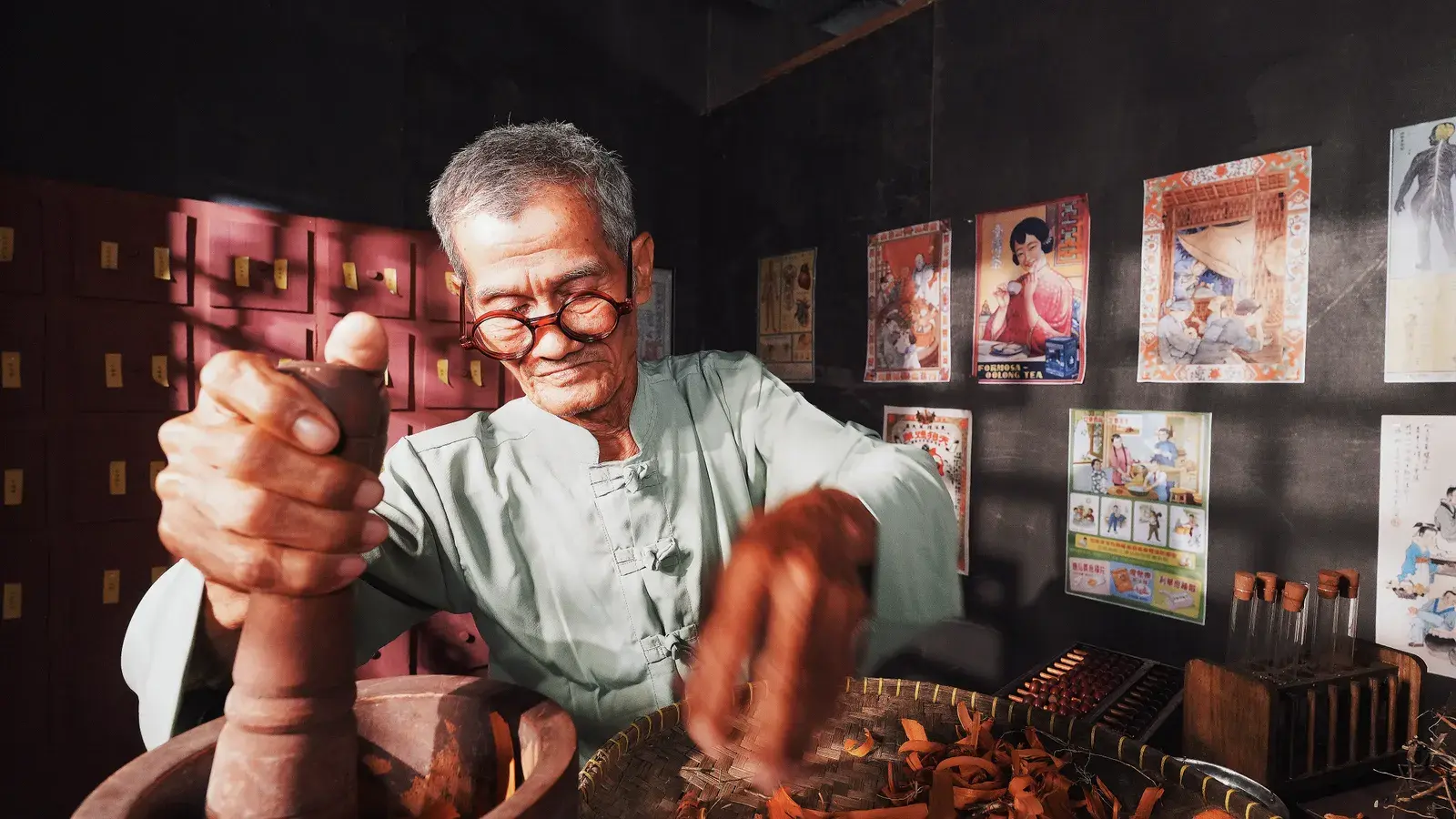
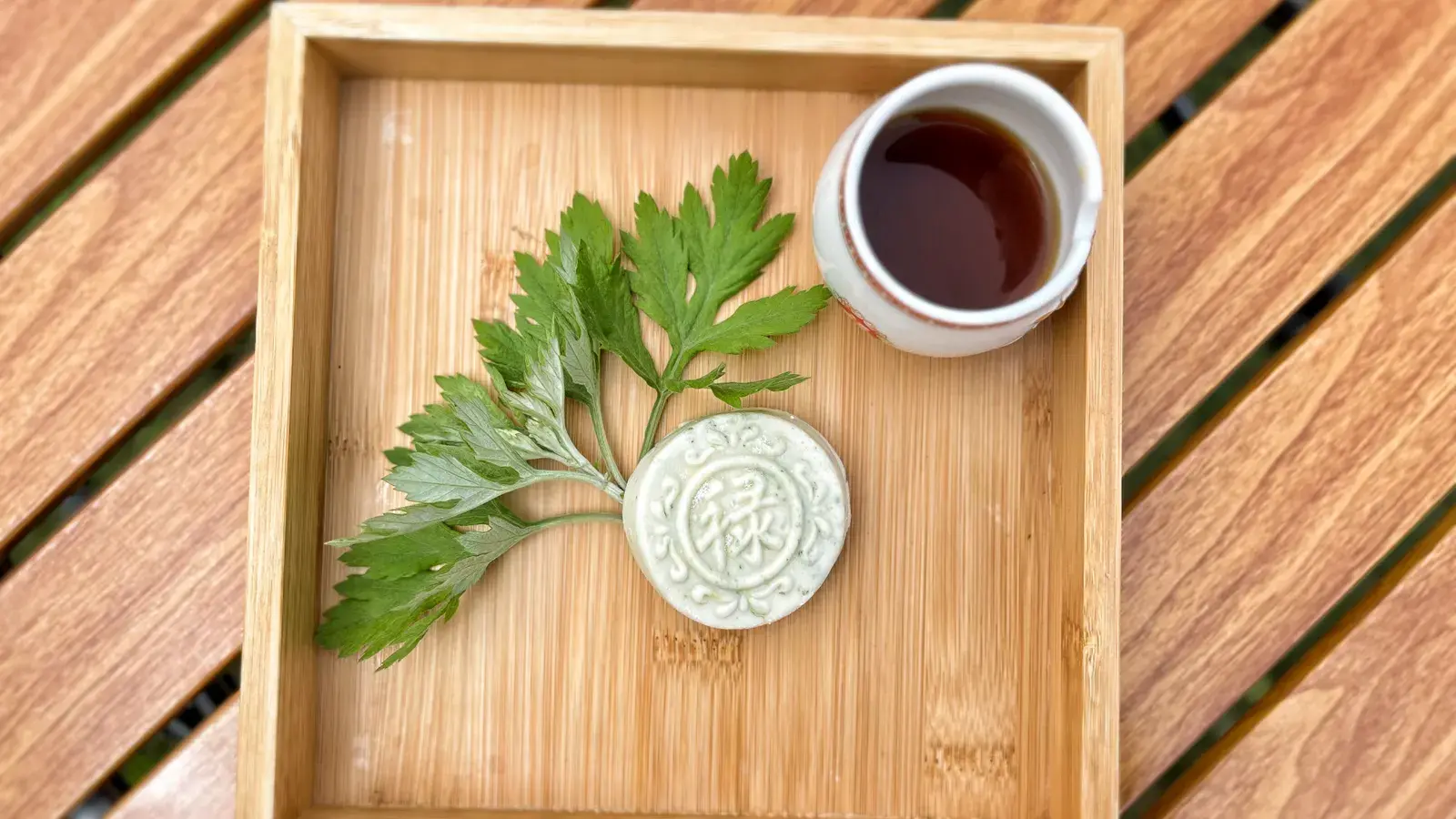
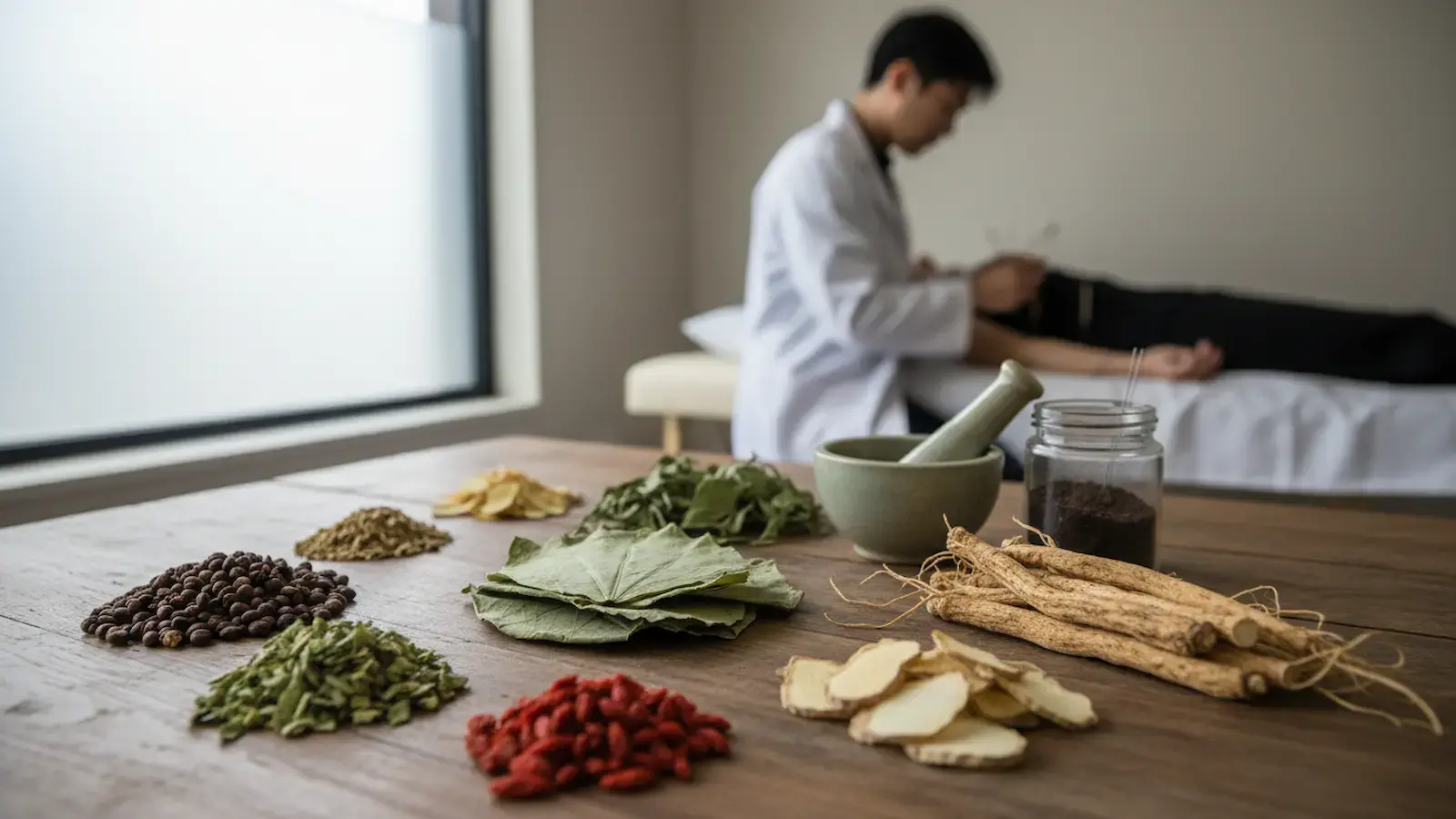
Herbs like Dang Gui, Huang Qi, and Gan Cao appear frequently across different formulas, each serving a distinct role within the combination. If you’re curious about specific herbs and what they’re traditionally used for, our guide on common Chinese herbs and what they’re used for offers a helpful starting point before your visit.
Finding Organic Chinese Herbs in Canada
What to Look for in a Clinic or Supplier
When evaluating where to obtain Chinese herbs, ask about sourcing practices, whether the supplier tests for contaminants, and how formulas are customized to the individual. A clinic that relies on a full intake, including questions about your health history, a look at your tongue, and a reading of your pulse, is better positioned to recommend a formula suited to your pattern rather than a one-size-fits-all product.
Why Traditional Healing Centre’s Approach Fits Here
At Traditional Healing Centre in Keswick, Ontario, Chinese herbal medicine is offered alongside acupuncture, Chinese cupping, moxibustion, and Tuina massage, with every formula built from a patient’s own diagnosis. This approach reflects the broader principle discussed throughout this article: herbs work best when matched carefully to the person taking them, not selected off a shelf.
Safety Considerations When Using Chinese Herbs
Working With a Qualified Practitioner
Because herbal formulas can interact with certain medications or health conditions, it’s important to discuss your full health history with a practitioner before starting any course of treatment. This conversation also helps identify which herbs are appropriate for your pattern and which should be avoided.
Interactions and Quality Control
Reputable practitioners source their herbs from suppliers with established quality control processes and stay informed about potential interactions. If you’d like to learn more about selecting reliable information on Chinese herbal medicine, our post on choosing a Traditional Chinese Medicine or herbs book covers what to look for in trustworthy resources. For related skin concerns that sometimes respond to herbal and acupuncture approaches, see our article on Chinese Medicine patterns, herbs, and acupuncture for rosacea.
Ready to book, or have a question?
Book with Traditional Healing CentreIn this series
- A Chinese Herb Guide: Understanding Traditional Formulas
- Are Chinese Herbs Safe to Take?
- Chinese Herbs to Lose Weight: What Actually Helps
- Common Chinese Herbs and What They’re Used For
- Choosing a Traditional Chinese Medicine / Herbs Book
- Organic Chinese Herbs Canada: What to Know Before You Buy