
Chinese Fertility Herbs: How Traditional Medicine Approaches Them
In short
Chinese fertility herbs are herbal formulas used within Traditional Chinese Medicine to address patterns such as Kidney deficiency, Blood deficiency, or Qi stagnation that may be linked to fertility concerns. They are prescribed as part of an individualized formula based on a practitioner's diagnosis, not as a single herb or quick fix, and they are often used alongside acupuncture.
Couples exploring natural ways to support reproductive health often come across chinese fertility herbs mentioned in older TCM texts, wellness blogs, and herbal shops. What gets lost in a lot of that discussion is that these herbs were never meant to be taken as a one-size-fits-all remedy. In Traditional Chinese Medicine, a formula is built around a person’s specific pattern, and that pattern can look different from one patient to the next even when the underlying concern, such as irregular cycles or difficulty conceiving, appears similar on the surface.
In this article
What Are Chinese Fertility Herbs?
The phrase covers a broad range of herbs that have traditionally been combined into formulas aimed at supporting the body’s reproductive function. They are not a single product or pill, and they are rarely used alone.
How They Fit Into Traditional Chinese Medicine
In TCM theory, fertility is closely tied to the health of the Kidney, Liver, and Spleen systems, along with the balance of Qi and Blood throughout the body. Herbs are chosen to nourish or move these substances depending on what a practitioner finds during an assessment. For readers who want a broader sense of how individual herbs are used, the Common Chinese Herbs and What They’re Used For page outlines several herbs and their traditional roles.
Common Patterns Linked to Fertility Concerns
A practitioner looks for patterns, not just symptoms, before recommending any herb.
Kidney Qi and Essence Deficiency
Book a time
Pick a time that suits you.
Book a time- Phone: (647) 346-2780
- Email: jasontcm@traditionalhealingcentre.com
- Address: 213 Queensway S. Unit 400, Keswick, Ontario, L4P2A7
Related articles
In TCM, the Kidney system is considered the root of reproductive energy. When Kidney Qi or Essence is seen as depleted, a person may experience fatigue, low back soreness, or irregular cycles alongside fertility concerns. Herbs in this category are typically chosen to nourish and strengthen this system over time.
Qi and Blood Stagnation
Rather than describing circulation in purely physical terms, TCM refers to Qi and Blood stagnation when movement through the body’s channels is sluggish. This pattern is often associated with cramping, clotting, or a sense of tightness, and the herbal approach focuses on encouraging smoother flow.
Liver Qi Stagnation
The Liver system in TCM is linked to the smooth flow of Qi and emotional balance. Stress, tension, and irregular cycles are commonly associated with this pattern, and formulas addressing it often aim to ease that constraint.
Herbs Often Used to Support Fertility
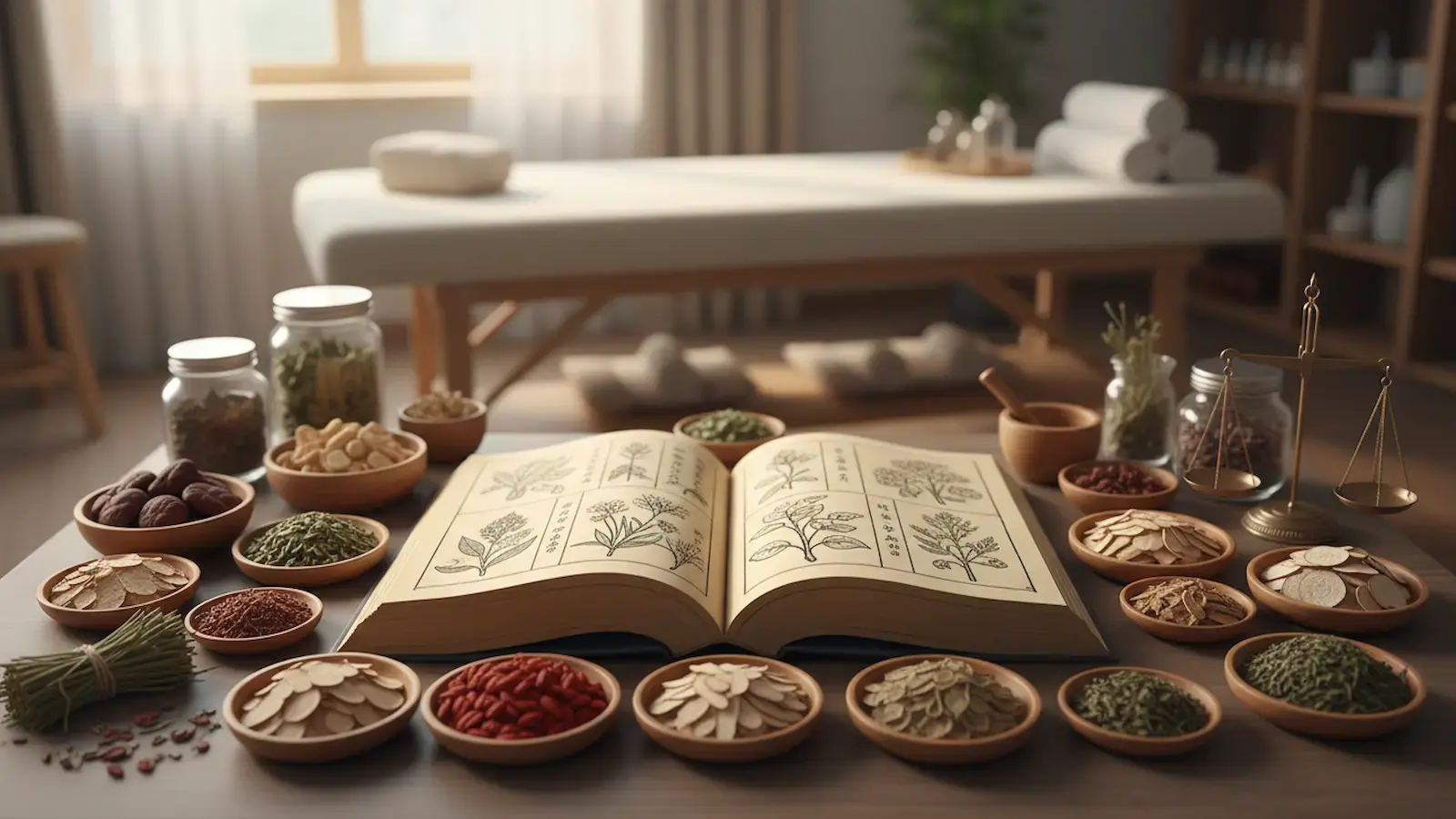
Herbs such as Dong Quai, White Peony, and Goji Berry appear frequently in fertility-related formulas, each chosen for how it relates to Blood nourishment or Kidney support. Other herbs may be added or removed depending on the individual’s pulse, tongue appearance, and overall constitution.
Working From a Personalized Formula
Because two people with similar fertility concerns can present very different patterns, a formula built for one patient is rarely identical to one built for another. This is a core principle in Chinese herbal medicine, and it’s also reflected in how treatment plans are put together at Traditional Healing Centre, where every formula starts from the patient’s own Traditional Chinese Medicine diagnosis rather than an off-the-shelf protocol.
Acupuncture and Herbal Medicine Together
Herbal formulas are often paired with acupuncture, since both approaches work toward the same goal of supporting balanced Qi and Blood. Acupuncture may be used to address stagnation or tension, while herbs work more gradually to nourish deficient systems.
Why a Tailored Diagnosis Matters
A full diagnosis involves a lot of questions about health history, a look at the tongue, and a reading of the pulse. This process is how a practitioner works out which pattern is present, which in turn shapes both the herbal formula and the acupuncture points selected for a visit.
What to Expect During a Visit
A first visit typically includes a detailed intake, followed by the tongue and pulse assessment mentioned above. From there, a practitioner explains which pattern seems to be at play and what a course of treatment might involve.
Building a Course of Treatment
Formulas are usually adjusted over several visits as the practitioner reassesses the pattern and tracks how the body is responding. This is a gradual process, and it’s one reason why herbal medicine is approached as an ongoing course of treatment rather than a single remedy.
When to Talk With Your Doctor Too
Fertility is a medical topic as well as a TCM one, and herbal formulas work best as a complement to the care a reproductive specialist or family doctor is already providing. Sharing what herbs are being taken, and when, helps keep everyone involved informed.
Ready to book, or have a question?
Book with Traditional Healing CentreIn this series
- A Chinese Herb Guide: Understanding Traditional Formulas
- Are Chinese Herbs Safe to Take?
- Chinese Herbs to Lose Weight: What Actually Helps
- Common Chinese Herbs and What They’re Used For
- Choosing a Traditional Chinese Medicine / Herbs Book
- Organic Chinese Herbs Canada: What to Know Before You Buy
- Chinese Herbs History: From Ancient Roots to Modern Care
- Chinese Fertility Herbs: How Traditional Medicine Approaches Them