
Chinese Herbs History: From Ancient Roots to Modern Care
In short
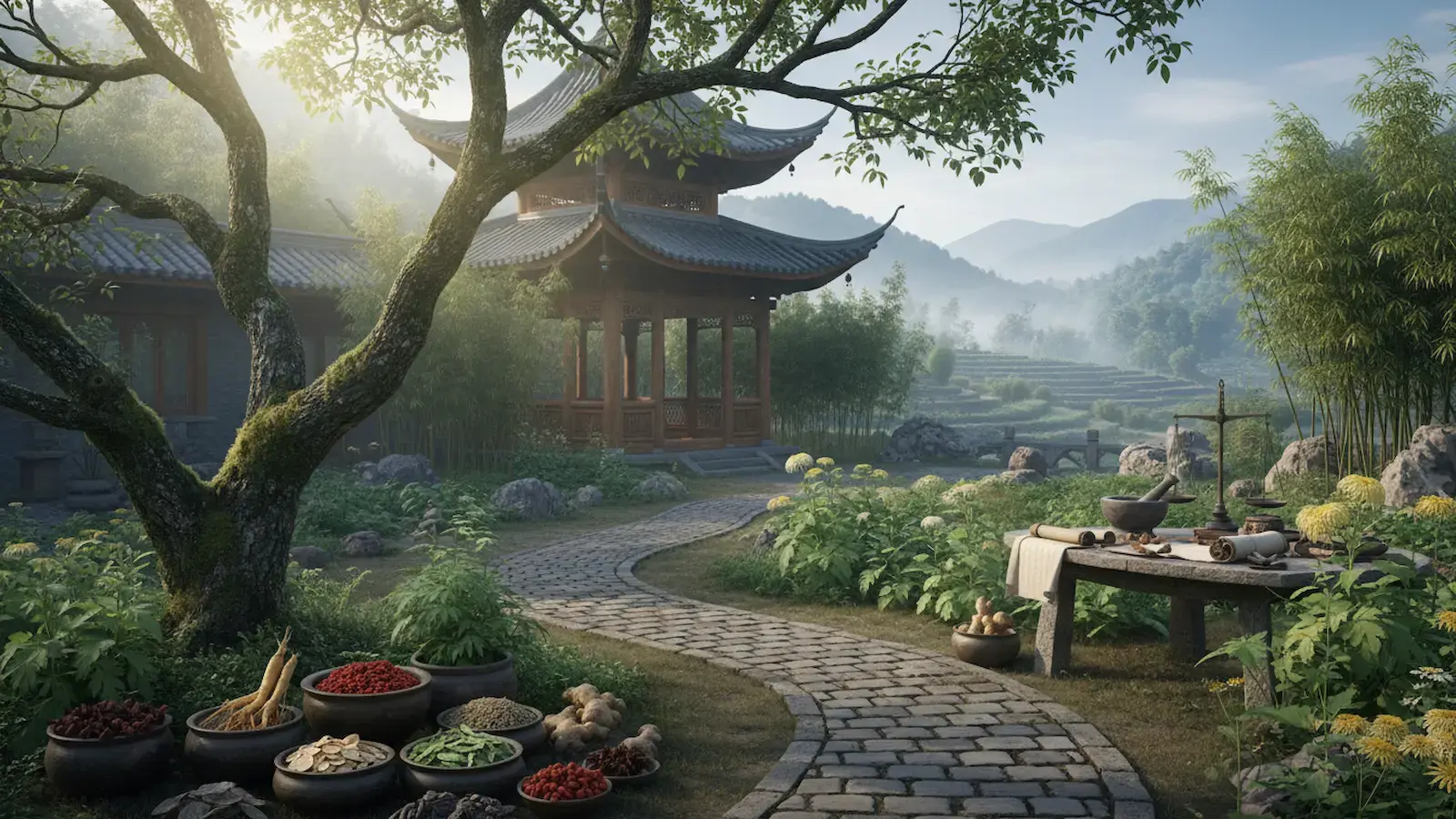
Chinese herbs history stretches back more than two thousand years, beginning with observations recorded in early medical texts and growing into a vast system of diagnosis-based formulas. Over centuries, physicians tested and refined these herbs, compiling their findings into reference works that still guide practitioners today. Modern Chinese herbal medicine builds directly on this long record of trial, observation, and refinement.
The story of chinese herbs history is less about a single discovery and more about generations of careful observation passed from teacher to student. Long before laboratories existed, physicians watched how plants, minerals, and animal substances affected the body, recorded what they saw, and handed that knowledge forward. What survives today is the result of that patient, cumulative process.
In this article
A Tradition Rooted in Observation
From Myth to Medicine
Chinese herbal medicine is often traced back to the legendary figure Shen Nong, said to have tasted hundreds of plants to learn which ones helped and which ones harmed. Whether taken as history or as a teaching story, it reflects how this system of medicine actually developed: through direct, repeated observation of how the body responds to a substance.
Early Written Records
The earliest surviving texts organized this growing body of knowledge into something practitioners could study and apply. These works did not simply list plants; they connected each one to the patterns of imbalance it addressed, laying the groundwork for the diagnosis-first approach that still defines Chinese herbal medicine. Readers curious about how this works in practice may find it helpful to review A Chinese Herb Guide: Understanding Traditional Formulas, which explains how individual herbs come together into a formula suited to a specific pattern.
How Herbal Knowledge Grew Over the Centuries
The Compendium of Materia Medica
Perhaps the most significant milestone in chinese herbs history is the Compendium of Materia Medica, compiled in the sixteenth century. This sweeping reference catalogued thousands of substances along with their properties and uses, drawing on centuries of recorded clinical experience. It remains one of the most referenced works in the history of Chinese medicine and shaped how later physicians approached herbal study.
Formulas Passed Through Generations
Book a time
Pick a time that suits you.
Book a time- Phone: (647) 346-2780
- Email: jasontcm@traditionalhealingcentre.com
- Address: 213 Queensway S. Unit 400, Keswick, Ontario, L4P2A7
Related articles
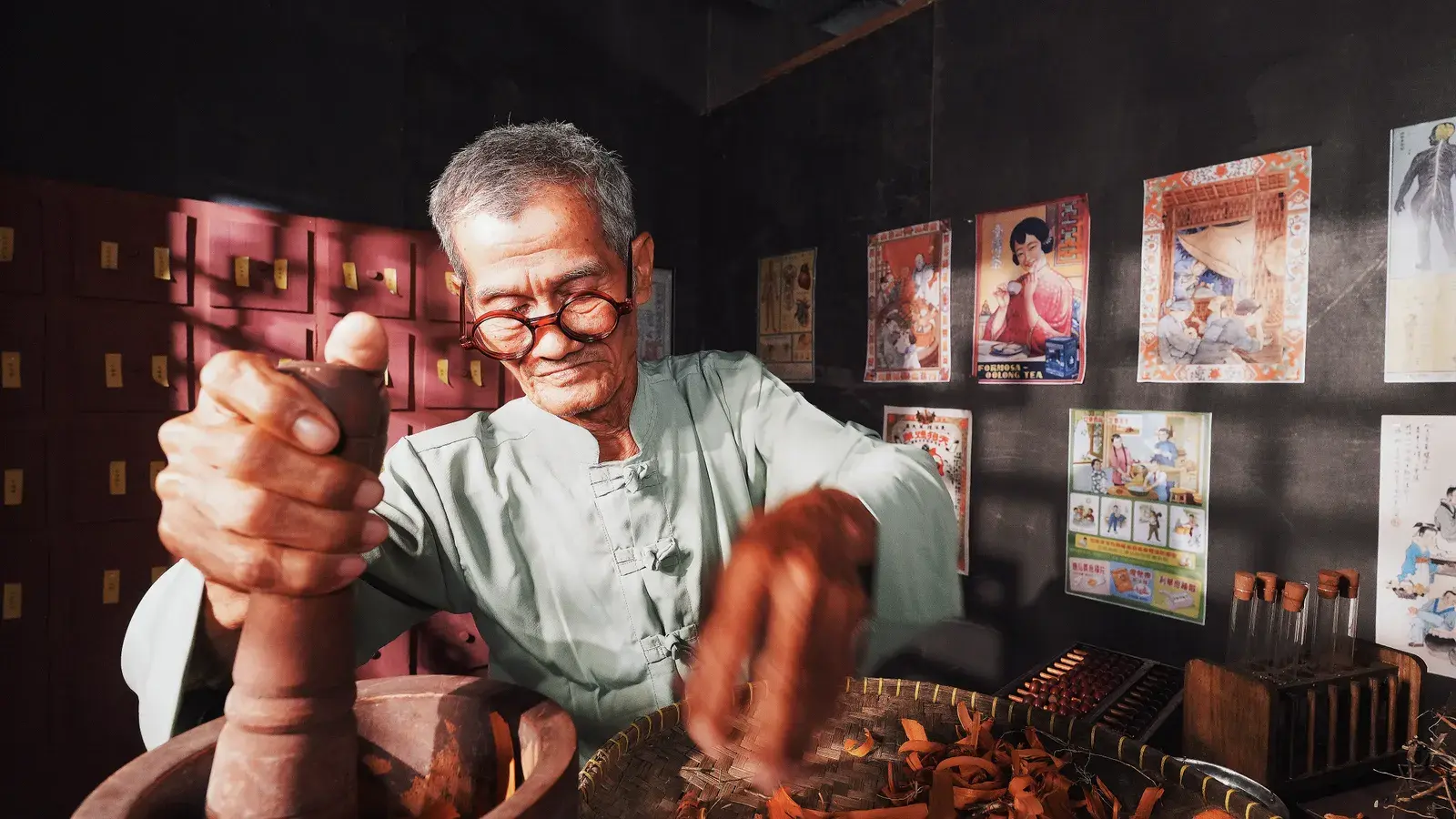
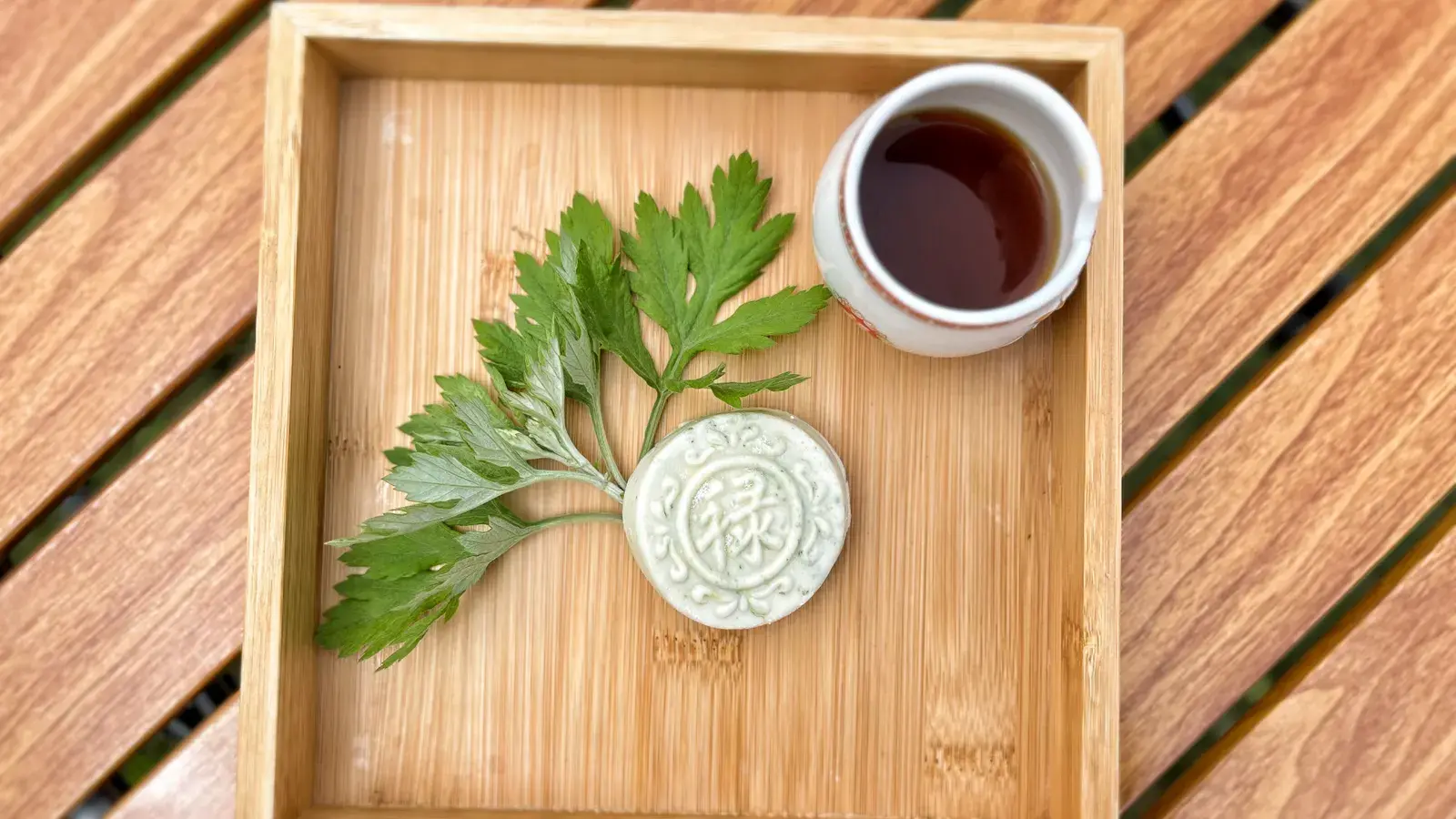
As knowledge accumulated, physicians did not just document single herbs; they recorded combinations, known as formulas, built to address specific patterns such as Qi and Blood stagnation. Many of the formulas still prescribed today trace their origin to these historical texts, refined and adapted by generations of practitioners who tested them in clinical settings.
Chinese Herbal Medicine Today
A Living Practice, Not a Relic
Chinese herbal medicine has not stayed frozen in its ancient form. It continues to be practiced, taught, and adapted by trained practitioners who combine historical formulas with an individual diagnosis of each patient’s pattern. This is an important distinction: a formula that worked historically for a documented pattern is still matched to the person in front of the practitioner today, not applied as a generic remedy. For readers who want to explore this further, Choosing a Traditional Chinese Medicine / Herbs Book offers guidance on finding reliable resources.
Where This History Meets Modern Practice
I find that understanding this long history helps patients make sense of why a Chinese herbal medicine visit looks the way it does. At Traditional Healing Centre in Keswick, Ontario, every treatment plan starts from the patient’s own Traditional Chinese Medicine diagnosis, never an off-the-shelf protocol. Jason Tarter, R.TCMP, R.Ac, has been in practice for 18 years and combines acupuncture with custom herbal formulas written for the individual patient. Jason also runs the herbal dispensary that fills the formulas he prescribes, which means the connection between diagnosis and formula is kept under one roof. This approach reflects the same principle that shaped Chinese herbs history from the beginning: the formula follows the pattern, not the other way around.
If you are wondering whether herbs are appropriate for your situation, Are Chinese Herbs Safe to Take? addresses common questions about safety and use.
What to Expect From a Modern Herbal Consultation
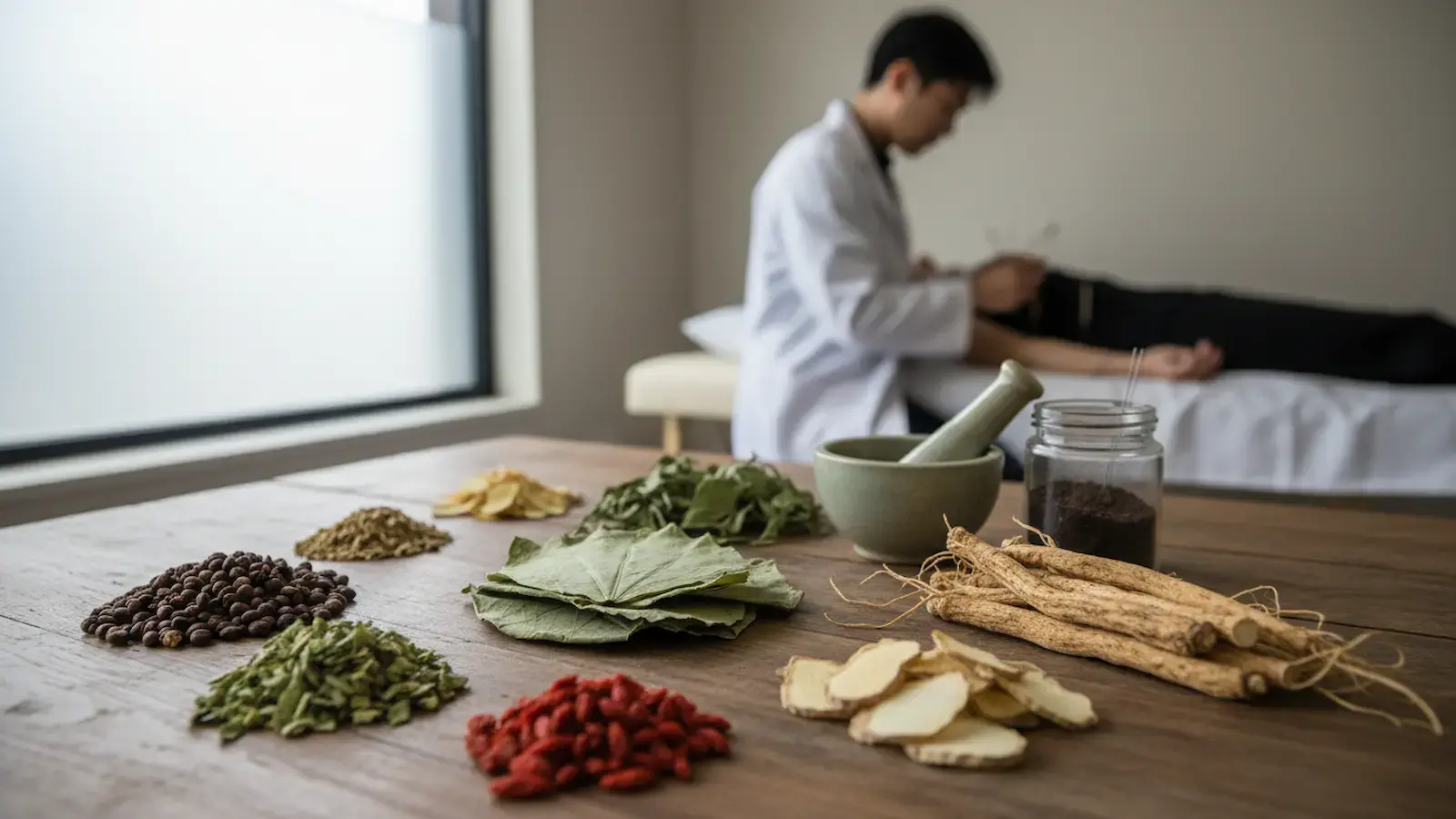
A visit typically begins the way it has for centuries: with questions about your health, a look at your tongue, and a reading of your pulse. From there, a pattern is identified, and a formula is selected or adjusted to address it. Most patients plan on five to ten treatments to judge progress, since herbal and acupuncture care builds gradually rather than all at once. Many extended health plans cover acupuncture and Chinese medicine services, and receipts are issued by a Registered Acupuncturist (R.Ac) and Registered Traditional Chinese Medicine Practitioner (R.TCMP), which can be submitted where coverage applies.
Chinese herbs history is a record of careful observation carried forward by each generation of practitioners who tested, refined, and documented what they learned. That same careful, pattern-based approach continues in clinics today, connecting centuries of recorded experience to the care a patient receives in a single visit.
Ready to book, or have a question?
Book with Traditional Healing CentreIn this series
- A Chinese Herb Guide: Understanding Traditional Formulas
- Are Chinese Herbs Safe to Take?
- Chinese Herbs to Lose Weight: What Actually Helps
- Common Chinese Herbs and What They’re Used For
- Choosing a Traditional Chinese Medicine / Herbs Book
- Organic Chinese Herbs Canada: What to Know Before You Buy
- Chinese Herbs History: From Ancient Roots to Modern Care