
In short
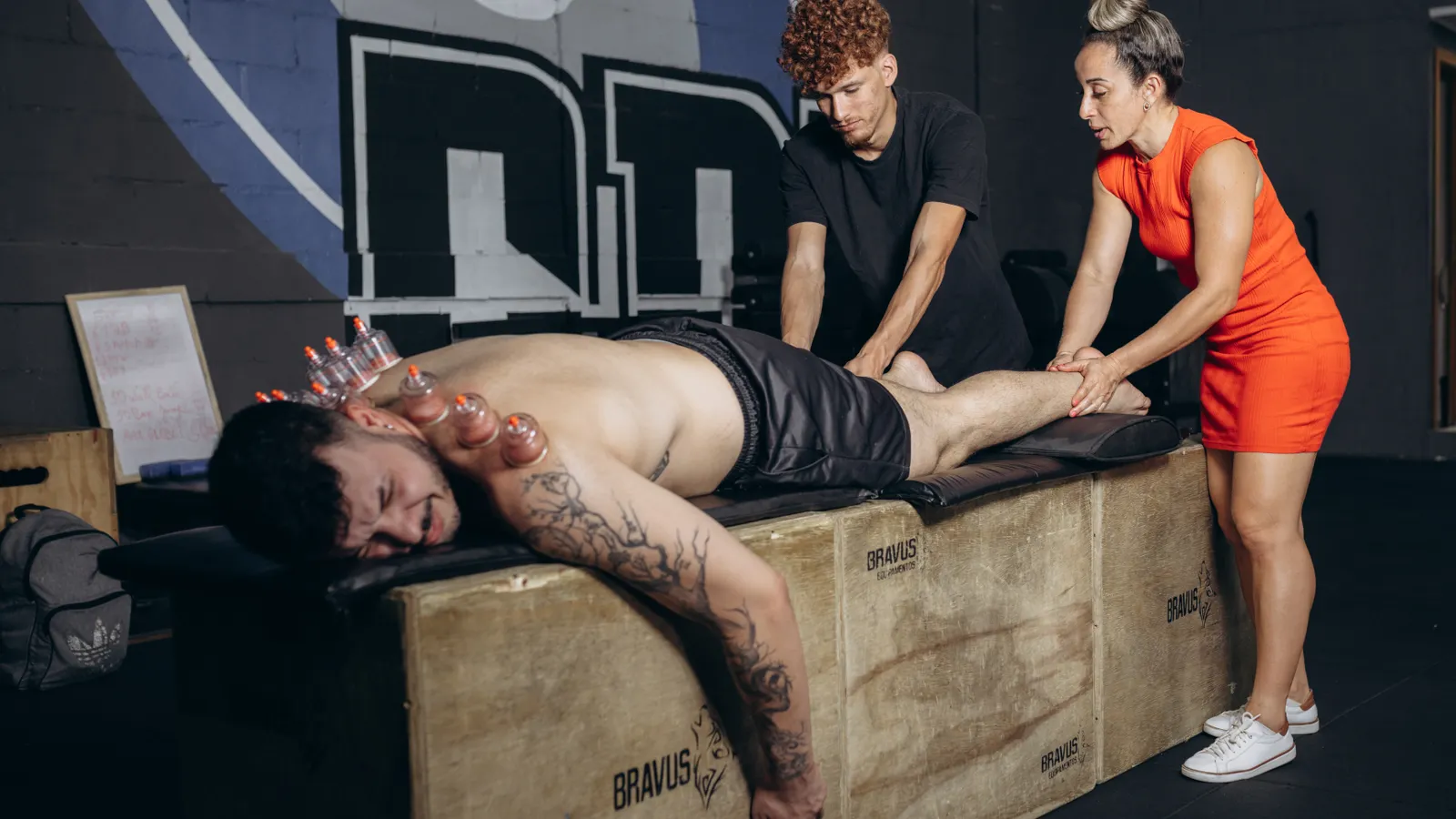
Athletes cupping therapy uses suction cups placed on the skin to draw blood flow toward tight or overworked muscles, which may ease stiffness and support recovery between training sessions. It's commonly used on the back, shoulders, and legs after hard workouts or competitions. It works best as part of a broader recovery plan, not as a standalone fix for performance.
Cupping marks on an athlete's shoulders or back have become a familiar sight at major competitions, from swimming to track and field. The round bruises that show up after a session have made many people curious about what cupping actually does and whether it's worth adding to a training routine. This article walks through how the technique works, what a session typically involves, and where it fits alongside other recovery methods.
In this article
What Athletes Cupping Therapy Involves
Cupping is one of the older techniques within Traditional Chinese Medicine, traditionally used to address Qi and Blood stagnation in the muscles and connective tissue. For athletes, it has found a more specific use: targeting the areas that take the most repetitive load, such as the shoulders of a swimmer or the hamstrings of a sprinter.
How the Suction Works
A practitioner places a glass, plastic, or silicone cup against the skin and creates suction, either with heat or a hand pump. The suction lifts the skin and the layer of tissue just beneath it slightly into the cup. This pulls blood flow toward the area, which is thought to loosen tight muscle fibers and ease the sensation of tension that builds up after repeated training sessions. The cups are usually left in place for several minutes, or moved slowly across the muscle in what's sometimes called gliding or massage cupping, a technique covered in more detail in Cupping Therapy Massage: What It Is and How It Works.
Common Treatment Areas
For athletes, the back, shoulders, calves, and thighs are the areas most often treated, since these carry the bulk of the mechanical load in running, lifting, and throwing sports. Neck and upper trapezius tightness is also common among athletes who carry stress in their posture, and that area is addressed in Cupping for Neck Pain.
Why Athletes Use Cupping Therapy
Muscle Recovery and Qi and Blood Stagnation
In Traditional Chinese Medicine terms, repetitive strain and overuse are understood as a buildup of Qi and Blood stagnation in the muscle. Cupping aims to move that stagnation by drawing fresh blood flow into the tissue. Many athletes use it after intense training blocks or before a competition, treating it as one part of a recovery plan rather than a replacement for proper rest, hydration, or stretching.
Range of Motion and Flexibility
Tightness in the hips, shoulders, and lower back can limit range of motion over a season of repeated training. Cupping is sometimes used alongside acupuncture or Tuina massage to address this tightness from more than one angle, since each technique approaches the muscle and connective tissue slightly differently.
What to Expect During a Session
Before Your Visit
A proper session should start with a conversation about which areas feel tight, how the body has been responding to training load, and what the overall pattern of symptoms looks like. This is also when a practitioner will ask about tongue and pulse signs, since cupping for athletes works best when it's chosen based on an individual pattern rather than applied the same way to every person.
After Your Visit
Round marks, ranging from light pink to a deeper purple, are common after cupping and usually fade within a week or two. Mild soreness in the treated area is also normal. Athletes are generally advised to stay hydrated and avoid intense training immediately after a session, giving the tissue time to settle.
Cupping Therapy Options for Athletes
Several approaches to cupping exist, and the right one depends on the pattern being treated and the athlete's training schedule.
Types of Cupping Used
- Traditional Healing Centre – offers Chinese Cupping as part of a treatment plan built from an individual Traditional Chinese Medicine diagnosis, often combined with acupuncture or Tuina massage.
- Stationary cupping – cups are placed and left still, often used on especially tight or localized areas.
- Gliding cupping – cups are moved across the muscle with oil, covering a broader area in one session.
Book a time
Pick a time that suits you.
Book a time- Phone: (647) 346-2780
- Email: jasontcm@traditionalhealingcentre.com
- Address: 213 Queensway S. Unit 400, Keswick, Ontario, L4P2A7
Related articles
Where Traditional Healing Centre Fits In
I'm Jason Tarter, a Registered Acupuncturist and Registered Traditional Chinese Medicine Practitioner with the College of Traditional Chinese Medicine Practitioners and Acupuncturists of Ontario, and I've been treating patients, including athletes managing training-related tightness, since 2008. Every treatment plan at Traditional Healing Centre starts from the patient's own Traditional Chinese Medicine diagnosis, never an off-the-shelf protocol, which means cupping is applied where the pattern calls for it rather than as a routine add-on. I often pair cupping with acupuncture or Tuina massage, and for athletes dealing with ongoing tightness, I typically suggest planning for five to ten visits to properly judge how the body is responding. Many extended health plans cover acupuncture and Chinese medicine services, and receipts are issued by a Registered Acupuncturist and Registered Traditional Chinese Medicine Practitioner for those submitting claims.
Getting the Most from Your Course of Treatment
Cupping works best when it's part of a consistent plan rather than a one-time session before a big event. Pairing it with adequate rest, sensible training loads, and attention to overall health tends to produce more noticeable results than relying on cupping alone.
Ready to book, or have a question?
Book with Traditional Healing CentreIn this series
- Fire Cupping: What It Is, Does It Hurt, and the Marks It Leaves
- How Often Should You Get Cupping?
- Cupping for Neck Pain
- Chinese Cupping Therapy at Home: What to Know First
- Cupping Therapy: How It Works and Who It Helps
- Cupping Side Effects, Bruises and Dangers: What's Normal
- Understanding the Cupping Procedure: What to Expect
- Facial Cupping Therapy: What It Is and How It Works
- Flame Cupping: How It Works and What to Expect
- Cupping Therapy Chinese Medicine: What to Expect
- Back Pain Cupping Therapy: What to Expect and How It Helps
- Cupping Placement Chart: What It Shows and Why It Varies
- Massage Cupping Therapy Near Me: What to Expect
- Chinese Cupping Near Me: What to Know Before You Book
- How Often Should You Do Cupping? A Practical Guide
- Cupping Therapy for Legs: Benefits and What to Expect
- Wet Cupping Benefits: What the Research Really Shows
- Chinese Cupping Benefits: What This Therapy Can Do for You
- Chinese Cupping Massage: Benefits, Process, and What to Expect
- Where to Place Cups for Cupping: A Regional Guide
- Is It Safe to Do Cupping on Neck Muscles?
- Cupping Therapy Video: What You'll See Before a Visit
- Chinese Fire Cupping Near Me: What to Know Before You Book
- Benefits of Ventosa Massage Cupping Therapy for Pain and Tension
- Fire Cupping vs Dry Cupping: What's the Real Difference?
- Chinese Cupping Weight Loss: What Traditional Chinese Medicine Says
- Chinese Cupping on Feet: What It Does and What to Expect
- Fire Cupping Back Treatment: What to Expect and Why It Helps
- Athletes Cupping Therapy: What It Is and How It Helps