
Does Cupping Therapy Work for Sciatica? A TCM Perspective
November 27, 2026 · Jason Tarter, R.TCMP, R.Ac

In short
Cupping therapy may help relieve sciatic pain by easing the Qi and Blood stagnation that Traditional Chinese Medicine associates with nerve-related leg and lower back pain. It is most often used alongside acupuncture rather than as a stand-alone treatment, and most people need a course of several visits before judging whether it is helping.
Sciatica, the sharp or burning pain that radiates from the lower back down through the hip and leg, sends many people searching for relief beyond what rest and over-the-counter medication can offer. One question that comes up often in that search is whether does cupping therapy work for sciatica, and if so, how it fits alongside other treatments a person might already be trying.
In this article
What Sciatica Pain Involves
Sciatica is not a disease in itself but a symptom pattern, usually caused by irritation or compression of the sciatic nerve as it exits the lower spine. In conventional terms, this can come from a herniated disc, spinal stenosis, or muscle tightness pressing on the nerve. In Traditional Chinese Medicine, the same symptoms are understood through the lens of Qi and Blood stagnation along the channels that run through the lower back, hip, and leg. When Qi and Blood fail to move freely, the result is the pain, tingling, or numbness that people recognize as sciatica.
Does Cupping Therapy Work for Sciatica?
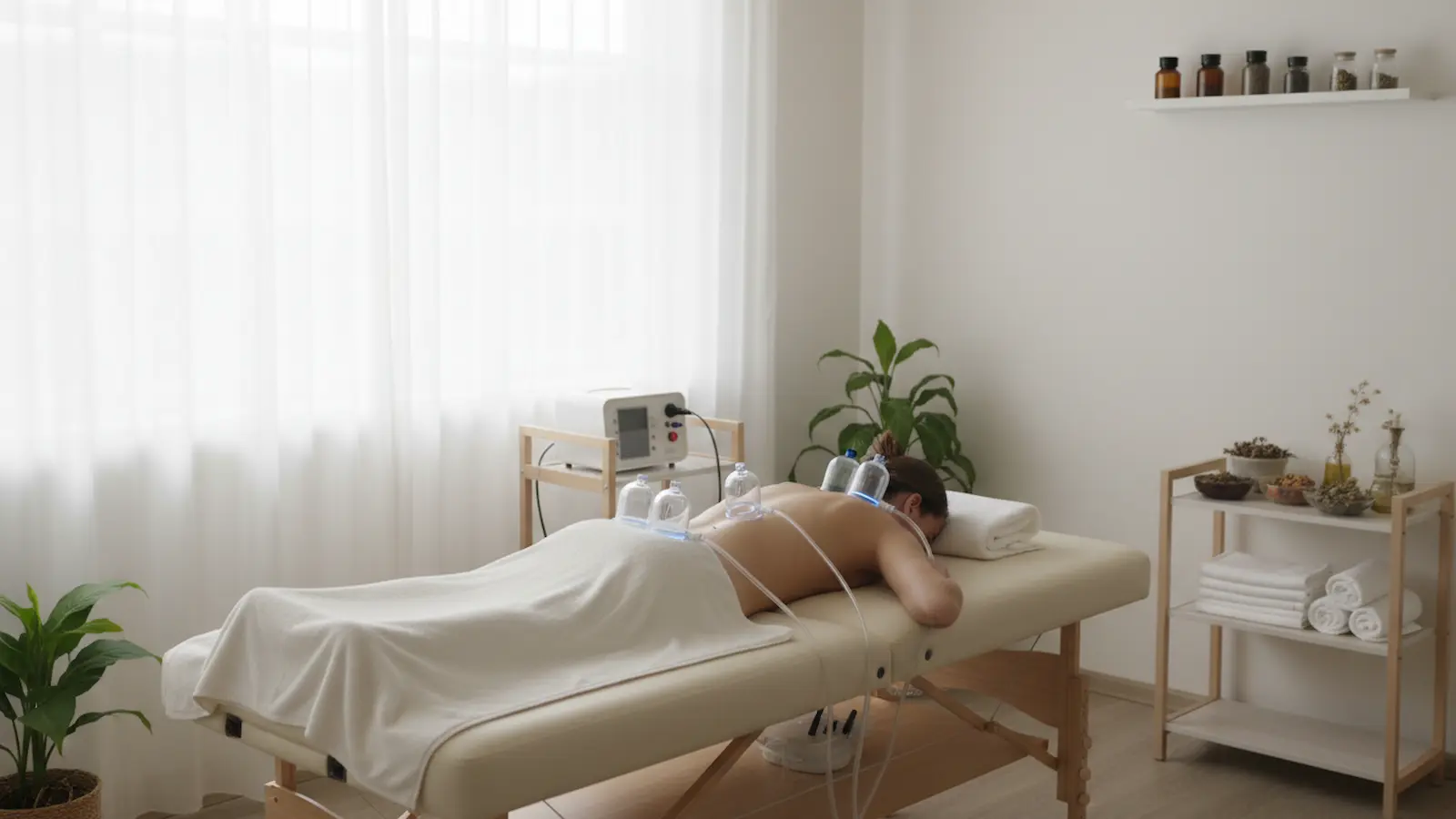
Cupping works by creating suction on the skin, drawing underlying tissue upward into the cup. This is thought to help move stagnant Qi and Blood, relax tight muscles along the affected channel, and encourage the kind of local circulation that supports the body's own healing response.
How Cupping May Help Qi and Blood Stagnation
For sciatica specifically, cups are often placed along the lower back and hip, following the course of the Bladder or Gallbladder channel, since these channels correspond closely to the path the sciatic nerve takes through the body. Loosening the muscle tension that can contribute to nerve compression is part of why practitioners consider cupping a reasonable addition to a sciatica treatment plan, not a one-time fix.
What the Research Suggests
Book a time
Pick a time that suits you.
Book a time- Phone: (647) 346-2780
- Email: jasontcm@traditionalhealingcentre.com
- Address: 213 Queensway S. Unit 400, Keswick, Ontario, L4P2A7
Related articles


Cupping has been studied for several types of musculoskeletal pain, including lower back pain, with some trials reporting reductions in pain intensity when cupping was added to usual care. The evidence specific to sciatica is more limited, and cupping is generally viewed as a complementary technique rather than a replacement for a full diagnostic workup. Anyone with red-flag symptoms, such as progressive weakness or loss of bladder control, should always be evaluated by a physician first.
What to Expect During a Cupping Treatment
A typical visit starts with a conversation about the pain itself, when it started, what makes it better or worse, along with a look at the tongue and a reading of the pulse. This full diagnosis is how a practitioner works out the underlying pattern rather than just the location of the pain. From there, cups are applied to specific points for several minutes, which can leave temporary circular marks that fade over a matter of days. These marks are a normal and expected part of the process, not a sign of injury.
Pairing Cupping with Acupuncture
Cupping is frequently combined with acupuncture in the same visit, since the two techniques target the same channels in complementary ways. If you want a closer look at how that pairing works, this guide to cupping therapy acupuncture walks through what to expect and why it is used, and this overview of cupping therapy massage explains the mechanics of the technique itself in more detail.
Choosing a Qualified Practitioner
Because cupping involves suction on the skin and is often paired with needling, it should be performed by a practitioner trained and registered to provide these treatments safely. Ask about training, registration with a recognized regulatory college, and how many visits are typically recommended before reassessing progress. A course of treatment, rather than a single session, is the standard way to judge whether cupping and acupuncture are making a difference for a given pattern.
How Traditional Healing Centre Approaches Sciatica
At Traditional Healing Centre in Keswick, Ontario, I build every treatment plan from the patient's own Traditional Chinese Medicine diagnosis, never an off-the-shelf protocol. For sciatica, that might mean acupuncture combined with cupping, Tuina massage, or a custom herbal formula written for your specific pattern, since no two cases of Qi and Blood stagnation look exactly alike. I am registered with the College of Traditional Chinese Medicine Practitioners and Acupuncturists of Ontario (CTCMPAO), and I have been treating patients since 2008. Plan on five to ten visits before you and I can properly judge how a course of treatment is working for your sciatica, and keep in mind that while OHIP does not cover these services, many extended health plans do, and receipts are issued by a Registered Acupuncturist (R.Ac) and Registered Traditional Chinese Medicine Practitioner (R.TCMP).
Ready to book, or have a question?
Book with Traditional Healing CentreIn this series
- Fire Cupping: What It Is, Does It Hurt, and the Marks It Leaves
- How Often Should You Get Cupping?
- Cupping for Neck Pain
- Chinese Cupping Therapy at Home: What to Know First
- Cupping Therapy: How It Works and Who It Helps
- Cupping Side Effects, Bruises and Dangers: What's Normal
- Understanding the Cupping Procedure: What to Expect
- Facial Cupping Therapy: What It Is and How It Works
- Flame Cupping: How It Works and What to Expect
- Cupping Therapy Chinese Medicine: What to Expect
- Back Pain Cupping Therapy: What to Expect and How It Helps
- Cupping Placement Chart: What It Shows and Why It Varies
- Massage Cupping Therapy Near Me: What to Expect
- Chinese Cupping Near Me: What to Know Before You Book
- How Often Should You Do Cupping? A Practical Guide
- Cupping Therapy for Legs: Benefits and What to Expect
- Athletes Cupping Therapy: What It Is and How It Helps
- Wet Cupping Benefits: What the Research Really Shows
- Chinese Cupping Benefits: What This Therapy Can Do for You
- Chinese Cupping Massage: Benefits, Process, and What to Expect
- Where to Place Cups for Cupping: A Regional Guide
- Cupping Chart and Meaning: What the Marks Tell You
- Is It Safe to Do Cupping on Neck Muscles?
- Cupping Therapy Video: What You'll See Before a Visit
- Chinese Fire Cupping Near Me: What to Know Before You Book
- Benefits of Ventosa Massage Cupping Therapy for Pain and Tension
- Fire Cupping vs Dry Cupping: What's the Real Difference?
- Chinese Cupping Weight Loss: What Traditional Chinese Medicine Says
- Chinese Cupping on Feet: What It Does and What to Expect
- Fire Cupping Back Treatment: What to Expect and Why It Helps
- Does Cupping Therapy Work for Sciatica? A TCM Perspective