

In short
Most practitioners leave cups on the back for 5 to 15 minutes during a stationary session, checking the skin periodically along the way. Moving, or sliding, cupping is usually quicker since the cups stay in motion rather than sitting in one place. The exact time depends on how your skin reacts, your pattern, and how your body responds that day.
People searching for how long to leave cupping on back are often hoping for one fixed number, but Traditional Chinese Medicine does not work that way. Cupping is one tool among several used to address Qi and Blood stagnation, and the time a cup stays on your skin is adjusted to you, not to a stopwatch alone. Understanding what shapes that decision will help you know what to expect before your next visit.
In this article
What Determines Cupping Duration
Stationary vs. Moving Cupping
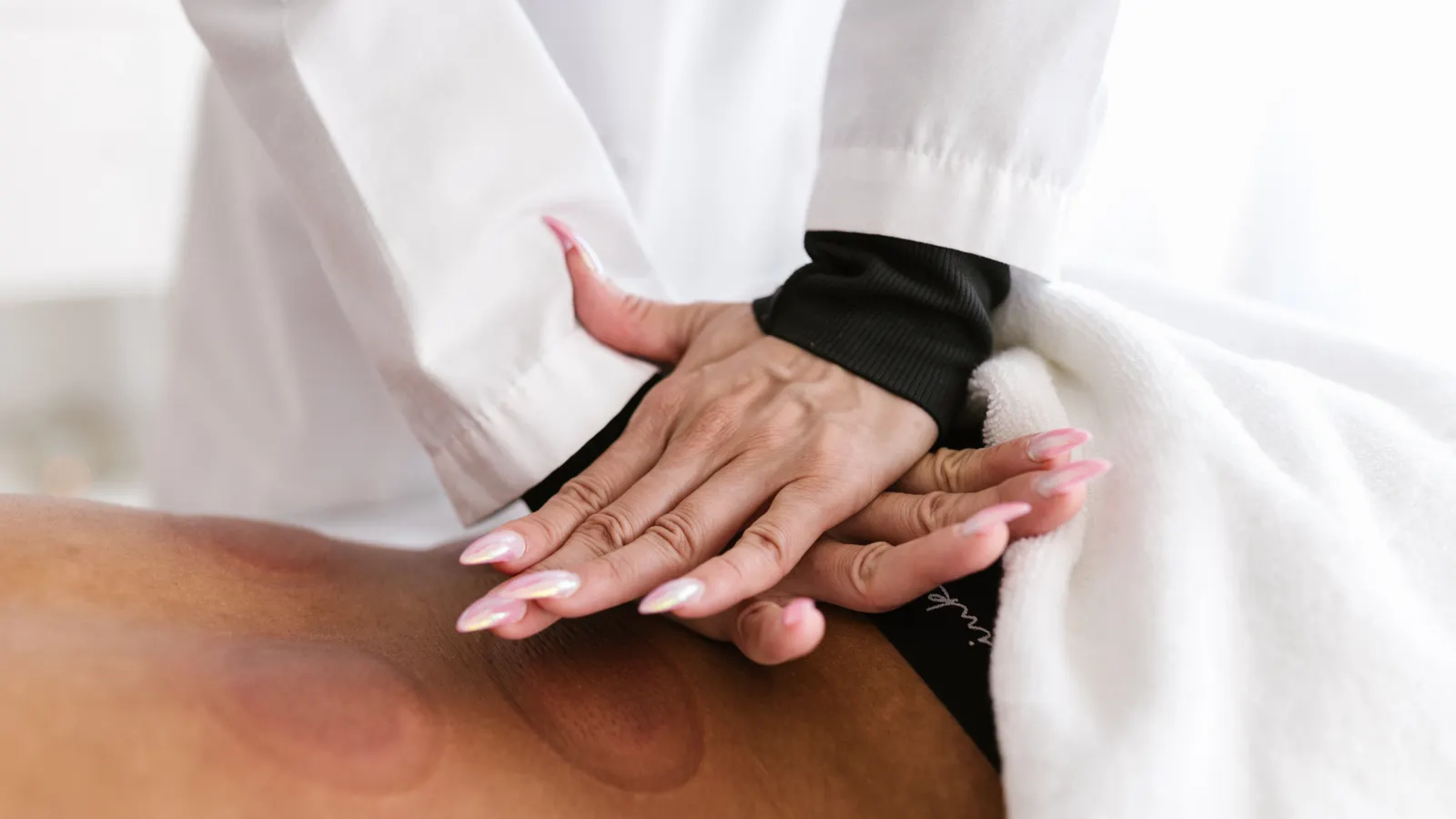
Stationary cupping, where the cup sits in one spot on the back, is typically left in place for several minutes at a time. Moving cupping, sometimes called sliding cupping, involves gliding the cup across an oiled area of skin. Because the suction travels rather than resting, each section of skin is exposed for a much shorter window, even though the overall session may last a similar length of time.
Skin Sensitivity and Reaction
Every patient's skin responds differently to suction. Some people develop a deep mark within a couple of minutes, while others need a longer application to see any color change at all. I watch the skin closely during a session and adjust the timing based on what I see, rather than following a set script for every patient.
Typical Time Ranges for Back Cupping
Dry Cupping
Dry cupping, the most common form used on the back, generally stays in place for 5 to 15 minutes. Shorter times are often used for areas with thinner skin or for patients being cupped for the first time, while longer times may be appropriate for areas of more pronounced Qi and Blood stagnation.
Fire Cupping
Book a time
Pick a time that suits you.
Book a time- Phone: (647) 346-2780
- Email: jasontcm@traditionalhealingcentre.com
- Address: 213 Queensway S. Unit 400, Keswick, Ontario, L4P2A7
Related articles

Fire cupping uses heat to create the vacuum inside the cup before it is placed on the skin. Once positioned, it is generally timed in a similar range to dry cupping. You can read more about how this method works and what the marks look like afterward in Fire Cupping: What It Is, Does It Hurt, and the Marks It Leaves.
Wet (Bleeding) Cupping
Wet cupping, which involves a small skin puncture before the cup is applied, is typically left on for a much shorter interval than dry cupping. This method is less common for general back treatment and is reserved for specific situations under close supervision.
What Happens If Cupping Stays on Too Long
Leaving a cup on for too long can lead to overly dark marks, blistering, or unnecessary discomfort. This is one of the main reasons cupping should be performed by a trained practitioner rather than attempted at home with household jars or improvised tools. A practitioner who understands your pattern knows when to remove the cup, even if that means ending earlier than a generic guideline might suggest.
What to Expect After a Session
Cupping Marks
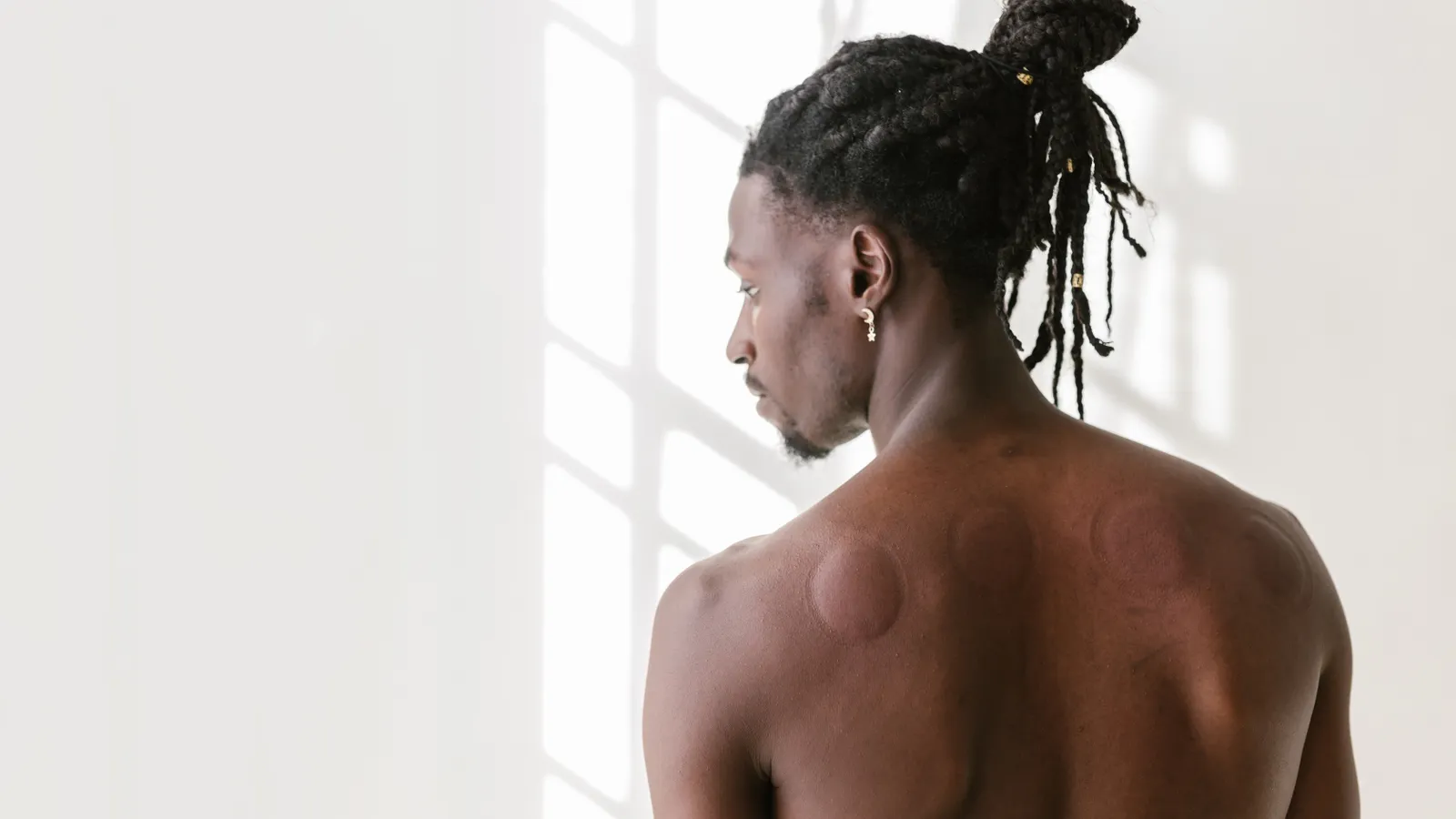
The circular marks left behind after cupping are a normal and expected part of the treatment. They range from light pink to deep purple depending on the degree of Qi and Blood stagnation in that area and how long the cup was in place. These marks typically fade over several days to about a week.
Aftercare Tips
After cupping, it helps to keep the treated area covered and warm, avoid cold exposure, and skip strenuous activity for the rest of the day. Staying hydrated also supports your body as it processes the effects of the treatment.
Why a Trained Practitioner Matters
Because cupping duration depends on your skin, your pattern, and how your body is responding in the moment, this is not a technique suited to guesswork. At Traditional Healing Centre in Keswick, every treatment plan starts from your own Traditional Chinese Medicine diagnosis, never an off-the-shelf protocol. Jason Tarter, R.TCMP, R.Ac, has been in practice for 18 years and is registered with the College of Traditional Chinese Medicine Practitioners and Acupuncturists of Ontario (CTCMPAO), so cupping is applied with attention to your individual presentation rather than a fixed timer. If back pain is part of what brings you in, you may also find it useful to read about Cupping for Neck Pain or learn more about how the technique fits into a broader session in Cupping Method Acupuncture: What It Is and How It Works.
Most patients plan on 5 to 10 treatments to judge progress, since a single session rarely tells the full story of how your body is responding. Many extended health plans cover acupuncture and Chinese medicine services, and receipts are issued by a Registered Acupuncturist (R.Ac) and Registered Traditional Chinese Medicine Practitioner (R.TCMP) for your records.
Ready to book, or have a question?
Book with Traditional Healing CentreIn this series
- Fire Cupping: What It Is, Does It Hurt, and the Marks It Leaves
- How Often Should You Get Cupping?
- Cupping for Neck Pain
- Chinese Cupping Therapy at Home: What to Know First
- Cupping Therapy: How It Works and Who It Helps
- Cupping Side Effects, Bruises and Dangers: What's Normal
- Understanding the Cupping Procedure: What to Expect
- Facial Cupping Therapy: What It Is and How It Works
- Flame Cupping: How It Works and What to Expect
- Cupping Therapy Chinese Medicine: What to Expect
- Back Pain Cupping Therapy: What to Expect and How It Helps
- Cupping Placement Chart: What It Shows and Why It Varies
- Massage Cupping Therapy Near Me: What to Expect
- Chinese Cupping Near Me: What to Know Before You Book
- How Often Should You Do Cupping? A Practical Guide
- Cupping Therapy for Legs: Benefits and What to Expect
- Athletes Cupping Therapy: What It Is and How It Helps
- Wet Cupping Benefits: What the Research Really Shows
- Cupping Therapy Origin: A Look at Its History and Use
- Chinese Cupping Benefits: What This Therapy Can Do for You
- Chinese Cupping Massage: Benefits, Process, and What to Expect
- Where to Place Cups for Cupping: A Regional Guide
- Cupping Chart and Meaning: What the Marks Tell You
- Is It Safe to Do Cupping on Neck Muscles?
- Cupping Therapy Video: What You'll See Before a Visit
- Chinese Fire Cupping Near Me: What to Know Before You Book
- Benefits of Ventosa Massage Cupping Therapy for Pain and Tension
- Fire Cupping vs Dry Cupping: What's the Real Difference?
- Chinese Cupping Weight Loss: What Traditional Chinese Medicine Says
- Does Cupping Therapy Work for Sciatica? A TCM Perspective
- Chinese Cupping on Feet: What It Does and What to Expect
- Fire Cupping Back Treatment: What to Expect and Why It Helps
- How Long to Leave Cupping on Back: A Safety Guide