
In short
Cupping therapy origin traces back thousands of years to ancient Chinese, Egyptian, and Middle Eastern medicine, where heated cups were used to draw blood and energy to the skin's surface. Traditional Chinese Medicine later refined the practice, using it to move Qi and Blood and relieve stagnation. Today, cupping remains part of TCM treatment plans for pain and muscle tension.
Understanding the cupping therapy origin helps explain why this technique still appears in clinics today, from sports recovery rooms to acupuncture practices. The method has traveled across centuries and cultures, yet its core purpose has stayed remarkably consistent: drawing stagnant Blood and Qi to the surface of the skin to relieve pain and restore balance in the body.
In this article
Ancient Roots of Cupping
Historical records suggest cupping was practiced independently in several ancient civilizations. Egyptian medical texts dating back thousands of years describe the use of cupping for drawing out illness. Ancient Greek physicians, including Hippocrates, also referenced cupping as a treatment for internal and external conditions. In China, cupping became woven into the broader framework of Traditional Chinese Medicine, where it was used alongside acupuncture and herbal formulas to address pain, respiratory conditions, and digestive complaints.
Early Tools and Techniques
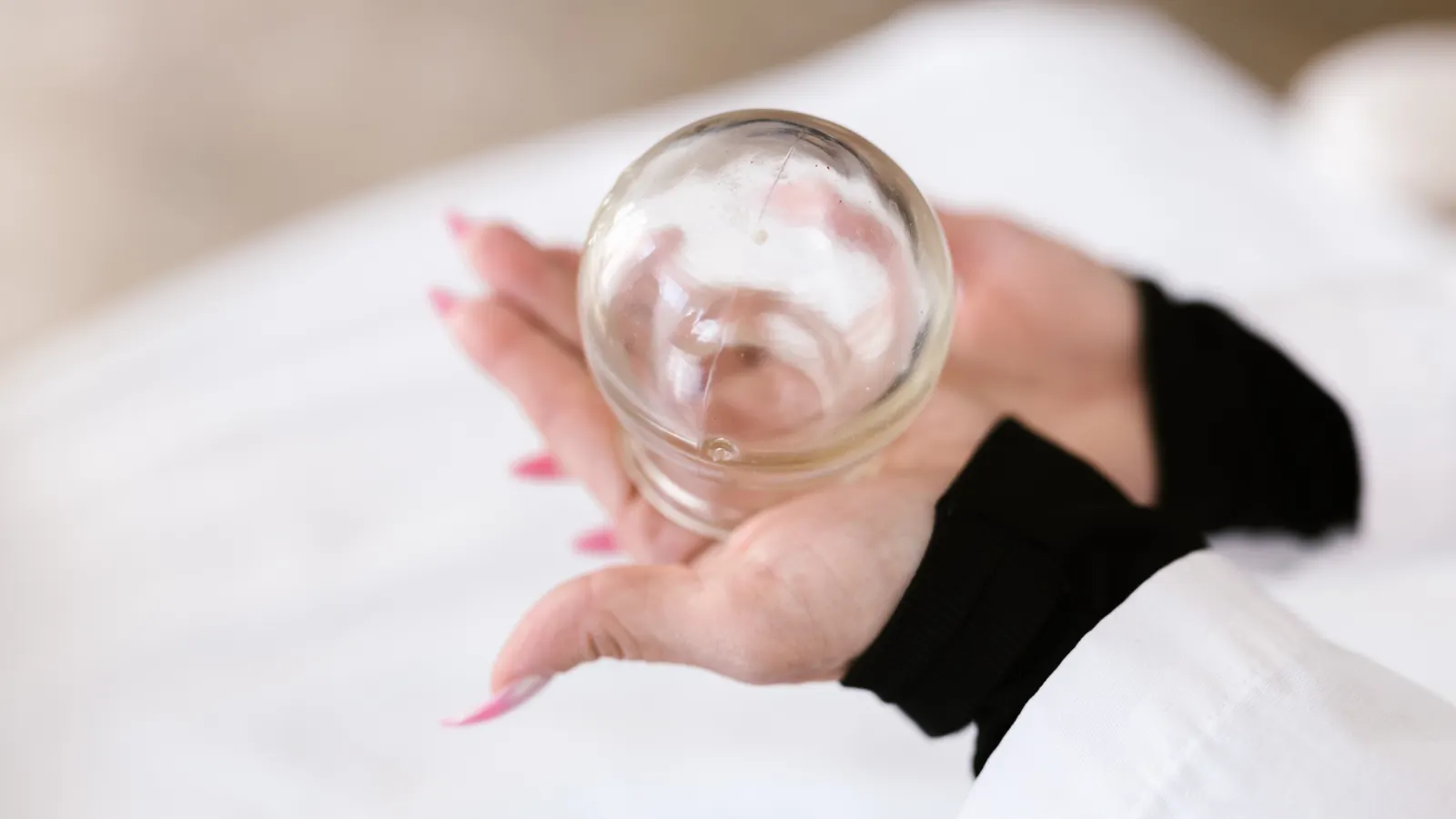
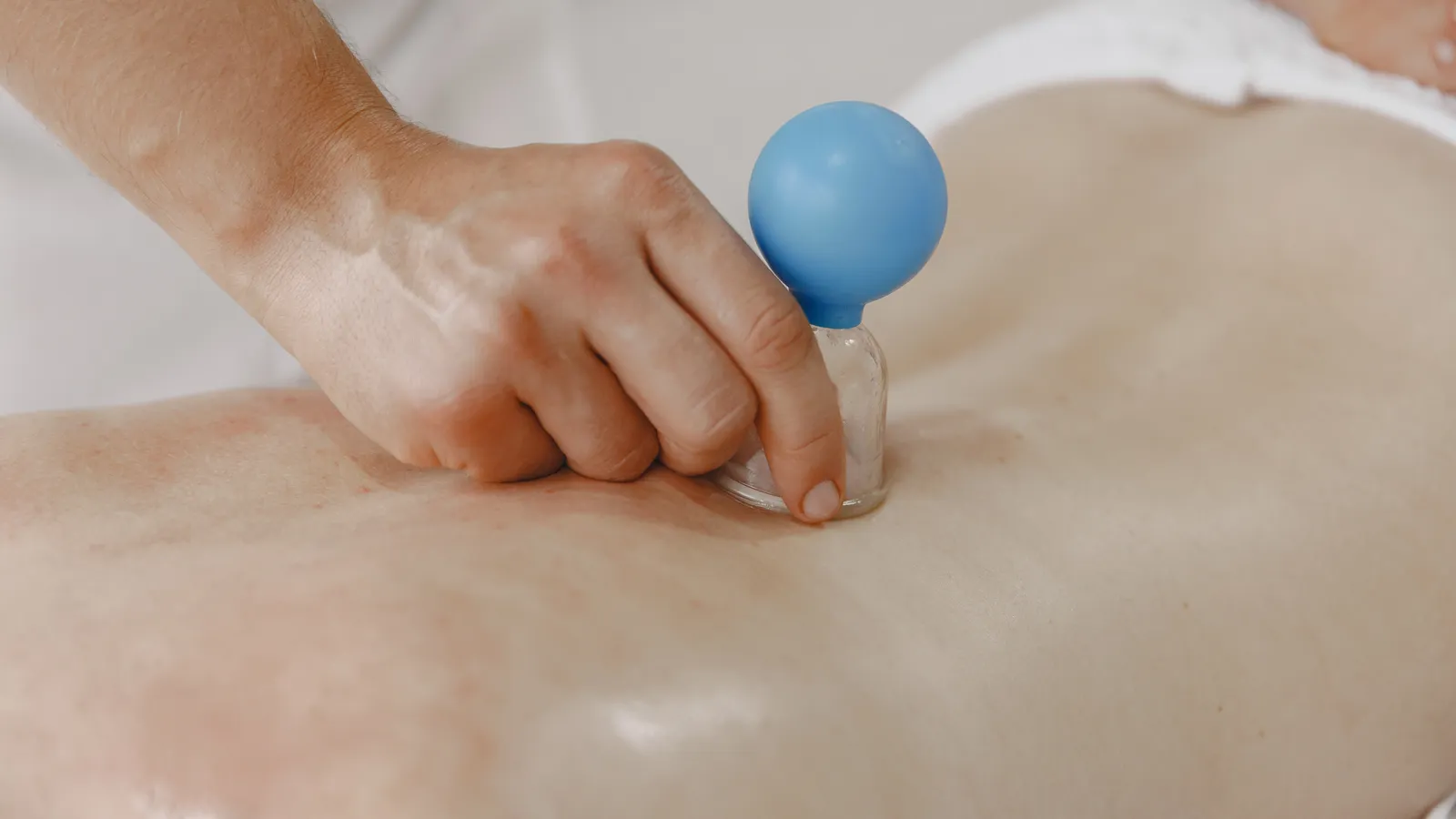
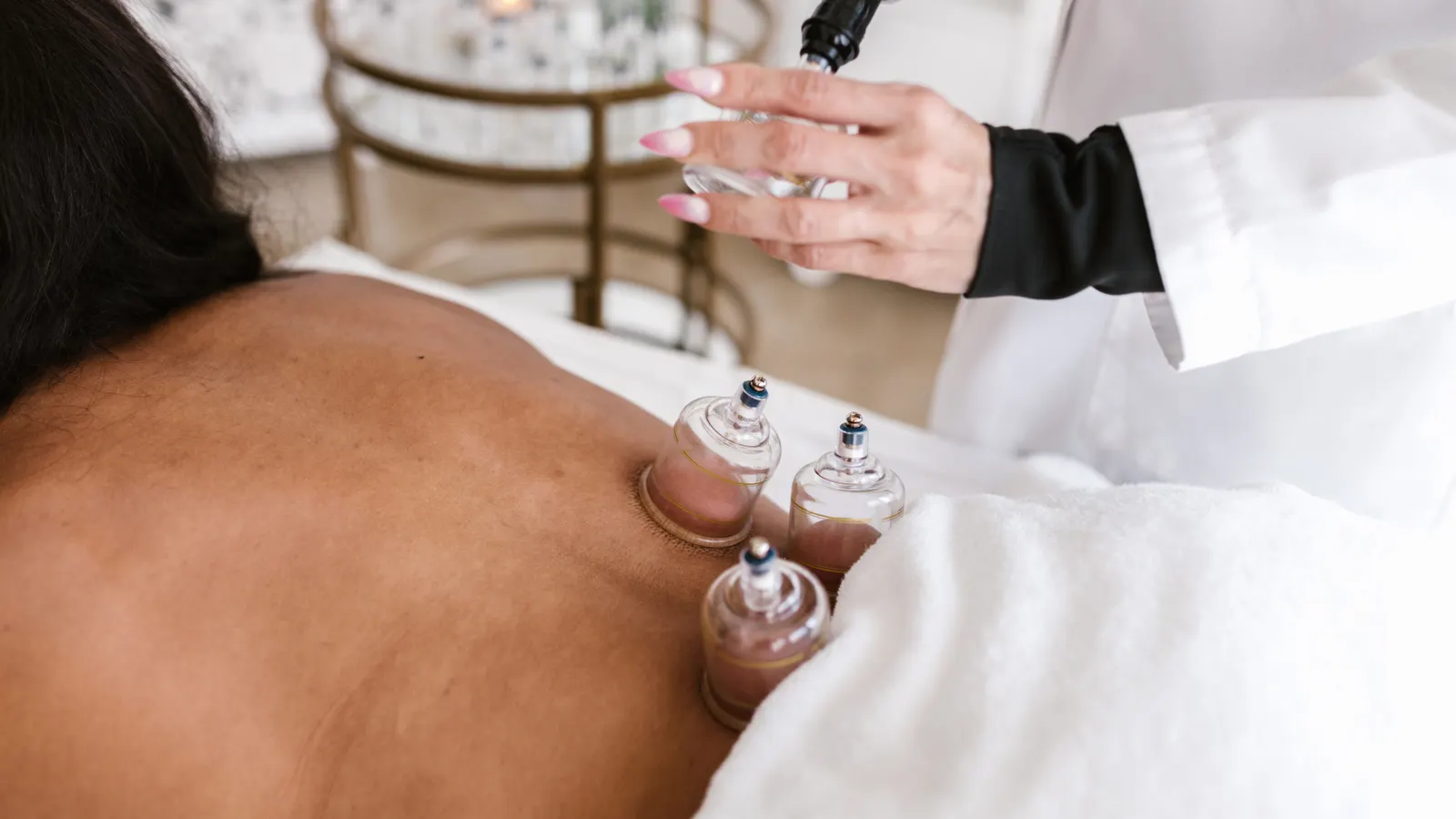
The earliest cups were not glass or silicone, as they often are now. Practitioners used animal horns, bamboo, or clay vessels. Heat was applied inside the cup, usually with a flame, to create suction once placed against the skin. This suction pulled the skin and underlying tissue upward, encouraging circulation and drawing Qi and Blood to the area. As materials advanced, glass cups became more common, offering practitioners a clearer view of the skin's response during treatment.
Cupping Within Traditional Chinese Medicine
In Traditional Chinese Medicine, cupping is understood through the lens of Qi and Blood stagnation rather than circulation in the Western biomedical sense. When Qi and Blood become stagnant, pain and tension can follow. Cupping is one tool used to move that stagnation, often paired with acupuncture and tailored herbal formulas within a broader course of treatment.
How the Pattern Guides the Approach
Book a time
Pick a time that suits you.
Book a time- Phone: (647) 346-2780
- Email: jasontcm@traditionalhealingcentre.com
- Address: 213 Queensway S. Unit 400, Keswick, Ontario, L4P2A7
Related articles
Every treatment in Traditional Chinese Medicine starts with identifying the patient's pattern, not simply matching symptoms to a generic protocol. A practitioner will ask detailed questions, examine the tongue, and take the pulse before deciding whether cupping, acupuncture, Tuina massage, or herbal formulas are appropriate for that particular pattern. This is part of what makes Traditional Chinese Medicine a personalized system rather than a one-size-fits-all approach.
Cupping Therapy Through the Centuries
As trade routes expanded, knowledge of cupping spread across Asia, the Middle East, and eventually into Europe. Each region adapted the practice to its own medical traditions. In the Middle East, a form of cupping called hijama became part of traditional healing practices. In China, cupping continued to develop alongside the broader theory of channels and points used in acupuncture, eventually becoming a recognized complement to needle-based treatment.
Modern Revival and Visibility
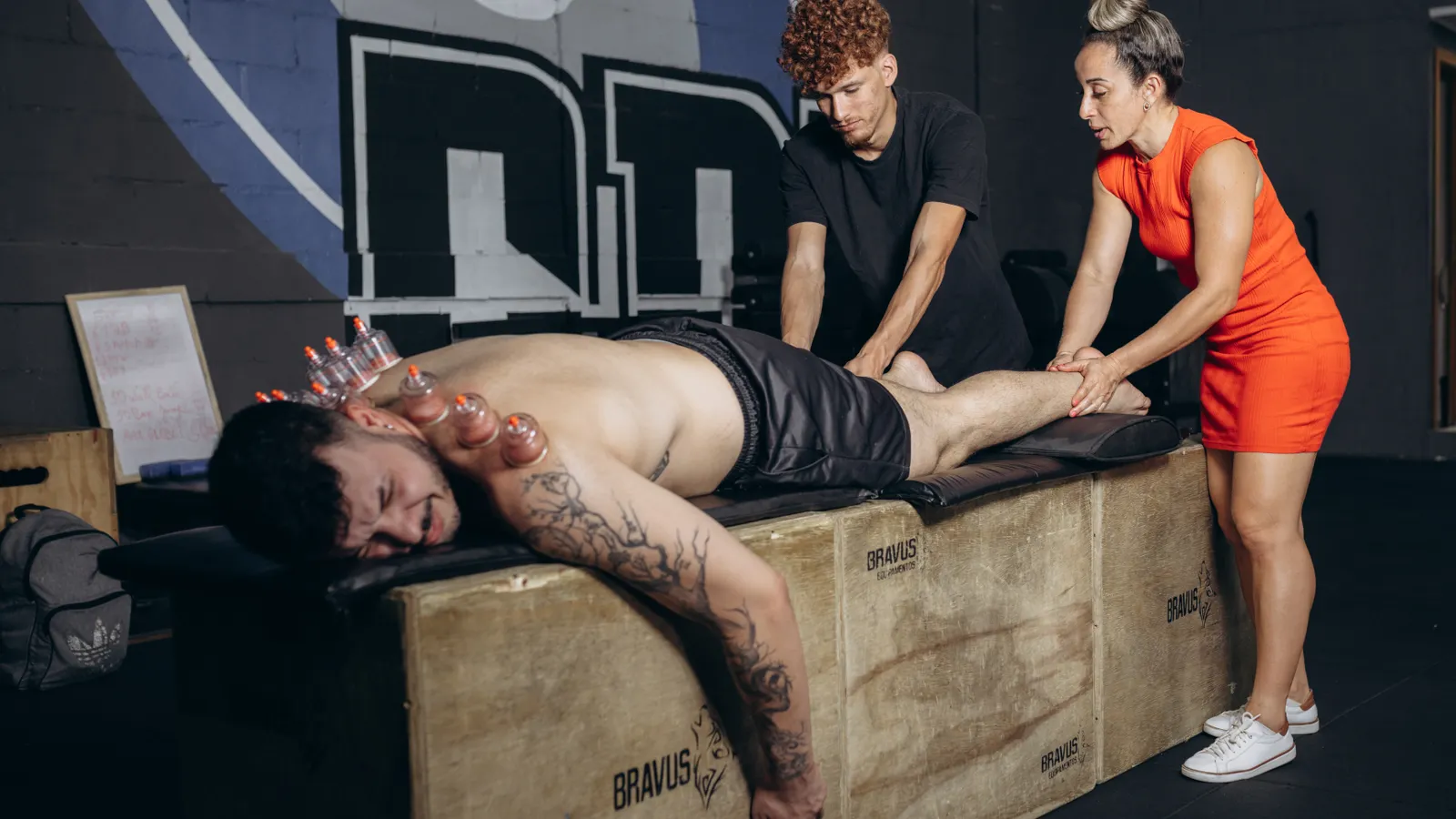
Cupping saw renewed public attention in recent decades, partly due to visible circular marks left on the skin of some well-known athletes. This visibility sparked curiosity about a technique that had, in fact, been practiced continuously for centuries. Today, cupping appears in a range of settings, including wellness spas, physiotherapy clinics, and Traditional Chinese Medicine practices, each applying it with slightly different techniques and goals.
Why Cupping Still Matters Today
Despite its ancient origin, cupping remains relevant because the patterns it addresses, namely Qi and Blood stagnation, continue to show up as muscle tension, chronic pain, and restricted movement. Readers dealing with back pain, sciatica, or tight shoulders may find cupping included as part of a broader treatment plan. For a closer look at how this applies to a common problem area, see Cupping for Neck Pain.
Cupping Massage and Facial Applications
Cupping has also expanded beyond muscle and joint work. Combined with massage techniques, it can address broader tension patterns, as explained in Cupping Therapy Massage: What It Is and How It Works. A gentler form has also been adapted for cosmetic purposes; readers curious about this application can read Facial Cupping Therapy: What It Is and How It Works.
Where Traditional Healing Centre Fits In
At Traditional Healing Centre in Keswick, Ontario, Chinese Cupping is offered as part of a treatment plan built from each patient's own Traditional Chinese Medicine diagnosis, not an off-the-shelf protocol. Jason Tarter, R.TCMP, R.Ac, has been in practice for 18 years and is registered with the College of Traditional Chinese Medicine Practitioners and Acupuncturists of Ontario (CTCMPAO). Cupping may be combined with acupuncture, Tuina massage, or a custom herbal formula, depending on the pattern identified during the visit. Most patients plan on 5–10 treatments to judge progress, and receipts are issued by a Registered Acupuncturist and Registered Traditional Chinese Medicine Practitioner, which many extended health plans accept for reimbursement.
A Practice Rooted in History, Still in Use Today
The cupping therapy origin reflects a long history of practitioners across cultures reaching for the same basic idea: that drawing stagnation to the surface of the body can relieve pain and restore function. Whether through ancient horn cups or modern silicone versions, the underlying goal has changed little. What has changed is the context in which cupping is applied, now often alongside acupuncture, herbal formulas, and other elements of a personalized Traditional Chinese Medicine treatment plan.
Ready to book, or have a question?
Book with Traditional Healing CentreIn this series
- Fire Cupping: What It Is, Does It Hurt, and the Marks It Leaves
- How Often Should You Get Cupping?
- Cupping for Neck Pain
- Chinese Cupping Therapy at Home: What to Know First
- Cupping Therapy: How It Works and Who It Helps
- Cupping Side Effects, Bruises and Dangers: What's Normal
- Understanding the Cupping Procedure: What to Expect
- Facial Cupping Therapy: What It Is and How It Works
- Flame Cupping: How It Works and What to Expect
- Cupping Therapy Chinese Medicine: What to Expect
- Back Pain Cupping Therapy: What to Expect and How It Helps
- Cupping Placement Chart: What It Shows and Why It Varies
- Massage Cupping Therapy Near Me: What to Expect
- Chinese Cupping Near Me: What to Know Before You Book
- How Often Should You Do Cupping? A Practical Guide
- Cupping Therapy for Legs: Benefits and What to Expect
- Athletes Cupping Therapy: What It Is and How It Helps
- Wet Cupping Benefits: What the Research Really Shows
- Chinese Cupping Benefits: What This Therapy Can Do for You
- Chinese Cupping Massage: Benefits, Process, and What to Expect
- Where to Place Cups for Cupping: A Regional Guide
- Cupping Chart and Meaning: What the Marks Tell You
- Is It Safe to Do Cupping on Neck Muscles?
- Cupping Therapy Video: What You'll See Before a Visit
- Chinese Fire Cupping Near Me: What to Know Before You Book
- Benefits of Ventosa Massage Cupping Therapy for Pain and Tension
- Fire Cupping vs Dry Cupping: What's the Real Difference?
- Chinese Cupping Weight Loss: What Traditional Chinese Medicine Says
- Does Cupping Therapy Work for Sciatica? A TCM Perspective
- How Long to Leave Cupping on Back: A Safety Guide
- Chinese Cupping on Feet: What It Does and What to Expect
- Fire Cupping Back Treatment: What to Expect and Why It Helps
- Cupping Therapy Origin: A Look at Its History and Use